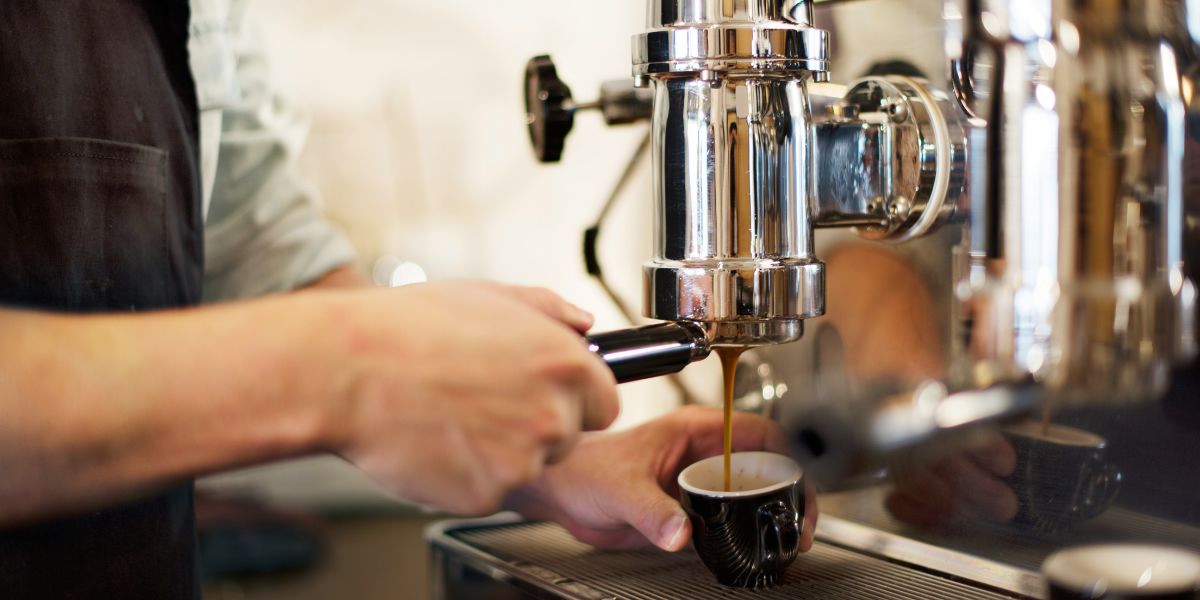

As restaurants, hotels, and coffee shops increasingly depend on sophisticated coffee equipment, companies like Espresso Mio are addressing a critical operational challenge: keeping commercial espresso machines running reliably.
In the competitive hospitality industry, a commercial espresso machine is more than a piece of equipment. For coffee shops, restaurants, hotels, and corporate offices, it represents an essential revenue-generating asset that customers and employees depend on every day.
Yet while businesses invest thousands of dollars in advanced espresso technology, the importance of professional maintenance and timely repair is frequently overlooked.
A machine that stops working during the morning rush can disrupt service, frustrate customers, and create unexpected financial losses. For high-volume coffee operations, even a relatively short equipment failure can have significant consequences.
As commercial coffee systems become increasingly sophisticated, specialized espresso machine repair services are emerging as an important component of business continuity.
Espresso Mio, a commercial coffee equipment company specializing in super-automatic espresso machines, equipment maintenance, restoration, and repair, is among the businesses focused on helping hospitality operators address these challenges.
Led by CEO Vinnie Lisi, Espresso Mio works with commercial coffee operators seeking dependable equipment performance and technical support, including businesses utilizing advanced Thermoplan espresso systems.
The Financial Impact of Espresso Machine Downtime
Commercial espresso machines are often among the most heavily utilized pieces of equipment in a coffee-focused business.
Unlike residential machines, commercial systems must maintain consistent brewing temperatures, pressure, and extraction quality while processing substantial beverage volumes throughout the day.
When these systems fail, the financial consequences can extend beyond the immediate cost of repair.
Consider a coffee shop selling 250 espresso-based beverages daily at an average price of $6. That represents $1,500 in daily beverage revenue. If the primary espresso machine becomes unavailable for several hours, a substantial portion of that revenue may be jeopardized, depending on the timing of the failure and the availability of backup equipment.
Additional operational costs may include employee downtime, wasted ingredients, customer refunds, and the potential loss of repeat business.
For restaurants and hotels, equipment failures can also affect the broader guest experience.
A hotel unable to provide specialty coffee during breakfast service or a restaurant experiencing espresso equipment problems during a busy brunch can face customer dissatisfaction unrelated to the quality of its food or hospitality.
The challenge becomes even greater for businesses operating multiple locations, where equipment reliability directly influences consistency across the organization.
Why Commercial Espresso Machines Require Specialized Repair
Not all espresso machines are created equal, and not every equipment technician has the expertise necessary to diagnose sophisticated commercial coffee systems.
Modern commercial espresso machines incorporate a combination of mechanical, electrical, hydraulic, and electronic components.
Depending on the equipment, these may include integrated grinders, brewing units, pumps, boilers, temperature sensors, programmable controls, automated milk systems, and digital diagnostic technology.
A failure in one component can affect the performance of the entire system.
For example, inconsistent water pressure may result from a malfunctioning pump, a blocked water line, a failing valve, or an issue with the building’s water supply.
Similarly, temperature fluctuations may be associated with heating elements, sensors, control systems, or accumulated mineral deposits.
Without an accurate diagnosis, businesses risk spending money on unnecessary parts or experiencing recurring failures.
Specialized commercial espresso machine repair technicians are trained to evaluate these interconnected systems and identify the underlying cause of equipment problems.
This technical knowledge becomes particularly important as more businesses adopt super-automatic espresso machines.
The Growing Importance of Super-Automatic Espresso Machine Repair
Super-automatic espresso machines have transformed commercial coffee preparation by automating several processes traditionally performed by trained baristas.
Depending on the model, these systems can grind coffee beans, dose grounds, brew espresso, prepare milk beverages, and manage cleaning cycles with limited manual intervention.
For restaurants, hotels, offices, and convenience stores, the technology offers potential advantages in consistency, speed, and labor efficiency.
However, increased automation also introduces additional technical complexity.
Integrated brewing systems, electronic controls, sensors, and automated milk components require knowledgeable maintenance and repair.
One prominent manufacturer in this category is Thermoplan, the Swiss commercial coffee equipment company known for its longstanding relationship with Starbucks.
Thermoplan’s equipment demonstrates how sophisticated super-automatic espresso technology has become an integral part of large-scale commercial coffee operations.
Espresso Mio’s experience with Thermoplan equipment and other commercial espresso systems reflects the growing demand for specialized technical knowledge in this segment.
As businesses invest in advanced brewing technology, selecting a qualified service provider becomes an important part of protecting that investment.
Five Warning Signs a Commercial Espresso Machine Needs Professional Service
Commercial espresso machines often exhibit warning signs before a major breakdown occurs. Recognizing these symptoms can help operators address problems before they interrupt business operations.
1. Inconsistent espresso quality
Changes in extraction time, beverage temperature, or flavor may indicate issues with grinders, brewing components, pressure regulation, or calibration.
2. Unusual noises during operation
Grinding, rattling, or irregular pump sounds can signal mechanical wear, obstructions, or failing internal components.
3. Water leaks or pressure fluctuations
Leaks, unexpected pressure changes, and inconsistent water flow may indicate deteriorating seals, damaged hoses, pump problems, or valve failures.
4. Repeated error messages
Digital alerts on modern super-automatic machines may identify problems involving sensors, brewing mechanisms, water systems, or automated cleaning processes.
5. Increased cleaning or maintenance problems
Frequent blockages, persistent residue, scale buildup, or recurring milk-system issues can suggest that routine maintenance is no longer sufficient.
While some operational issues can be addressed through manufacturer-approved cleaning procedures, mechanical and electrical repairs should be performed by qualified technicians.
Emergency Espresso Machine Repair: Why Response Time Matters
For businesses that depend on espresso service, equipment failures rarely occur at convenient times.
A machine may stop functioning just before the morning rush, during weekend brunch, or in the middle of a high-volume event.
In these situations, prompt access to qualified repair assistance can be critical.
Commercial espresso machine repair providers offering emergency support can help operators identify the nature of a failure and determine the appropriate next steps.
However, effective emergency service involves more than arriving quickly.
A technician must understand the equipment, diagnose the issue accurately, and determine whether the machine can be safely repaired on-site or requires additional parts or service.
Businesses should evaluate repair providers based on technical expertise, familiarity with their specific equipment, service availability, and communication throughout the repair process.
Espresso Mio offers commercial espresso equipment repair and maintenance support, including solutions for businesses seeking to minimize unexpected downtime.
For operators in markets such as New Jersey and New York City, where coffee service is a competitive part of the hospitality experience, dependable technical support can play an important role in maintaining daily operations.
Preventative Maintenance May Be the Most Valuable Investment
Emergency repairs are sometimes unavoidable, but many commercial espresso machine problems develop gradually.
Mineral accumulation, worn seals, neglected cleaning procedures, inconsistent water filtration, and aging mechanical components can all contribute to equipment failure.
Preventative maintenance programs are designed to identify these issues before they result in significant operational disruptions.
A comprehensive service program may include inspection of pumps and valves, testing brewing temperatures, evaluating water filtration, cleaning internal components, reviewing diagnostic alerts, and replacing worn parts when necessary.
For super-automatic espresso machines, technicians may also inspect integrated grinders, automated brewing assemblies, and milk delivery systems.
Preventative maintenance offers several potential benefits, including improved beverage consistency, fewer unexpected breakdowns, longer equipment life, and more predictable repair expenses.
The appropriate maintenance schedule depends on the machine’s manufacturer recommendations, usage volume, water quality, and operating environment.
High-volume operations may require more frequent attention than lower-volume locations.
Repair or Replace? Understanding the Total Cost of Ownership
When commercial espresso equipment begins experiencing recurring problems, operators face an important financial decision: continue repairing the machine or invest in replacement equipment.
The answer depends on several factors, including the machine’s age, repair history, parts availability, overall condition, and importance to daily operations.
A relatively minor repair may be economically justified when the machine remains otherwise reliable.
However, repeated failures involving expensive components can eventually make replacement more attractive.
Businesses should consider the total cost of ownership rather than focusing exclusively on the original purchase price.
This includes maintenance expenses, replacement parts, energy consumption, potential downtime, and expected equipment lifespan.
In certain circumstances, professional equipment restoration may offer another option.
Espresso Mio provides commercial espresso equipment restoration services, giving operators an additional avenue to evaluate when maintaining or replacing existing machines.
A qualified technician can help assess whether repairing, restoring, or replacing equipment makes the most operational and financial sense.
The Future of Commercial Coffee Equipment Service
As commercial coffee technology continues to evolve, the role of specialized repair and maintenance providers is likely to become increasingly important.
Automation has made sophisticated espresso preparation accessible to a wider range of businesses, but it has also increased the technical demands associated with maintaining equipment.
For hospitality operators, dependable coffee service requires more than purchasing a premium machine.
It requires an ongoing commitment to proper maintenance, employee training, water quality management, and access to experienced technicians when problems arise.
Companies such as Espresso Mio operate within this increasingly specialized service environment, helping commercial coffee businesses address the technical requirements of modern espresso equipment.
Ultimately, the value of professional espresso machine repair extends beyond fixing a malfunctioning component.
It is about protecting revenue, maintaining customer expectations, and supporting the long-term reliability of an essential business asset.
For restaurants, coffee shops, hotels, and corporate facilities, that reliability can make the difference between a seamless customer experience and an avoidable operational disruption.
About Espresso Mio
Espresso Mio is a commercial espresso equipment company specializing in super-automatic espresso machines, commercial coffee equipment repair, preventative maintenance, and equipment restoration. Led by CEO Vinnie Lisi, the company provides technical support and equipment solutions for commercial coffee operators, including businesses using Thermoplan espresso technology.
For more information about commercial espresso machine repair, maintenance, and equipment solutions, visit www.EspressoMio.co.