
The call goes to voicemail. The client leaves a message, waits a week, and calls again. Somewhere in the office, the file holding that client’s injury claim sits exactly where it sat last month. For many people who hire a lawyer, the hardest part of a case can be the silence between updates, not the legal question at the center of it.
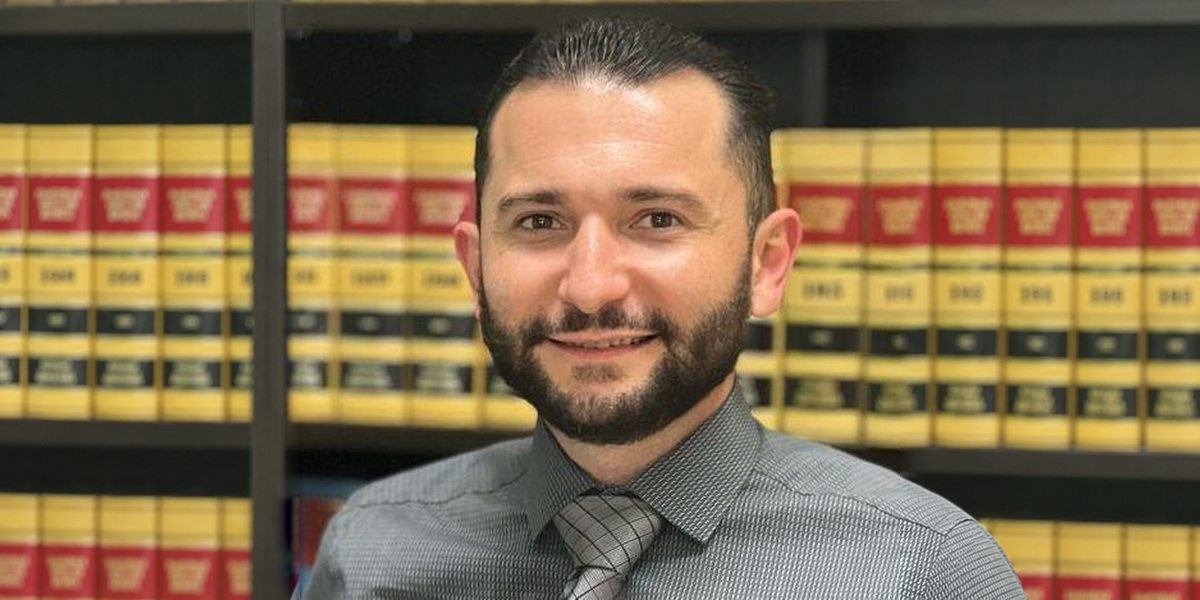
George Mkrtchyan, Esq., Managing Attorney of Court House Lawyers, a Glendale law firm handling California lemon law and personal injury cases, argues that whether a client can reach the attorney on their case is decided by how a firm is built, long before any single phone call is returned. He launched the firm in August of 2025, and organized it around one structural choice: every client works directly with him.
The Century City Files That Shaped a Glendale Law Firm
Before opening his own practice, Mkrtchyan worked at a larger personal injury firm in Century City. What stayed with him was not a verdict or a settlement. It was the untouched files and the clients who couldn’t reach their own attorney.
“At high-volume firms, a file with a small settlement offer can end up waiting behind larger ones,” Mkrtchyan recalls. “I built this firm to prioritize every client and every case; big or small.”.
That experience became the design brief for the Glendale office on East Glenoaks Boulevard. The firm’s attorney profile states the standard in three parts: day-one attention, week-one momentum and direct attorney access. The phrasing is plain on purpose. Each part describes something a client can check for themselves, rather than a feeling the firm hopes to create.

Communication Is a Professional Duty Before It Is a Selling Point
California already sets a floor for how lawyers talk to the people they represent. Under the State Bar’s Rule 1.4 on communication with clients, a lawyer must keep a client reasonably informed about significant developments and promptly comply with reasonable requests for information. The rule describes an outcome. It does not say how a firm should be organized to deliver it.
That gap is where Mkrtchyan’s view begins. In a high-volume practice, a client’s question can pass through several people before it reaches anyone who knows the file. Each handoff may be reasonable on its own. Together they can turn a simple question into a week of waiting. His argument is that a firm can meet the letter of the duty and still leave a client feeling unheard, and that the fix is structural rather than a question of individual effort.
The test he applies is simple. When a client calls with a question about their case, how many people stand between that question and the attorney who can answer it?
What Direct Attorney Access Looks Like Day to Day
At the Glendale firm, the answer is meant to be as close to zero as a working practice allows. Mkrtchyan works directly on each case, with work starting the day the firm takes it on and cases prepared as if headed for trial from the outset. A client who wants to know where things stand can ask the attorney handling the file.
“If a client has to get through layers of staff to ask one question about their case, something in the infrastructure has already failed,” Mkrtchyan states. “Most of what clients call about can be answered in a few minutes. It only turns into a week when the question has to jump through hoops.”
The fee structure follows the same logic of removing obstacles. Personal injury cases are handled on contingency. In lemon law cases, California’s Song-Beverly Consumer Warranty Act generally requires the manufacturer to pay a prevailing consumer’s attorney’s fees, so the cost of a lawyer does not have to stand between an owner and a claim. Access, in Mkrtchyan’s framing, covers both the phone line and the price of picking it up.
None of this changes what the law allows in a given case. Outcomes still depend on the facts, the evidence and the other side. What the structure changes is whether the client knows where their case stands while that process plays out.
The Tradeoff Behind a Selective Caseload
Direct access has a cost, and Mkrtchyan does not pretend otherwise. One attorney can only carry so many files with the kind of attention he describes. The firm keeps its caseload selective as a result, which means it does not take on every case that comes through the door. For a small practice, that is a real limit on growth. For the clients already on the docket, it is the reason the model works.
The firm’s name was chosen with the same instinct for clarity. Mkrtchyan wanted something people would remember, simple enough to say once and recall later. The office itself is equally direct about what it is: a Glendale practice focused on two areas of law, run by the attorney who works the cases.
Carrying a heavy load is not new to him. Mkrtchyan worked full-time while attending law school full-time, a schedule that left little room for files to wait.
For the client who used to leave that voicemail, the measure of the change is less abstract than any rule of professional conduct. When the phone rings with a question about the case, the person answering is meant to be the attorney working it.
Disclaimer: The content in this article is provided for general knowledge. It does not constitute legal advice, and readers should seek advice from qualified legal professionals regarding particular cases or situations.