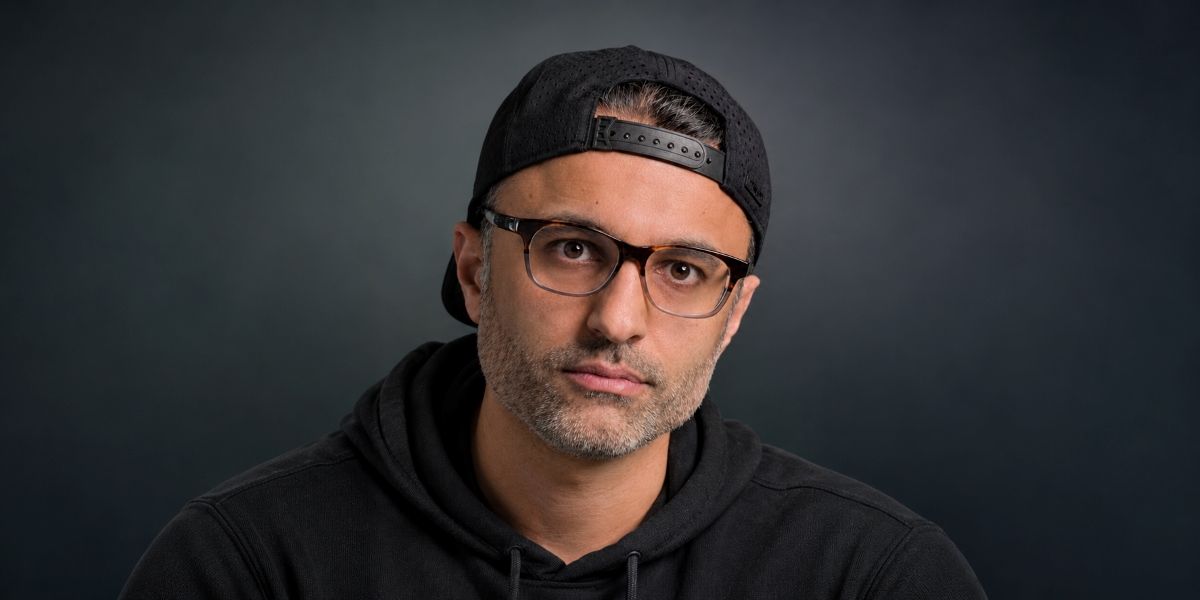
Most professional development advice starts from the same assumption. If something isn’t working, add more. More training, more frameworks, another book on the nightstand, another morning routine borrowed from someone who seems to have it figured out. Cory “Kxng” Charles, a sales and leadership coach and the founder of The SuperHero Mindset, thinks that assumption skips a step, and that the missing step sits at the center of how identity and performance relate to each other.
He has a name for the idea, The HERO Factor™, and it rests on one line: “Identity is the operating system of peak performance.” Skills, habits, strategies and goals all matter in his view, but each one runs on top of something more fundamental, and when the identity underneath is out of step with where a person is trying to go, the gap eventually shows up in how they perform.
His new book, HEROIC’ish, published October 30, builds on that premise. Rather than offering a polished blueprint for becoming fearless, it takes an unfiltered look at self-belief, failure, fear and the stories people collect about themselves over time.
Why Do Talented People Stall When They Know What to Do?
The question that led Cory to this work surfaced over nearly 20 years in sales, leadership, coaching and human performance. Again and again, he watched capable people who understood exactly what they needed to do struggle to do it consistently. The knowledge was there. The follow-through was not. His search for an explanation, centered on the gap between identity and performance, eventually became the foundation of The SuperHero Mindset.
Eventually he came to believe the problem was rarely a shortage of information. “We’re constantly being told to become better leaders, better salespeople, better parents, better partners, better humans,” he says. “So we collect more information. Read another book. Learn another framework.”
At some point, he argues, a different question has to come first. Who do I believe I am? In his framing, the answer quietly shapes the decisions, habits and reactions to pressure that follow it.
How Identity and Performance Shape Each Other
Cory sums up the problem in a single line: “You can’t out-skill a broken identity.” When a sales quarter slips or a leadership role feels heavier than expected, the instinct is to reach for a new tactic. Sometimes that works. Often, though, the more useful question is whether the version of oneself a person is operating from still fits the role, team or goal in front of them.
Identities don’t form in isolation, and he is careful to make that point. He describes them as products of experiences, successes, failures, labels, expectations and relationships. They are also built from stories repeated so many times that they start to feel like facts.
Consider a salesperson who was told early in their career that they weren’t a natural closer, or a manager who has always thought of themselves as the quiet one in the room. Labels like those can linger for years after they stop being accurate. In Cory’s view of identity and performance, that kind of outdated self-image can cap a person’s output no matter how many new skills get layered on top.
Much of his coaching starts there. Working with leaders, sales teams, organizations and high performers, he examines the beliefs underneath how people lead, communicate, sell and respond to pressure. Frameworks he created, including The HERO Factor™, HEROic Leadership and SuperHERO Selling, give structure to those conversations.
Why the “Ish” in HEROIC’ish Matters
The book’s title is deliberately unfinished. Cory has little interest in selling a perfected version of confidence or discipline, and the “ish” is his way of saying so.
“I still get nervous before I speak. I still doubt myself. I still screw things up,” he says. “Being HEROIC isn’t about finally becoming perfect. It’s about choosing to move anyway.”
That admission cuts against much of the self-improvement genre, which tends to sell a finished endpoint. He spent years believing that getting better meant repairing every flaw. Over time, his thinking shifted toward something less tidy, where growth has more to do with owning one’s identity, challenging the stories picked up along the way and deliberately choosing who to become next. That shift is the backbone of the book.

What Are Phone Booth Moments?
A phone booth moment, in Cory’s vocabulary, is a moment that forces a person to confront who they are. The image comes from the superhero comics, where the booth is the place an ordinary identity gets traded for a heroic one. His version is messier.
Some of these moments are chosen. A person might accept a bigger role, start a hard conversation or step onto a stage for the first time. Others arrive uninvited, through a layoff, a loss or a failure that can’t be explained away. Either way, he argues, there are times when the version of someone who walked into the booth simply can’t be the one who walks back out.
Readiness, or the lack of it, ties those moments together. One of the central ideas in his work is that nobody has to feel ready to start becoming who they’re capable of being. Waiting for fear to disappear first is, by his account, just another story worth questioning.
Taking the Identity Conversation to the Stage
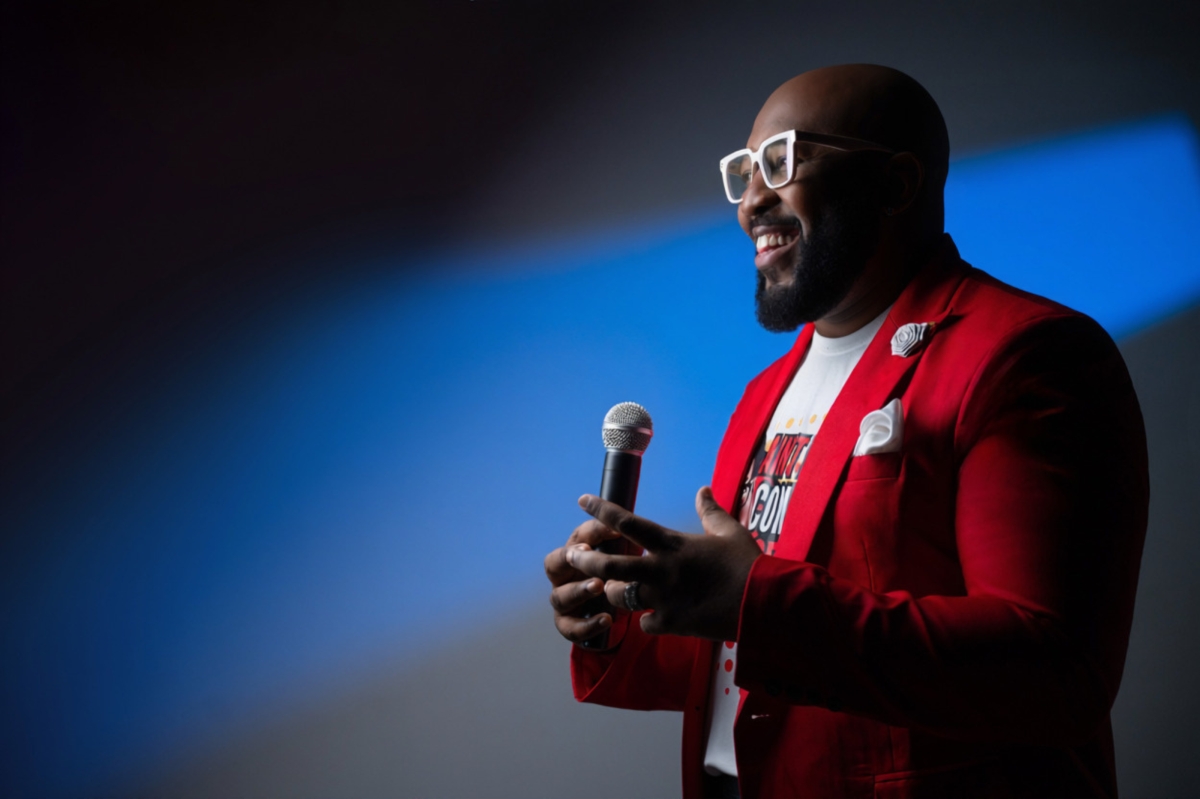
Cory Charles calls himself a Provocational Speaker, a label meant to signal that he aims to challenge audiences rather than simply motivate them, often by pressing them to reexamine the link between identity and performance in their own work. His work has taken him to stages and organizations across the country, including engagements with brands such as NASCAR, Salesforce, Zillow, Cisco, Taylor Morrison and CarMax. He has also delivered a TEDx talk on the internal battle between who people have been and who they’re capable of becoming.
The mission behind The SuperHero Mindset is broad. He hopes to reach one million lives by helping people stop waiting to be rescued and recognize the hero already inside them. Check out Cory’s website for more on his brand new book, HEROIC’ish, available now.
As he likes to put it, no cape required.