
By: Matthew Kayser
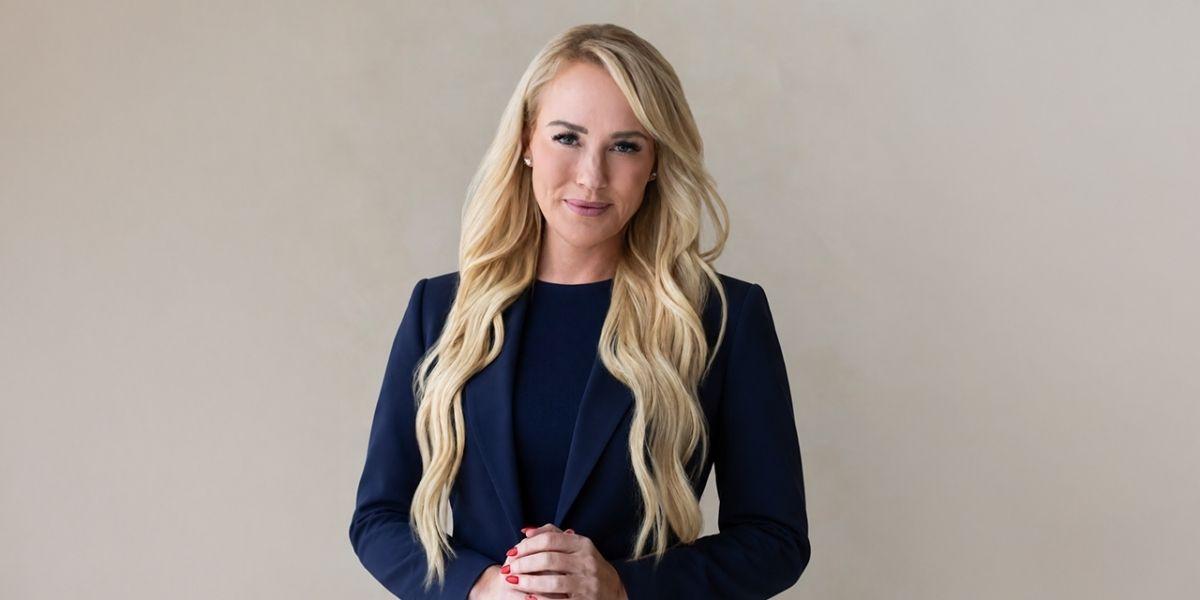
As artificial intelligence transforms marketing and search, Fifth & Cor founder and CEO Robin Dimond explains why authentic leadership, executive thought leadership, and a recognizable personal brand are becoming powerful business advantages.
Artificial intelligence has made it easier than ever for businesses to produce content, automate communications, and maintain a polished digital presence. Yet as companies embrace these technologies, a new challenge is emerging: standing out in a marketplace where nearly everyone has access to the same tools.
For Robin Dimond, founder and CEO of Fifth & Cor, the answer isn’t more automation. It’s bringing the human element back into business.
“AI is giving consumers the ick, especially when it comes to creative,” Dimond says. “Businesses are using the same tools, generating the same content, and wondering why nobody is paying attention.”
Her perspective reflects a broader shift in how businesses establish credibility. As consumers encounter increasingly similar messaging, the experiences, expertise, and personalities of the people behind companies are becoming important differentiators.
For founders and CEOs, this creates an opportunity to transform their personal expertise into a strategic business asset.
Why Founder-Led Marketing Is Changing the Way Brands Build Trust
The traditional approach to corporate branding and marketing has often placed the company at the center of every conversation, while its leadership remained largely behind the scenes. But according to Dimond, consumers are increasingly interested in understanding who is responsible for the businesses they support.
“People connect with people, not logos,” she explains. “And in a world increasingly flooded with AI-generated content, genuine human connection is becoming a luxury.”
This is where founder-led marketing becomes particularly valuable.
Rather than relying exclusively on corporate messaging, founder marketing introduces audiences to the experiences, convictions, and professional perspectives shaping an organization.
Dimond understands that distinction firsthand. Having built a business without outside funding, she recognizes how the challenges of entrepreneurship can reveal more about a company’s values than a polished marketing campaign.
A founder’s story can help potential customers understand not only what a business offers, but why it exists and what its leadership stands for.
“Your story isn’t separate from your business strategy,” Dimond says. “It can be one of your strongest competitive advantages.”
CEO Personal Branding and Marketing Is About Authority, Not Celebrity
Despite the growing importance of executive visibility, many business leaders remain uncomfortable with becoming the public face of their organizations.
Dimond argues that effective CEO personal branding and marketing does not require executives to become social media personalities or share every aspect of their private lives.
Instead, it involves establishing a credible, recognizable professional identity grounded in genuine expertise.
“Executive visibility doesn’t mean becoming an influencer or sharing every detail of your personal life,” she explains. “It means strategically positioning yourself as an authority in your industry.”
That distinction is essential.
Some executives communicate most effectively through keynote presentations and industry conferences. Others excel in interviews, contributed articles, podcasts, or insightful professional commentary.
The strongest executive branding and marketing strategies recognize those differences rather than forcing every leader into the same content formula.
At Fifth & Cor, Dimond approaches executive positioning by first understanding a leader’s professional experiences, communication style, business objectives, and intended audience.
The result is a personalized strategy designed to make leadership expertise accessible to the people who matter most.
“You don’t have to become a celebrity CEO,” she says. “But you should become a CEO worth knowing.”
Executive Thought Leadership Requires More Than Content
As businesses invest more heavily in digital visibility, the term thought leadership has become increasingly common. But Dimond believes the distinction between publishing content and demonstrating genuine authority is often misunderstood.
“Posting consistently doesn’t make you a thought leader. Having something worth saying does.”
Effective executive thought leadership requires original perspectives, firsthand knowledge, and the willingness to challenge conventional industry thinking.
For example, while much of the marketing industry celebrates AI’s ability to produce content faster and at lower costs, Dimond questions whether greater output actually creates greater value.
Producing more material, she argues, accomplishes little if businesses are simply contributing to an already crowded digital environment.
This philosophy shapes Fifth & Cor’s approach to executive communications, connecting strategic public relations, earned media, ghostwriting, original content, and speaking opportunities to meaningful business objectives.
Rather than measuring success exclusively through publishing frequency or social engagement, Dimond emphasizes whether an executive’s ideas are influencing relevant conversations.
The objective is not simply to make leaders more visible. It is to establish why their perspectives deserve attention.
How SEO, AEO, and GEO Are Reshaping Executive Visibility
The rise of AI-powered search introduces another dimension to executive branding and marketing.
Consumers and business decision-makers are increasingly using AI platforms to research companies, compare services, and identify industry experts. This means an executive’s reputation can be shaped by information appearing across multiple digital channels, not just a corporate website.
For Dimond, this makes an integrated approach to SEO, AEO, and GEO increasingly important.
Search engine optimization (SEO) helps make executive expertise discoverable through traditional search engines. Answer engine optimization (AEO) focuses on presenting information that clearly addresses relevant questions. Generative engine optimization (GEO) aims to improve how content is understood and potentially referenced by AI-powered search platforms.
Together, these disciplines support a broader AI search optimization strategy.
At Fifth & Cor, executive thought leadership is connected with earned media, original storytelling, and digital discoverability to establish consistent, credible information about business leaders.
An executive interview, for example, can serve as an independent reference, strengthen a leader’s professional digital footprint, and provide material for future content and media opportunities.
However, Dimond is careful to distinguish strategic positioning from ensured results.
“No strategy can warrant an AI recommendation,” she acknowledges.
Instead, effective generative engine optimization focuses on building a credible body of expertise that audiences and emerging search technologies can discover.
As search behavior evolves, leaders who have already established an authoritative digital presence may be better positioned than those beginning from scratch.
Turning Executive Visibility Into Measurable Business Growth
Although executive branding and marketing is frequently associated with reputation management, Dimond believes its greatest potential lies in business development.
A respected, recognizable CEO can help establish confidence among prospective investors, attract strategic partnerships, strengthen recruitment efforts, and create new commercial opportunities.
But those outcomes require more than impressions and follower counts.
“Executive visibility isn’t just a branding and marketing exercise. It’s a business development tool,” Dimond says.
Through Fifth & Cor, she connects founder marketing and executive communications with measurable objectives, including qualified inquiries, referral sources, search discoverability, speaking invitations, and partnership conversations.
An interview or contributed article should not exist as an isolated publicity achievement. Ideally, it becomes part of a larger strategy that reinforces authority and supports long-term business growth.
“A million impressions mean very little if they don’t move your business forward,” she explains.
The Future of Branding and Marketing Will Belong to Credible Leaders
Looking ahead, Dimond believes leadership credibility will become an increasingly important competitive advantage as artificial intelligence changes how businesses are researched and evaluated.
The executives who succeed will not necessarily be those producing the most content or adopting every new technology first.
They will be those who consistently contribute original ideas, demonstrate expertise, and establish reputations that extend beyond their own marketing materials.
For companies investing in founder-led marketing, executive visibility, and SEO/GEO, the opportunity is to connect human expertise with the technologies shaping tomorrow’s business landscape.
At Fifth & Cor, that philosophy guides an approach centered on authentic storytelling, strategic communications, and lasting digital authority.
As Dimond sees it, the future of branding and marketing is not about manufacturing more content. It’s about building something technology cannot create overnight: a reputation people have a reason to trust.