
A workplace disagreement can begin with something relatively small: a missed deadline, a brief response to an email, or a decision made without consultation. Yet the conversation that follows can become much larger than the original event. What appears to be a discussion about a task may turn into a dispute about respect, trust, or whether someone’s contributions are valued.
For Monica Neal, PT, DPT, MBA, and ontological coach, the difference often lies in what happens between an event and a person’s response to it. A situation occurs, an individual assigns meaning to it, and that interpretation influences what they say and how they behave. The other person, meanwhile, may be operating from an entirely different understanding of the same situation.
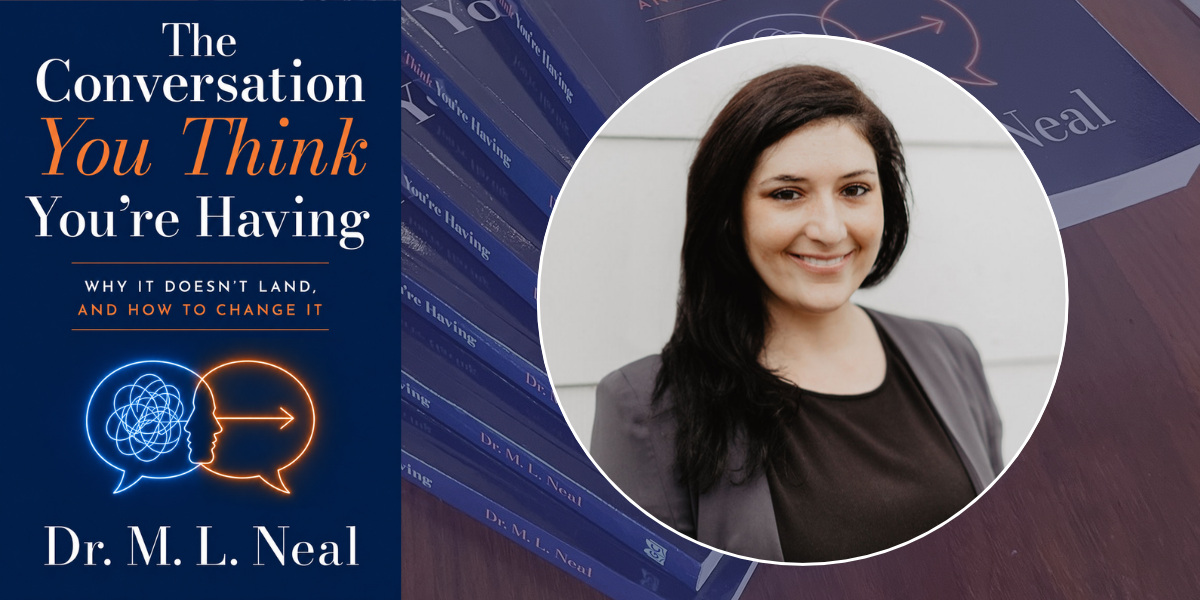
Neal’s work draws on her experience as a healthcare executive and leader, where communication can influence people, teams, relationships, and organizational outcomes. Her book, The Conversation You Think You’re Having: Why It Doesn’t Land, and How to Change It, examines the gap between what someone intends to communicate and what another person ultimately hears.
The Facts Are Not Always the Whole Story
In professional environments, people often assume that a disagreement can be resolved by clarifying the facts. Sometimes that is enough. In other situations, the facts are only one part of the conversation.
Consider a manager who receives a short response from a colleague. The observable fact is that the response was brief. The interpretation might be that the colleague is frustrated, dismissive, or unwilling to cooperate. Once that interpretation takes hold, the manager may respond defensively, even though the colleague’s actual intentions remain unknown.
The resulting exchange can become a conversation about an assumed attitude rather than the original message.
This distinction is central to Neal’s approach. The event itself and the story created around it are not necessarily the same thing. Recognizing the difference gives people an opportunity to examine their interpretations before treating them as established facts.
The objective is not to dismiss intuition or suggest that every concern is unfounded. It is to recognize when an assumption has begun influencing a response without being examined.
What Happens Before the Conversation Begins
Neal explores this process through the conversation layers framework highlighted in her book. The framework focuses on the space between what happens, what a person believes it means, what is communicated, and how another person receives and interprets that communication.
This perspective shifts the question from simply asking how to communicate more effectively to examining what shapes communication in the first place.
People do not enter workplace conversations as neutral observers. They bring expectations, previous experiences, personal interpretations, and assumptions about other people’s intentions. These influences can affect how they understand a comment, frame a response, or decide whether a discussion feels collaborative or confrontational.
The process can happen quickly enough that the interpretation feels indistinguishable from the event itself.
For leaders, recognizing this distinction can be particularly important. A manager who assumes an employee is resisting direction may approach a discussion differently from one who remains curious about the employee’s concerns. The facts may be similar, but the interpretation can shape the tone and direction of the exchange.
Good Intentions Do Not Guarantee Good Impact
Communication difficulties do not always arise because someone has chosen the wrong words. A person may intend to offer constructive feedback but leave a colleague feeling criticized. A leader may believe a decision has been explained clearly while the team remains uncertain about its implications.
Intent matters, but it does not determine how a message will be received.
Neal’s work encourages people to consider both sides of that distinction. Understanding what one intended to communicate is important, but so is recognizing the impact the communication had on another person.
That recognition creates room for a more productive response. Rather than immediately defending the original intention, a person can become curious about what the other individual heard and what meaning they attached to it.
Such curiosity does not require automatic agreement. It requires a willingness to investigate the gap between intention and impact before deciding how to proceed.
Changing the Conversation Starts With Self-Awareness
Neal’s background in leadership and ontological coaching informs her interest in making complex human behavior understandable and practical. Her approach invites readers to recognize their own communication patterns, particularly the moments when interpretations begin driving reactions.
A useful starting point is to separate what can be observed from what is being assumed. What actually happened? What meaning has been assigned to it? What evidence supports that interpretation, and what remains unknown?
Those questions can create a pause between an initial reaction and a response. They can also help individuals approach difficult discussions with greater clarity about what they know, what they believe, and what they need to understand.
In organizations where relationships and results depend on effective collaboration, that distinction can influence how disagreements unfold. It offers leaders and colleagues a way to examine not only what was said, but also the assumptions shaping the exchange.
Through The Conversation You Think You’re Having, Neal invites readers to recognize a familiar pattern: the conversation taking place externally may be shaped by a story that began internally.
The opportunity for change starts with noticing that story. Once people can distinguish an event from the meaning they have assigned to it, they have more room to question their assumptions, understand another perspective, and choose a response more deliberately.
Better conversations do not begin with perfect wording alone. They begin with greater awareness of what people bring to the conversation before they speak.
Explore / Learn More and Connect with Monica Neal
Book: The Conversation You Think You’re Having: Why It Doesn’t Land, and How to Change It
Website: Monica Neal’s Linktree
Facebook: Monica Neal
Instagram: @meta3coach
LinkedIn: Monica Neal