
By: Semrush
Semrush sponsored this article. The contributor may earn a commission if readers purchase Semrush products through links in this article.
For years, I assumed I would eventually hand SEO over to someone else. Then I realized I could not wait until I had the budget for another employee.
Running my photography business already meant wearing enough hats. I answered client emails, scheduled shoots, sent invoices, edited galleries, updated my website, posted on social media, and somehow still had to find time to market the business. Adding SEO to that list felt like another full-time job.
The problem was that I could not afford to ignore it. Most of my potential clients were not searching for my name. They were searching for things like wedding photographers in my area, family photographers near me, or specific photography services. If my website didn’t appear in those searches, a beautiful portfolio didn’t matter much.
That was when Semrush became part of my weekly routine.
I Needed to Know What Was Actually Working
At first, I treated my website like a portfolio. If the photographs looked good and the pages were easy to navigate, I assumed I was doing enough. I eventually realized that a website can look great and still be difficult for search engines and potential clients to find.
Semrush gave me a way to see what was happening instead of relying on assumptions. I could review the keywords connected to my website, track where I appeared in search results, and compare my visibility with other photographers competing for similar clients.
That changed the way I approached my website.
Instead of writing a blog post because I thought it sounded interesting, I started thinking about what a potential client might actually search before booking a photographer. Instead of wondering why a competitor seemed to be getting more attention, I could investigate what they were doing differently.
Semrush also helped me assess my website’s health through site audits. When something needed attention, I had a clearer idea of where to start rather than spending an afternoon trying to figure out what might be wrong.
The biggest benefit was not that I suddenly became an SEO expert. I did not. It gave me enough information to make better decisions without needing to become one.
That matters when you are the entire marketing department.
My Marketing Routine Started Looking Different
My weekly routine became much simpler. I checked my rankings, looked for changes, reviewed competitors, and checked for technical issues I needed to address. I could then decide what deserved my limited time that week.
Semrush became especially useful as search started changing beyond traditional Google results. I was already thinking about where my website ranked, but I began paying attention to how businesses could appear in AI-generated answers too.
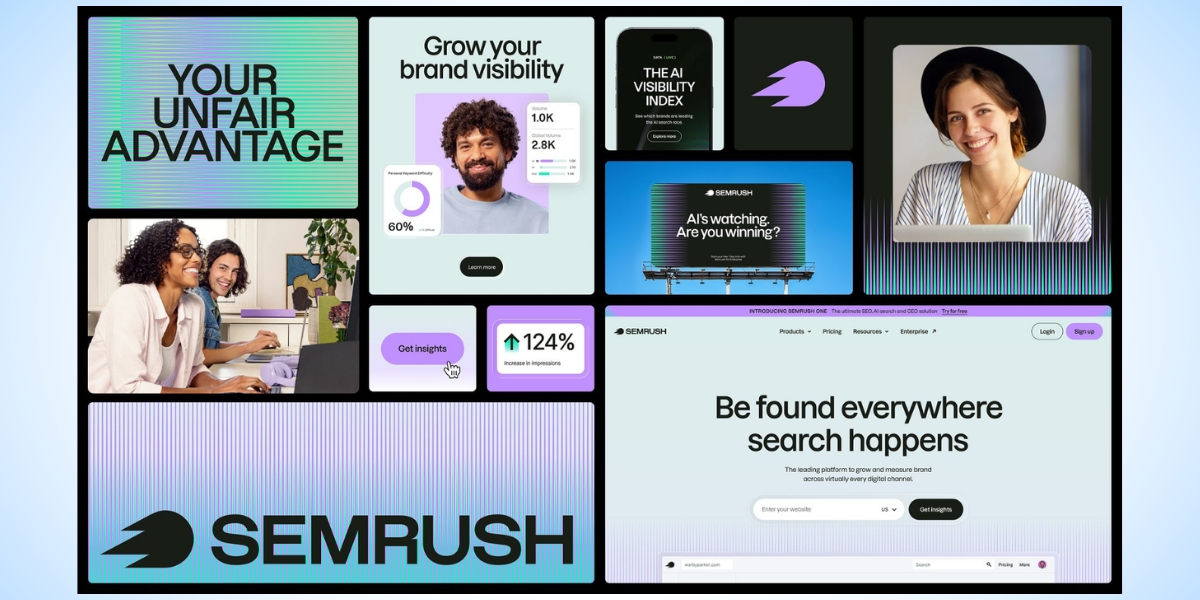
That is where Semrush One became relevant to how I thought about visibility. It brings the SEO Toolkit and AI Visibility Toolkit together, letting businesses view traditional search and AI search within the same broader platform.
For a small business owner, having that information in one place makes more sense than building a separate process for every new change in search.
Semrush also made competitor research feel less intimidating. I did not need to copy what another photographer was doing. I simply wanted to understand where I had overlooked opportunities. Seeing which searches competitors were appearing for gave me ideas for improving pages and creating useful content of my own.
I still have plenty of things to do that have nothing to do with SEO. There are clients to photograph, galleries to edit, emails to answer, and weekends that disappear into work. But I no longer feel like marketing has to mean guessing what might work.
That is probably the biggest change for me.
I started using Semrush because I thought I needed help with SEO. I kept using it because it helped me understand the business decisions behind SEO. Its current tools for small teams focus on finding opportunities, fixing site issues, tracking rankings, and monitoring visibility across Google and AI search.
I am still a one-person business. I still do most things myself. But I do not have to figure everything out blindly anymore.
Understanding a website’s current performance can be a useful starting point. Semrush provides data on search visibility, rankings, competitors, and site health that may help small business owners make informed marketing decisions.