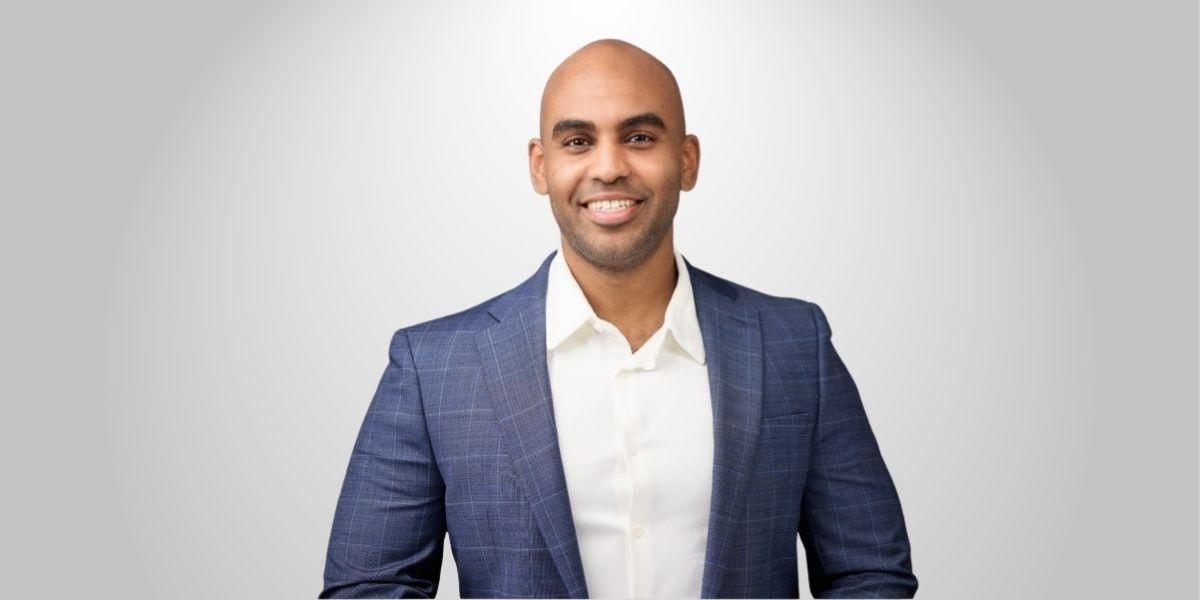

Public service and financial technology may appear to be unrelated fields. For Gedam Tekle, however, both are connected by a practical concern: helping people navigate systems that affect their daily lives. His path has taken him from military service and urban law enforcement to entrepreneurship, education, and payment technology consulting.
After serving in the United States Marine Corps, he joined the Oakland Police Department and rose to police sergeant, according to information supplied for this profile. More than a decade in public service shaped his approach to leadership, accountability, and decision-making. Those lessons now influence his work with local and online businesses through Dividend Shift, a company focused on payment solutions and entrepreneurial education.
A Career Built Around Service
The son of immigrant parents, Gedam Tekle credits his family background with teaching him the value of hard work and sacrifice. Military service added another layer to that foundation. The Marine Corps emphasized discipline, preparation, teamwork, and responsibility for others.
Those qualities remained relevant when he entered law enforcement. Working in Oakland meant operating in a demanding urban environment where decisions could carry immediate consequences. As a police sergeant, he guided teams, communicated under pressure, and responded to changing circumstances.
His personal phrase, “Improvise, Thrive, Adapt,” captures an approach based on assessing conditions, adjusting a plan, and continuing with purpose.

Transferable Skills Shaped the Transition
Leaving a long-term public-service career required a change in professional identity. Gedam Tekle did not enter business with the same background as a conventional technology founder. Instead, he brought skills developed through military and police work: process management, situational awareness, leadership, and an understanding of trust.
His supplied biography states that he partnered with another entrepreneur to help expand a growing company into a nationally recognized brand. He later co-founded a digital marketing firm. These experiences introduced him to customer acquisition, business systems, training, and repeatable operations.
Repeatable processes became especially important. A process can reduce uncertainty by showing what needs to happen, who is responsible, and how results should be reviewed. That mindset can be useful in payment consulting, where business owners must compare providers, understand pricing, evaluate equipment, and consider how a system fits their sales activity.
Why Payment Technology Matters to Businesses
Payment technology is the infrastructure that allows a business to accept and manage transactions. It can include card terminals, online checkout tools, mobile payment options, point-of-sale systems, reporting dashboards, and connections with other business software.
The Federal Reserve’s payments research has documented the continuing role of card and digital payment methods in the United States. For merchants, this shift is not simply about adding another way to pay. A payment system can influence checkout speed, recordkeeping, customer experience, staff training, dispute management, and operating costs.
The move placed Gedam Tekle in a field where technical details must be translated into practical business language. A restaurant may have different needs from an online retailer. A service provider may care about recurring billing, while a mobile vendor may prioritize portability. Effective consulting therefore begins with questions about the merchant’s business model rather than a single recommendation for every client.
Building Dividend Shift Around Guidance
As founder of Dividend Shift, Gedam Tekle describes the company as a done-with-you system for people interested in helping merchants evaluate and adopt payment solutions. The supplied materials say the program includes tools, training, and support and is designed to be approachable for participants without a technical background.
That description requires a careful distinction. Training can provide structure, but it does not guarantee income or business success. Outcomes may depend on effort, experience, market conditions, customer demand, costs, and the ability to build lasting merchant relationships. The Federal Trade Commission requires business-opportunity marketing and earnings claims to be truthful, supported, and not misleading.
Gedam Tekle’s stated philosophy places realistic expectations ahead of overnight-success language. His biography emphasizes tested systems, honest guidance, and long-term development. It also states that he has mentored thousands of members across the United States, Canada, and Mexico. That figure comes from information provided for this profile and should be understood as a company-reported number.
Practical Lessons for New Entrepreneurs
Gedam Tekle’s professional journey suggests that entering fintech is not only a technology decision. It is also a service decision. Consultants need to understand merchant concerns, explain terms clearly, follow through after installation, and avoid presenting assumptions as facts.
The U.S. Small Business Administration advises entrepreneurs to conduct market research, estimate startup costs, and prepare a business plan. In payment consulting, that preparation may also include learning how fees are structured, how contracts work, what security responsibilities apply, and how customer support is handled.
His law-enforcement background also informs his interest in protecting people from unfair or confusing practices. In a business setting, that principle can mean reviewing agreements carefully, disclosing relevant costs, avoiding unsupported savings claims, and giving merchants enough information to compare options.
A Service Mindset in a New Field
The career of Gedam Tekle shows how experience in one demanding field can inform work in another. His move from the Marine Corps and the Oakland Police Department into financial technology did not remove the service element from his career. It redirected that element toward merchants and aspiring entrepreneurs navigating modern payment systems.
His story also offers a measured view of adaptation. A career change can draw on existing strengths while still requiring new knowledge, careful research, and realistic expectations. In payment technology, credibility depends less on bold promises than on clear explanations, responsible practices, and consistent support.
Contact and Professional Profiles
More information is available through Gedam Tekle’s official website. Professional updates can be found through his LinkedIn profile, while additional content is shared on his Instagram account and X profile.
Disclaimer: This article is for informational purposes only and does not constitute financial, legal, or business advice. Participation in any business program does not guarantee income or success. Results vary based on individual effort, experience, expenses, market conditions, and other factors. Readers should conduct independent research and consult qualified professionals before making business or financial decisions.