
By Aman Jalan
Forests VC is applying an enterprise-development mindset to natural systems, where stewardship, productive capacity, and capital can work together to create value.
For decades, sustainability and business strategy often occupied different conversations. One focused on responsibility, the other on growth, productivity, and enterprise value.
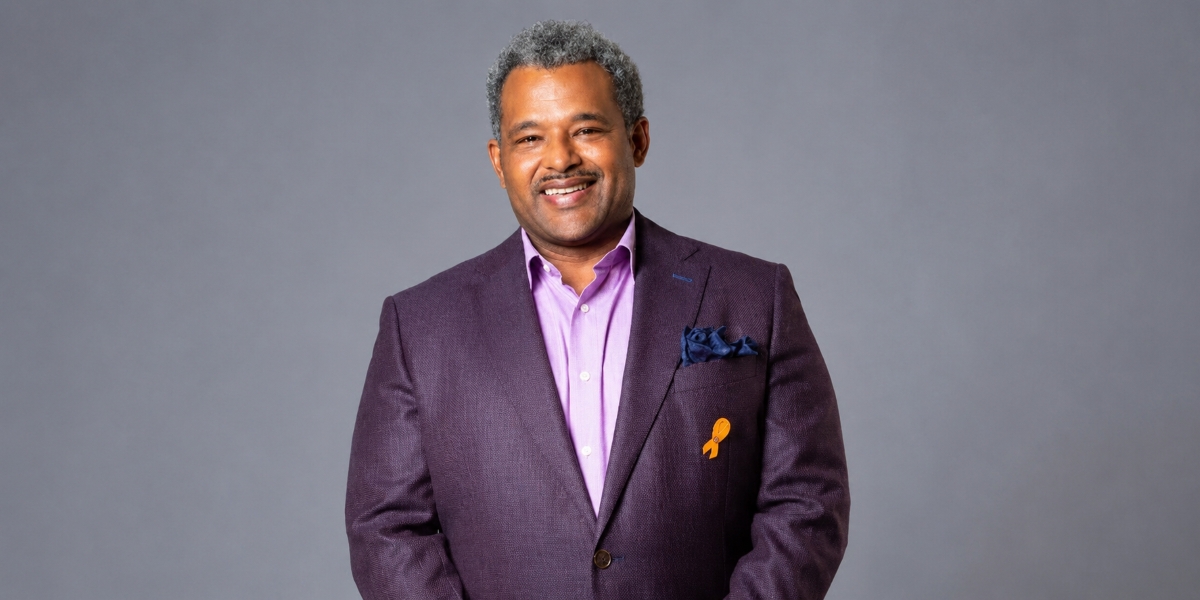
Forests VC co-founder Kimberly Lacayo believes some of the most interesting opportunities emerge when those conversations become one.
Her perspective developed through years in communications, business strategy, ESG and corporate social responsibility, followed by hands-on involvement with land and regenerative practices. The combination produced a practical realization: environmental and economic performance can reinforce one another when sustainability is designed into the business model itself.
“The opportunity isn’t simply to make land more sustainable. It’s to make better stewardship one of the reasons the asset becomes more valuable,” Lacayo says. “When circularity improves economics and regeneration creates productive value, sustainability stops being adjacent to the business model. It becomes part of the business model.”
That thinking now sits at the center of Forests VC, the natural capital development company Lacayo co-founded with regenerative finance executive Ronny Castillo.
The company aims to acquire or partner around undervalued land and use its FINCA Framework to Acquire, Design, Grow, Measure, Optimize, and Connect natural assets.
The leadership challenge is integration.
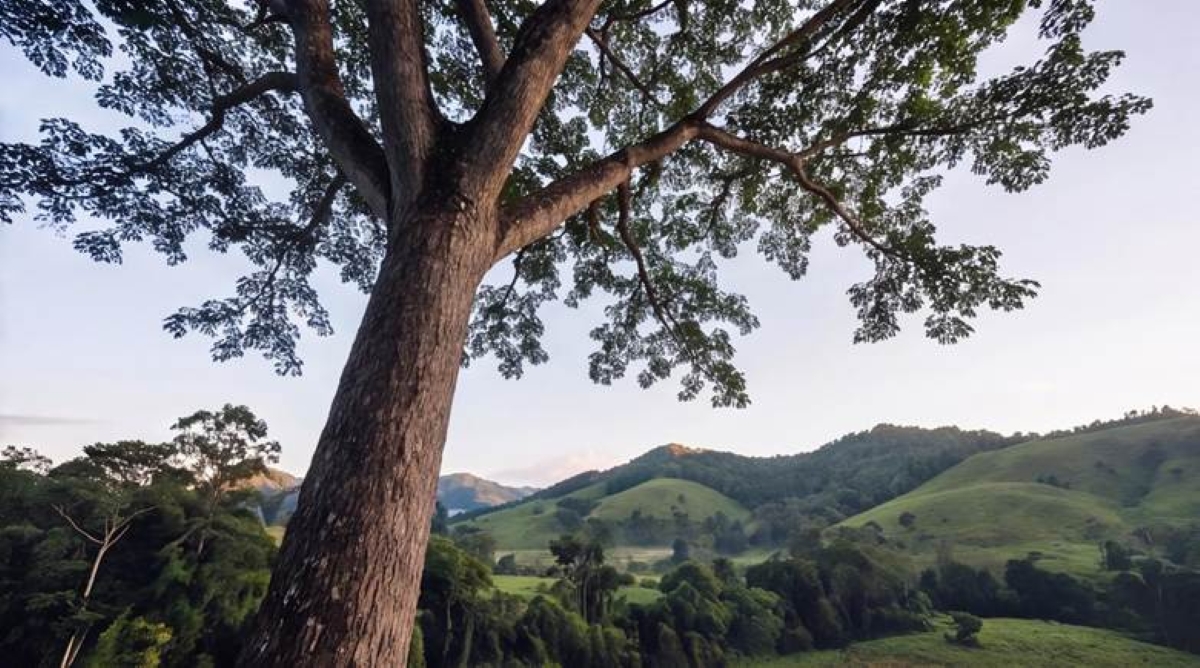
High-value regenerative forestry can provide biological growth with long-duration asset value. Agriculture can create nearer-term revenue. Processing can retain more value from what a property produces. Applied circular systems can turn byproducts into inputs or additional products. Technology, including remote sensing and digital-twin capabilities, can strengthen measurement and decision-making.
Each component can have value independently. Forests VC is focused on what they can create together.
For attorney Tatiana “Tati” Salgado, who serves on the Forests VC board and brings a legal, risk, and compliance perspective, integration also requires thinking beyond the immediate return. Decades ago, Salgado made a personal commitment to restore degraded land in Costa Rica and followed through by planting a forest.
“Working with land teaches you to think beyond the next quarter,” Salgado says. “The decisions we make today can shape what that land produces and supports for decades.”
Costa Rican businessman and business partner Marco Zúñiga brings a straightforward commercial perspective to that process: “The question extends beyond what the land is worth today. It’s what the land could become.”
That question also applies to capital.
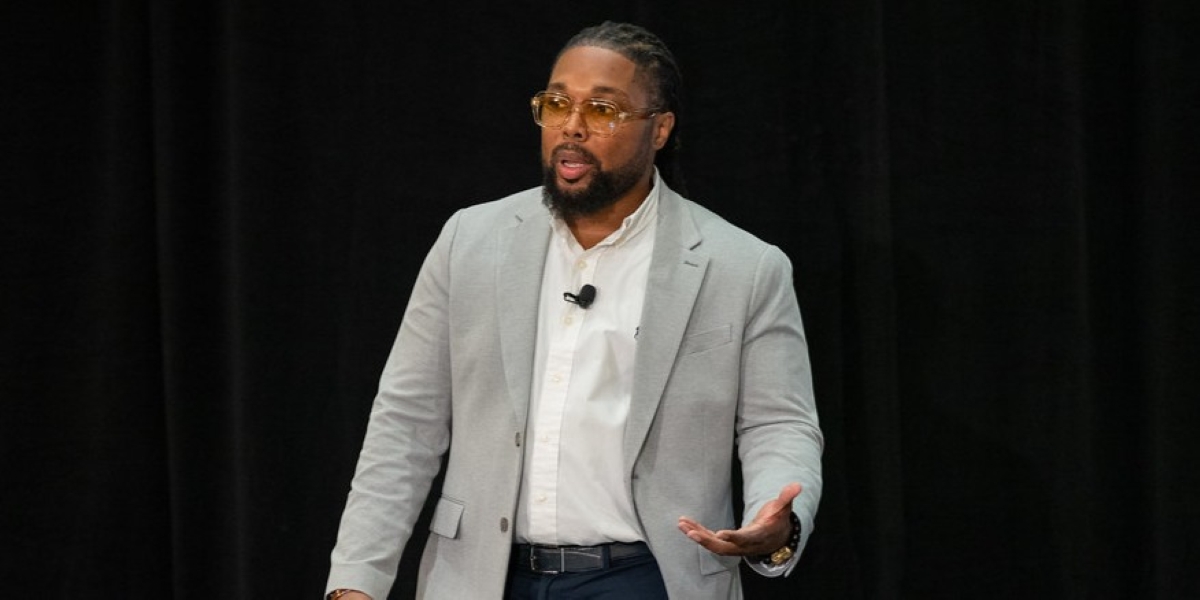
Castillo began his career in conventional finance before moving into regenerative finance, natural capital, and circular economics, a subject he has also taught. Today, he is a Forests VC co-founder and President of Raíz de Oro, the company’s flagship Costa Rican development project.
“Capital is extraordinarily good at finding opportunity,” Castillo says. “The challenge is designing natural assets that deserve that capital, with real economics, measurable performance and structures investors can understand.”
Together, those perspectives define both sides of Forests VC’s strategy.
For landowners, the opportunity is to discover additional productive potential within an underutilized property. For investors, it is the opportunity to access differentiated real assets built around land, biological growth, and multiple economic engines.
The broader leadership lesson extends beyond natural capital.
Value creation increasingly depends on seeing relationships others treat as separate: sustainability and profitability, biology and technology, long-term stewardship and nearer-term cash flow, landowners and investors.
Forests VC is building its acquisition and development platform around that principle.
The opportunity is not choosing between stewardship and enterprise value. It is designing systems where each can strengthen the other.