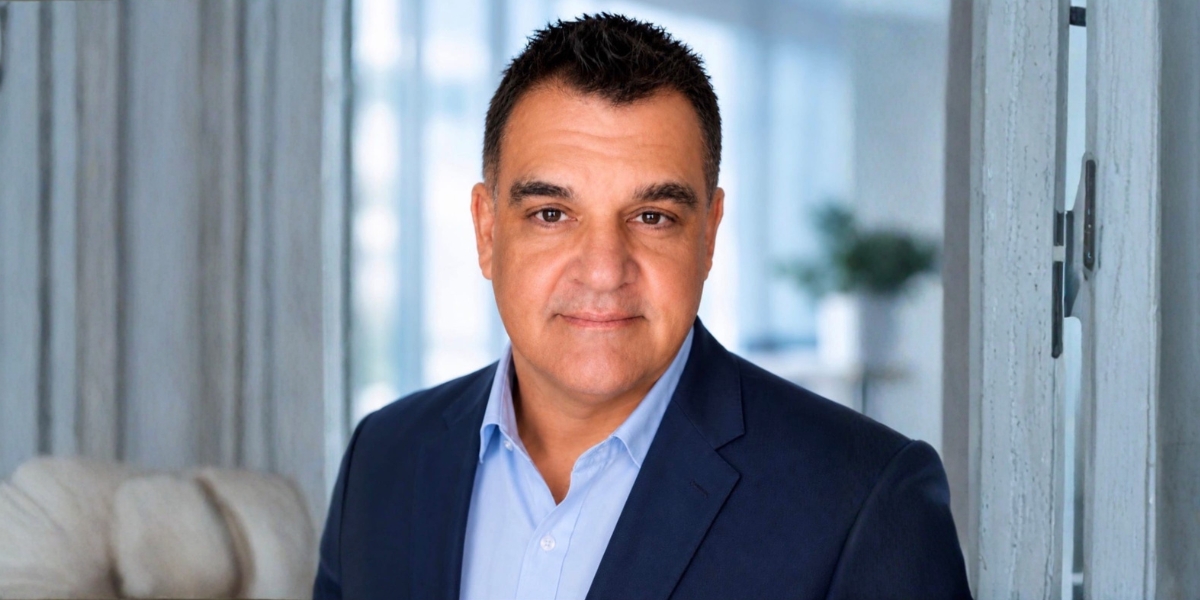

Picture a patient who has already seen ten different doctors. He has a stack of test results, a drawer full of prescriptions, and no answers that actually hold. He sits across from yet another physician and says, quietly, “Doc, you are my last hope.”
That moment is not unusual for Dr. David Borenstein MD, Manhattan Integrative Medicine of South Florida. It’s practically a pattern. And for Dr. Borenstein, it represents exactly the kind of challenge that pulled him away from conventional medicine in the first place and toward an approach that treats the person, not just the problem.
Borenstein built his practice around a simple but demanding idea. Chronic illness deserves more than symptom management. Patients who cannot get better under standard care are not failures. They are patients whose root causes have not yet been found.
The Fibromyalgia Patient Who Changed Everything
The story starts during residency training. Borenstein had a patient with fibromyalgia. Nobody on the team knew what to do. They consulted specialists. They tried different treatments. Nothing moved the needle.
“I said to myself, there must be a way,” he recalled. So he went looking. He researched practitioners working outside conventional frameworks, studied their protocols, and pursued additional training in integrative medicine. Eventually he joined an integrative medicine clinic in New York, where he began applying what he had learned in daily practice.
That early experience planted a conviction he has carried ever since. Traditional medicine, he explains, excels at acute care and emergencies. But for chronic conditions, it frequently falls short because it targets symptoms rather than the biological imbalances driving them.
After years of additional training, Borenstein opened his own practice. The model he built places functional medicine at its center, with a patient-centered philosophy concerned less with naming the problem than with finding what produced it.
What “Root Cause” Actually Means in Practice
The phrase “root cause medicine” gets used loosely. At Borenstein’s practice, it means something specific and methodical.
Every new patient begins with a thorough history. He asks about symptoms in detail: frequency, intensity, what worsens them, what relieves them, and what treatments have already been attempted. From there, he orders comprehensive lab work that goes well beyond the standard panels most patients have seen before. Hormone levels, nutrient markers, gut function, thyroid panels, and toxicity screening are all part of the picture.
The conditions this approach is built for include:
• Chronic fatigue and fibromyalgia
• Irritable bowel syndrome and SIBO
• Hormonal imbalances, including low testosterone and hypothyroidism
• Hashimoto’s and other autoimmune conditions
• Mold and mycotoxin exposure
• PMS and PCOS
These are patients who often arrive frustrated. Many have been dismissed or told their labs look “normal” while they feel anything but. Borenstein’s approach to that frustration is direct. “We listen,” he said. “We don’t dismiss. We work hard with the patient to address their issues and think and treat out of the box.”
That posture, more than any single treatment protocol, is what shows up repeatedly when patients describe their experience at his practice.
A Case That Illustrates the Difference
Depression offers a useful illustration of how the functional medicine approach diverges from conventional care.
In a standard primary care or psychiatric setting, a patient presenting with depression will typically leave with an antidepressant prescription. That prescription may help. But it addresses the symptom, not the source.
Borenstein’s intake for the same patient looks considerably different. He screens for nutritional deficiencies, including low levels of vitamin D, magnesium, zinc, B-12, and folate. Hormonal status comes next, with attention to testosterone, thyroid function, and cortisol. He evaluates gut health for dysbiosis and intestinal permeability. Toxicity and chronic infections, including mycotoxins and heavy metals, round out the workup.
Any one of those factors, or a combination of them, can produce or worsen depression. Treating the symptom without addressing the underlying imbalance means the patient stays on medication indefinitely without ever getting to the cause.
None of this means medications are off the table. Borenstein uses pharmaceuticals, imaging, and specialist referrals when the situation calls for them. The difference is that medication is one tool among many, not the default answer to every presentation.
Stem Cell Therapy and the Body’s Own Repair System
More than a decade ago, Borenstein was introduced to adipose-derived stem cells through the Cell Surgical Network, a California-based group specializing in that technology. He began using it for orthopedic conditions and saw results that shifted how he thought about tissue repair entirely.
Most orthopedic treatments are symptom-based. Pain management, anti-inflammatory medications, and surgery address the experience of damage without rebuilding the tissue itself. Regenerative medicine takes a different approach, Borenstein explains. It focuses on the signaling role of stem cells, which researchers continue to study for their part in the body’s own repair processes.
Patients seeking this kind of care typically present with:
• Knee osteoarthritis and chronic joint pain
• Shoulder, elbow, and neck pain
• Degenerative back conditions
The consultation process mirrors his functional medicine intake, beginning with a detailed history of the pain and prior treatments, followed by a careful evaluation of whether the patient is a good candidate. Some patients have degeneration that is too advanced for regenerative therapy. Others have contraindications, including active malignancy, current infection, or pregnancy. Not everyone qualifies, and Borenstein evaluates each case individually rather than applying a one-size approach.
One misconception he addresses regularly is the assumption that all stem cell procedures involve embryonic tissue. The regenerative procedures he performs use adult mesenchymal stem cells taken from the patient’s own body or derived from donated umbilical cord tissue. No embryonic cells are involved.
Where Functional Medicine and Regenerative Medicine Meet
At Borenstein’s practice, these disciplines are meant to work together rather than in separate lanes.
Functional medicine looks for root causes at the systemic level: gut health, nutrient deficiencies, hormonal imbalances, toxic load. Regenerative medicine addresses structural damage at the tissue level. A patient being treated for knee pain, then, may also have their inflammatory markers, nutritional status, and hormone levels evaluated as part of the same care plan rather than in isolation.
That integration extends to how he thinks about treatment planning generally. Personalized care plans at his practice may include targeted supplementation, hormone optimization, dietary changes to support gut health, sleep hygiene protocols, and stress reduction strategies alongside any procedural treatments. The plan reflects the patient’s specific lab findings and history, not a generalized protocol.
Borenstein is also watching the broader field of regenerative medicine closely. Induced pluripotent stem cells, which involve reprogramming adult cells into an embryonic-like state, represent what he calls the biggest leap in regenerative medicine right now. Researchers are using this technology to develop personalized therapies for conditions like Type 1 diabetes, Parkinson’s disease, and macular degeneration, with a lower risk of immune rejection. “The potential benefit is enormous,” he said.
Why Patients Return to Manhattan Integrative Medicine
Patients who find their way to Manhattan Integrative Medicine of South Florida have usually been searching for a while. Most have seen specialists. Labs came back normal. More than a few have been told to manage their expectations.
What draws them to Borenstein, and what David Borenstein MD reviews point to consistently, is the experience of being taken seriously. He doesn’t dismiss unusual presentations or default to the simplest explanation. He asks more questions, runs more labs, and builds a plan that reflects the individual sitting in front of him.
His patients often arrive carrying years of frustration. Many describe what they were looking for in similar terms: a physician willing to look at the whole picture.
For Borenstein, that is the work he keeps returning to. The patient who has been to ten doctors, who walks in as a last resort, and who finally finds a physician willing to keep asking questions. Taking on those cases, he said, “is what it’s all about.”
Disclaimer: This article is for informational purposes only and does not constitute medical advice, diagnosis, or treatment. Consult a qualified healthcare provider before making any decisions about your health or medical care.