
The modern family is busier than ever. Between demanding careers, children’s extracurricular activities, and the simple desire for leisure time, household maintenance often falls to the bottom of the priority list. This shift in lifestyle priorities, coupled with a growing awareness of health and wellness, is driving a significant national trend: the mass adoption of recurring professional house cleaning services.
What was once considered a luxury for the wealthy has transformed into a standard utility for the middle class. This article explores the economic, social, and health-related factors fueling this growth, providing a comprehensive analysis of why more families are opting for scheduled cleaning over sporadic DIY efforts.
The Market Momentum: A Billion-Dollar Shift
The numbers paint a clear picture of an industry in ascension. The global residential cleaning services market is not just surviving; it is thriving. In 2025, the market was valued at approximately $74.86 billion** and is projected to reach **$107.81 billion by 2032, growing at a steady compound annual growth rate (CAGR) of 5.3% . This growth is not merely a post-pandemic rebound but a structural shift in how households manage domestic labor.
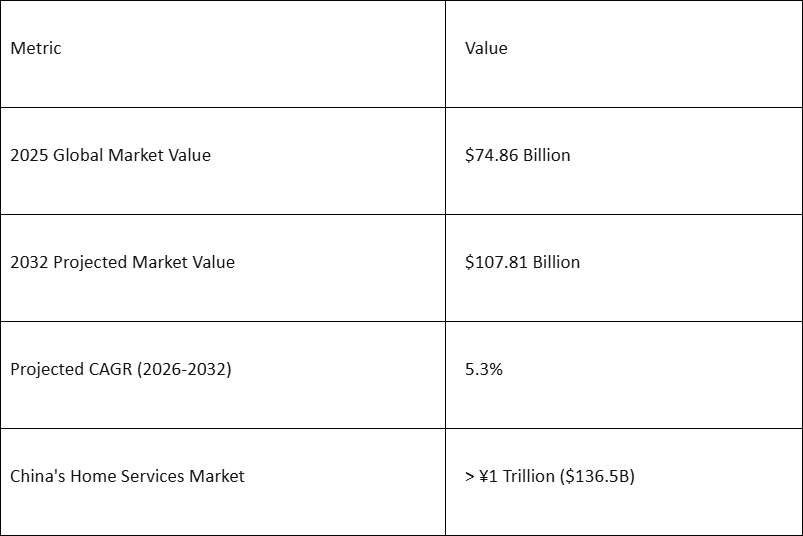
The industry is evolving from “non-formal” and local labor to “branded, platform-based, and standardized delivery” . This formalization provides families with the trust and reliability necessary to integrate a service provider into their weekly routines.
Why the Shift? Key Drivers of Recurring Service Adoption
Several converging factors explain the growing dependence on recurring cleaning services.
1. The Demographics of the Modern Household
The structure of the family unit has changed dramatically. The rise in dual-income households and single-person households means less time for domestic chores . Women, who traditionally bore the brunt of unpaid domestic labor, are now in the workforce at higher rates than ever before, leaving a vacuum in home maintenance that must be filled by outsourcing .
2. Health and Well-being Priorities
Modern families are more health-conscious. Research indicates that households are increasingly aware of indoor air quality and allergens. Studies show that 82% of families recognize that indoor dust can cause illness . However, there is a significant gap in knowledge regarding where these dangers hide, such as dust mite feces in bedding and upholstery. Recurring professional cleaning ensures that these often-neglected areas (like mattresses and carpets) are addressed regularly, reducing the risk of allergies and asthma .
Effective home cleaning is vital for preventing allergies and respiratory diseases. Dust mites and their feces, major allergy triggers, are primarily found in bedding and carpets.”
3. Economic Efficiency vs. “Time Poverty”
Families are realizing that “time is money.” Outsourcing cleaning is often more cost-effective than taking time off work to do it yourself. This is supported by the “recurring vs. one-time” price dynamic:
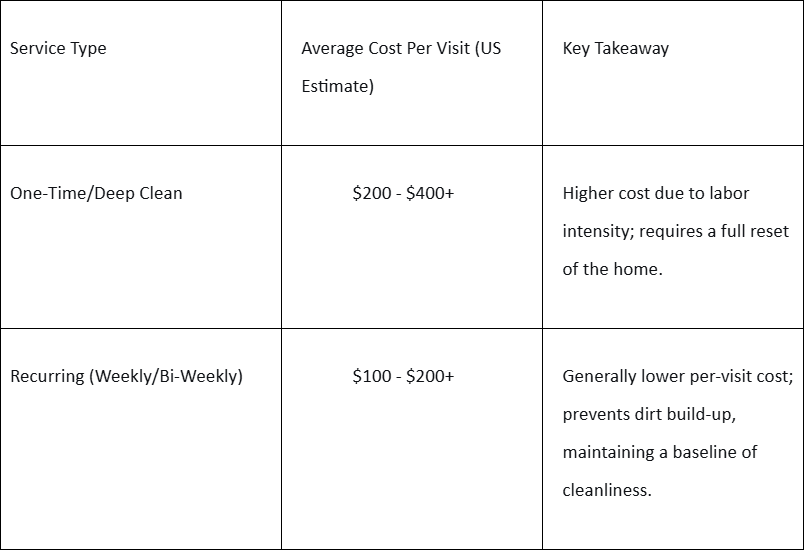
Recurring services are financially sustainable because they prevent the “grime buildup” that necessitates expensive deep-cleaning sessions. As one industry source notes, “regular maintenance prevents the need for intensive, time-consuming cleanings that often come with a higher price tag” .
4. Rise of “Flexible” Households
According to Inthetalks families are no longer just nuclear units. The rise in pet ownership (which increases cleaning frequency), short-term rental management (Airbnb), and apartment living means that households require flexibility . Recurring services allow for adjustments, for instance, “skip” or “reschedule” options when a family is away, or “add-on” services like interior oven cleaning or window washing for specific weeks .
Benefits of Recurring Scheduling
Transitioning to a recurring model offers distinct advantages over intermittent hiring.
- Consistent Maintenance: Unlike a one-off deep clean that returns to dirt over time, recurring schedules ensure the home remains at a “baseline” level of cleanliness. It prevents surfaces from being neglected long enough for grime to set in .
- Improved Indoor Air Quality: Regular vacuuming with HEPA filters and dusting actively reduce airborne pollutants, bacteria, and allergens, creating a safer environment for children and the elderly .
- Preservation of Assets: Regular cleaning prevents the wear and tear of dust and dirt on furniture, carpets, and upholstery, extending the life of household investments .
- Recovered Time: This is perhaps the most cited benefit. Outsourcing cleaning recovers weekends and evenings, allowing families to engage in leisure, recreation, and quality time rather than labor .
The Industry Response: Standardization and Trust
The key to this growth has been the shift from “independent worker” to “agency-backed professional.” Families are choosing recurring services from companies that offer employee background checks, insurance, and standardized training . The competitive edge is no longer just price, but “stable supply of cleaning personnel, background checks, service standards, quality review, insurance, complaint handling, and repurchase capability” .
In Summary
The rise in recurring cleaning services across the country is a logical response to the pressures of modern life. It reflects a societal recognition that time is a finite resource, and that health, productivity, and well-being are worth the investment. As the market continues to professionalize, offering greater reliability and flexibility, it is likely that recurring cleaning will become as standard as internet or electricity for the modern family, an essential utility for a functional home.