
By Natalie Johnson
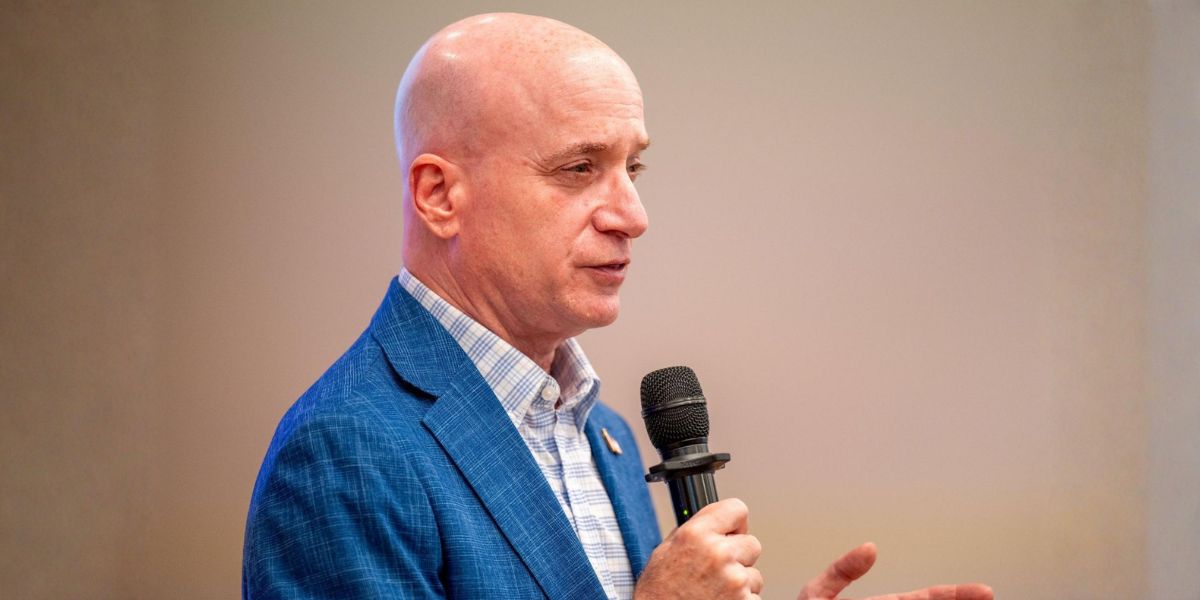
Professional development has never been more accessible; courses, webinars, podcasts, and AI-powered tools allow people to learn almost anything on demand. Despite the abundance of content, many organizations still struggle to create learning experiences that genuinely change how people lead, collaborate, and perform. According to Scott Tierno, Senior Director of Leadership Academy & Events at Unitek Learning, the missing ingredient is not more information. It is meaningful human connection.
“A real experience is an interactive opportunity,” says Tierno. “It’s a chance for people to have conversations with each other and solve real-world challenges they may be experiencing.” For organizations focused on leadership development, that distinction matters. Developing leaders is less about delivering content than creating environments where people actively participate, build relationships, and leave equipped to make better decisions. When done intentionally, professional development becomes an essential driver of employee retention and long-term organizational success.
Moving Beyond Leadership Training
Instead of telling people what they should do, effective facilitators create opportunities for collaboration, discussion, and shared problem-solving. Learning becomes something participants build together rather than something delivered to them. “I’ve learned that the most important thing is meeting them where they are and not moving them to where I’m at,” Tierno explains. “If I meet them where they are, then we can move through the process together.”
This philosophy reflects a broader shift from isolated leadership training toward designing scalable leadership development programs that become part of an organization’s broader leadership system. By moving from focusing on a single workshop or event, organizations can begin building a leadership pipeline supported by experiences that continually reinforce learning, reflection, and growth.
Why Human Connection Still Matters
With virtual learning becoming increasingly sophisticated, it would be easy to assume face-to-face development is becoming less relevant. Online learning undoubtedly has its place, but some elements of leadership simply cannot be replicated through self-paced modules. The energy of shared discussion, spontaneous collaboration, and learning alongside peers creates an experience technology alone cannot replace.
“The reaction and interaction of a group is really an important piece,” he says. “We as human beings still need and require that human connection.” Drawing on the Caring Science framework, Tierno argues that compassion and accountability strengthen one another rather than compete. Leaders who demonstrate empathy while maintaining high expectations build trust, encourage honest dialogue, and create stronger teams.
“I believe compassion and accountability are essential partners in building high-performing organizations.” This balance becomes especially valuable for organizations leading through change and building trust, where uncertainty often places greater demands on leaders to communicate with authenticity while maintaining focus on organizational goals.
Designing Experiences People Remember
For Tierno, engagement begins well before the first presentation slide appears. The opening moments of any session should immediately invite participation rather than passive observation. Sometimes that means getting people talking to one another. Sometimes it means getting them out of their seats altogether. Whatever the activity, the objective is to replace spectators with participants.
“I think getting them out of their seats is a good experience,” he says. “Developing something that’s going to catch their attention right at the beginning is really important.” Equally important is the facilitator’s willingness to be authentic. Rather than positioning themselves as the smartest person in the room, effective leaders demonstrate humility and approachability.
“If I can show them that I’m human first, they’ll be more willing to listen.” That authenticity creates psychological safety, making participants more willing to contribute, ask questions, and challenge assumptions. These interactions ultimately strengthen organizational culture while helping organizations identify emerging talent through meaningful engagement.
Leadership Development as a Strategic System
After nearly three decades designing professional learning experiences, Tierno believes the biggest lesson has been recognizing that leadership is fundamentally relational. “It’s not about being the expert of everything because you’re not,” he says. “It’s much more about building relationships and building connection with each other.”
Organizations seeking stronger succession planning, more effective competency frameworks, and sustainable executive mentoring initiatives often focus heavily on technical capability. While those elements matter, lasting leadership systems depend equally on trust, curiosity, and the ability to bring people together around shared challenges.
Ultimately, how organizations develop future leaders depends less on delivering exceptional presentations than on aligning talent development with strategic goals through experiences that encourage participation, reflection, and genuine connection. When leaders consistently model compassion, accountability, and collaboration, they create cultures that people actively want to be part of.
Follow Scott Tierno on LinkedIn or visit his website for more insights on leadership development, professional learning, and building high-performing teams.