
Most offshore staffing companies are built by people who studied healthcare from the outside. Phoenix Virtual Solutions took a different route. Its founder spent more than two decades inside U.S. health systems before she placed a single virtual medical assistant with a client. That distinction shapes how the company recruits, trains, and supports the teams it sends to American providers.
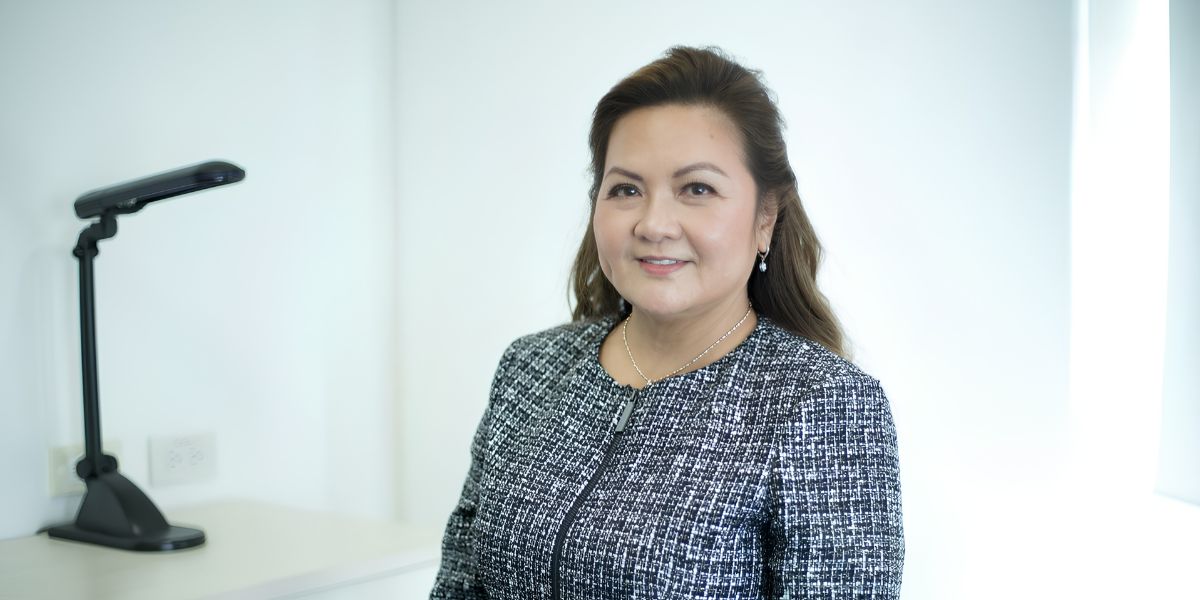
Melba Militante, known to colleagues as Mel, is the Chief Executive Officer of Phoenix Virtual Solutions, a healthcare virtual staffing company that works with medical practices, home health agencies, and hospice organizations across the United States. Her conviction is plain. Practices deserve offshore support designed by someone who has actually run clinical operations, not merely observed them from a distance.
How Running a Hospice Shapes the Company’s Approach
Militante’s background reads differently from that of a typical staffing executive. Her career moved through acute care, managed care, and skilled nursing facility settings, giving her a working view of how patients move across the health system. She also owns a Medicare-certified hospice and has served as its licensed administrator, which puts her inside hospice and home health operations rather than adjacent to them.
That role connected her directly to the rules governing post-acute care. She works with the Medicare Conditions of Participation, the federal standards that dictate how hospice and home health providers document care, protect patients, and remain eligible for reimbursement. Few people building offshore teams understand those requirements from the operator’s chair.
She has kept that knowledge current by attending industry conferences centered on hospice and home health compliance. So when a client asks whether a remote assistant can handle intake documentation or help coordinate a plan of care, the guidance comes from someone who has signed off on those processes herself.
What Virtual Medical Assistants Actually Do for Practices

A virtual medical assistant is a trained remote professional who takes on the administrative and clinical support tasks that pull staff away from patients. In a busy practice, that can mean managing appointment schedules, processing prior authorizations, updating electronic health records, verifying insurance coverage, or supporting billing workflows. The work is detailed, and it rarely lets up.
For home health and hospice agencies, the demands run deeper. Documentation has to satisfy strict federal standards, and coordination among nurses, physicians, and families is constant. Phoenix addresses this in a guide on how home health agencies use virtual medical assistants to scale operations, which breaks down the specific functions remote staff can absorb. The company’s virtual medical assistant services are shaped around those clinical realities rather than generic call-center scripts.
The idea behind the model is simple. When a remote assistant carries the paperwork, on-site clinicians can spend more of their day with the people in front of them.
The Credentials Behind the Leadership
Melba Militante brings both technical and operational training to the role. She graduated summa cum laude with a bachelor’s degree in computer science from California State University, Fullerton. She holds the Project Management Professional (PMP) and Certified Scrum Master (CSM) certifications, and she has trained as a Lean Six Sigma Green Belt.
Those qualifications carry weight in offshore staffing, where process discipline separates dependable partners from unpredictable ones. Project management and Scrum methods inform how Phoenix onboards new teams and runs client accounts, and the Lean Six Sigma training reflects a focus on reducing errors and waste. Her professional memberships reinforce that footing across two countries. She belongs to the Healthcare Information and Management Systems Society (HIMSS), the Health Information Management Association of the Philippines (HIMAP), and the IT and Business Process Association of the Philippines (IBPAP), along with the Orange County and Los Angeles chambers of commerce.
Anyone who wants a fuller picture of her background can follow Militante’s LinkedIn profile, where she publishes commentary on healthcare operations and offshore staffing.
Recognition Across the Healthcare and BPO Sectors

Phoenix has drawn notice well beyond its client roster. The company is recognized as a preferred BPO partner of the American Chamber of Commerce Philippines, and it has worked with the Department of Information and Communication Technology (DICT) to build medical assisting skills in non-metropolitan areas of the Philippines. That collaboration extends training opportunities outside the country’s largest cities, widening the pool of people entering the field.
The company was also ranked first among medical virtual assistant providers in the 2026 WorldHealth.net industry guide. For a practice weighing an offshore partner, third-party recognition offers a useful reference point, though the more telling signal is the clinical experience steering the operation day to day.
Serving U.S. medical practices alongside home health agencies and hospice organizations means answering to the families and patients who depend on them. Agencies exploring virtual staffing for hospice and home health will find that Phoenix Virtual Solutions treats its founder’s clinical background as the foundation of everything it delivers, from the first interview through ongoing account support.