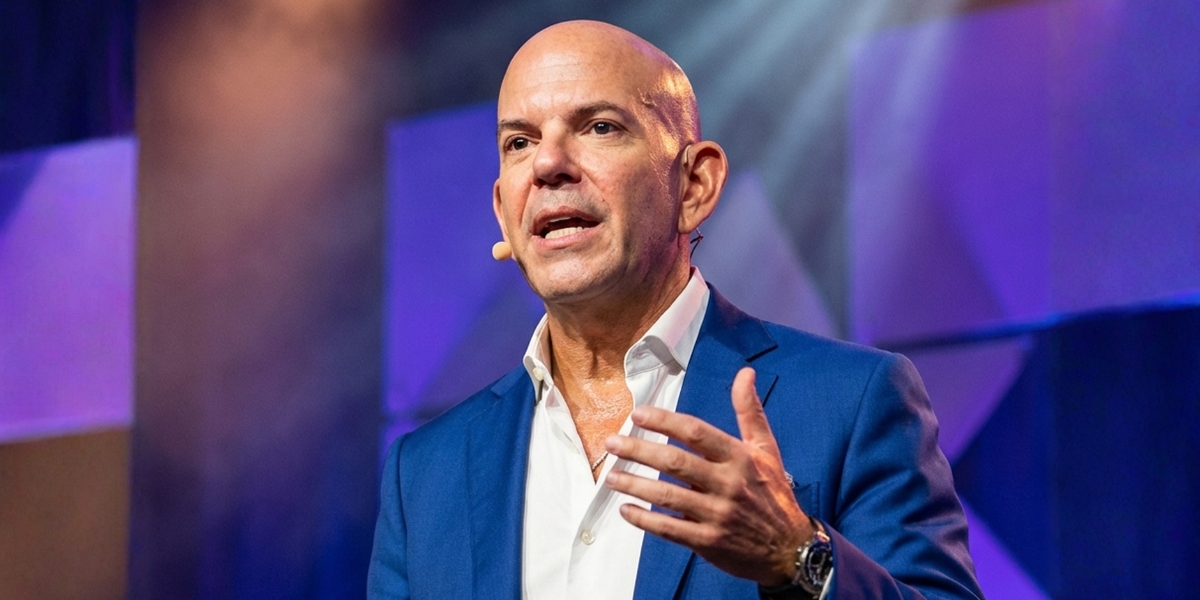

Modern leadership requires more than ambition and operational efficiency.
Organizations today face shifting market conditions, evolving workforce expectations, and increasing pressure to adapt without losing long-term direction. According to Jason Mickool, many leadership challenges emerge not because organizations lack strategy, but because leaders underestimate the importance of consistency, communication, and organizational alignment during periods of growth and complexity.
Mickool, founder of Greatness Lab and author of Built to Lead, Built to Scale, focuses on helping leaders develop organizations that remain effective as responsibilities expand and operational demands increase.
His work centers on a broader leadership question: what allows organizations to maintain clarity and stability as complexity grows?
Why Leadership Challenges Often Begin Internally
Mickool believes organizational strain frequently begins long before problems appear operationally.
Many companies focus heavily on external growth initiatives while paying less attention to the leadership habits, communication patterns, and decision-making behaviors shaping internal culture behind the scenes. Over time, that disconnect creates friction across teams and leadership structures.
Alignment weakens. Communication becomes inconsistent. Leaders shift into reactive decision-making rather than intentional leadership. As organizations become more complex, the absence of clear operational and cultural foundations becomes increasingly difficult to ignore.
According to Mickool, leadership effectiveness depends heavily on how leaders respond to pressure, uncertainty, and organizational demands as those demands continue evolving.
This perspective has become increasingly relevant for organizations operating inside rapidly changing business environments where adaptability and clarity are both essential.
Building Organizations That Remain Effective Through Growth
One of the recurring themes throughout Mickool’s work is the importance of creating organizations that can function effectively without relying entirely on constant founder oversight.
Many businesses perform well during earlier stages because of direct involvement, fast decision-making, and concentrated leadership control. Challenges often emerge later when organizational complexity increases faster than leadership structures evolve alongside it.
Mickool believes sustainable leadership requires moving beyond reactive management toward more intentional organizational development.
That includes strengthening communication across teams, creating accountability systems that support consistency, developing operational habits that reduce unnecessary friction, and aligning organizational culture with long-term priorities.
Rather than viewing leadership solely as individual performance, Mickool emphasizes the importance of creating environments where teams can continue operating cohesively even during periods of rapid change.
Why Mindset Shapes Leadership Stability
Mickool also believes mindset influences organizational stability more than many leaders initially realize.
Executives operating under pressure often default to short-term reactions, especially during periods of uncertainty or operational strain. Over time, reactive thinking can affect communication quality, decision-making consistency, and overall organizational direction.
His work encourages leaders to become more aware of how their internal habits influence external leadership outcomes.
Rather than relying on motivational language alone, Mickool focuses on practical leadership behaviors that support long-term organizational effectiveness. This includes maintaining consistency during uncertainty, developing disciplined routines, improving communication under pressure, and making decisions with greater long-term awareness.
According to Mickool, organizations frequently mirror the leadership patterns established at the top. That reality makes leadership development far more than a personal exercise. It becomes an operational consideration that affects the broader organization itself.
Turning Leadership Principles Into Organizational Practice
In Built to Lead, Built to Scale, Mickool examines the relationship between leadership behavior, organizational structure, accountability, and long-term effectiveness.
The book approaches leadership through a practical business lens, exploring how leaders translate principles into operational consistency over time.
Rather than framing organizational success as purely motivational or personality-driven, Mickool emphasizes the role of intentional leadership structures, communication clarity, and disciplined execution in helping organizations remain stable as demands evolve.
This perspective continues resonating with entrepreneurs, executives, and organizational leaders navigating increasingly complex business environments.
As workplace expectations, operational challenges, and leadership responsibilities continue shifting, Mickool believes leaders benefit from focusing less on short-term momentum and more on creating sustainable organizational foundations capable of supporting long-term effectiveness.
Why Sustainable Leadership Continues to Matter
Mickool’s broader message remains consistent throughout his work.
Organizations rarely remain effective through strategy alone.
Long-term stability also depends on leadership consistency, operational clarity, and the ability to maintain alignment as environments become more demanding and organizational complexity increases.
For leaders navigating uncertainty, operational pressure, and organizational growth, that perspective continues becoming increasingly relevant in modern business environments.
Explore / Learn More
Jason Mickool is the founder of Greatness Lab and author of Built to Lead, Built to Scale, a book focused on leadership development, organizational alignment, and sustainable operational growth.
Website: https://greatnesslab.com/
Instagram: @jmickool
LinkedIn: Jason Mickool
TikTok: @jasonmickoolofficial
Disclaimer: This article is for informational and educational purposes only and does not constitute investment advice, financial advice, tax advice, legal advice, or a recommendation, solicitation, or offer to buy or sell any security, insurance product, annuity, or investment of any kind. Readers should consult a qualified, licensed financial advisor, attorney, or tax professional before making any financial decisions.