By: Natalie Johnson
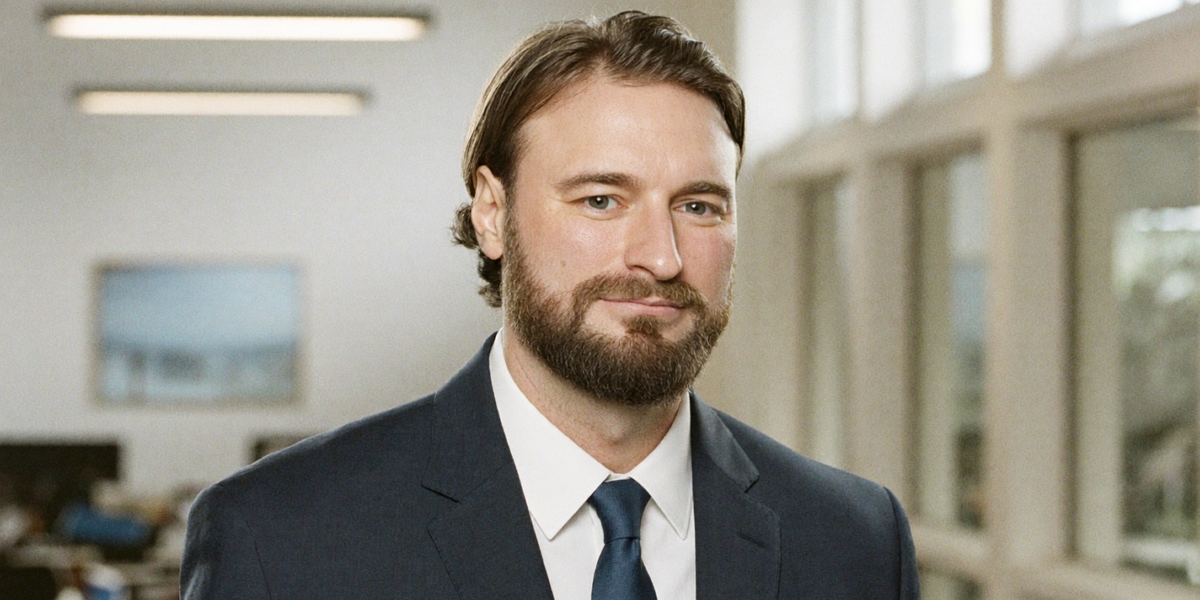
Consumer retail is a sector where founder control tends to erode quickly. Capital requirements are high, timelines are long, and the fastest path to scale almost always runs through institutional money. Gabriel Shohet and Eirik Holth, co-founders and co-CEOs of Black Sheep Coffee, looked at that equation and solved it differently.
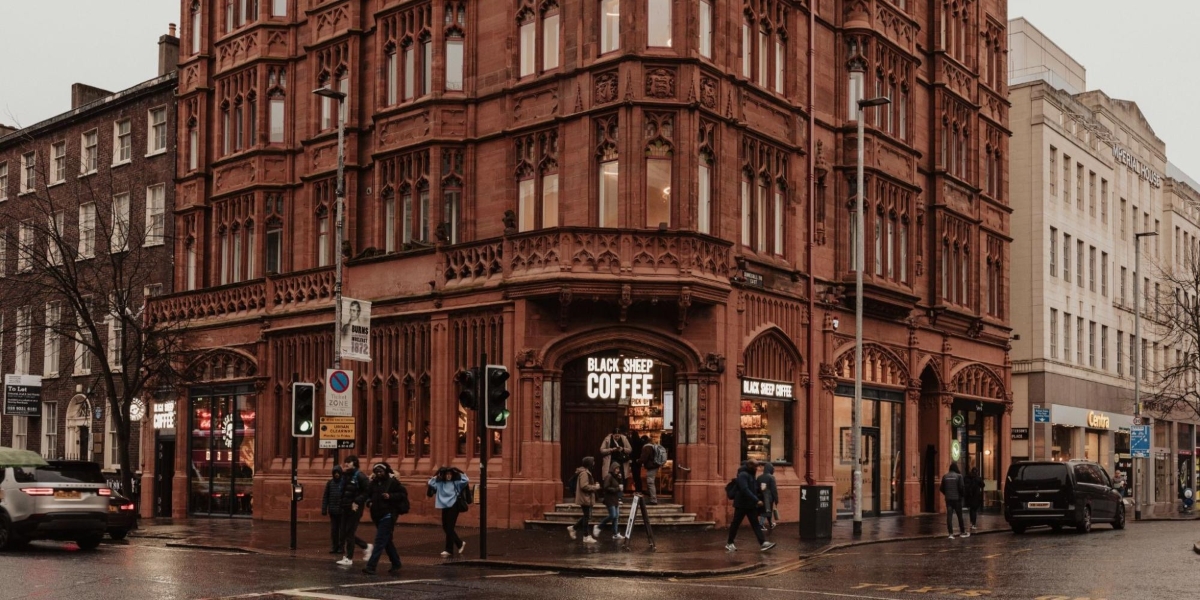
The company has taken no investment from private equity or venture capital funds. Growth capital came from individual customers who believed in the brand and contributed at their own scale. NBA player Kristaps Porzingis is among those shareholders, having invested after becoming a customer and remaining one of the brand’s most vocal public supporters. Shohet and Holth retain all board seats and full voting control at a company that now operates over 130 locations across the UK and the Middle East, voted Best Multiple Operator by consumers at the London Coffee Festival, with a growing US footprint across Texas and Florida. That ownership profile stands apart.
What it has produced, beyond the cap table, is a decision-making culture that operates on a fundamentally different timeline. Expansion at Black Sheep Coffee is governed by internal health metrics measured across the existing network: audit scores, peak-hour wait times, same-store sales performance, and overall operational consistency. New locations open when the data confirms the system can absorb them. When strain shows up in the numbers, the pace slows. That choice belongs entirely to the founders, with no fund cycle or investor expectation in the background.
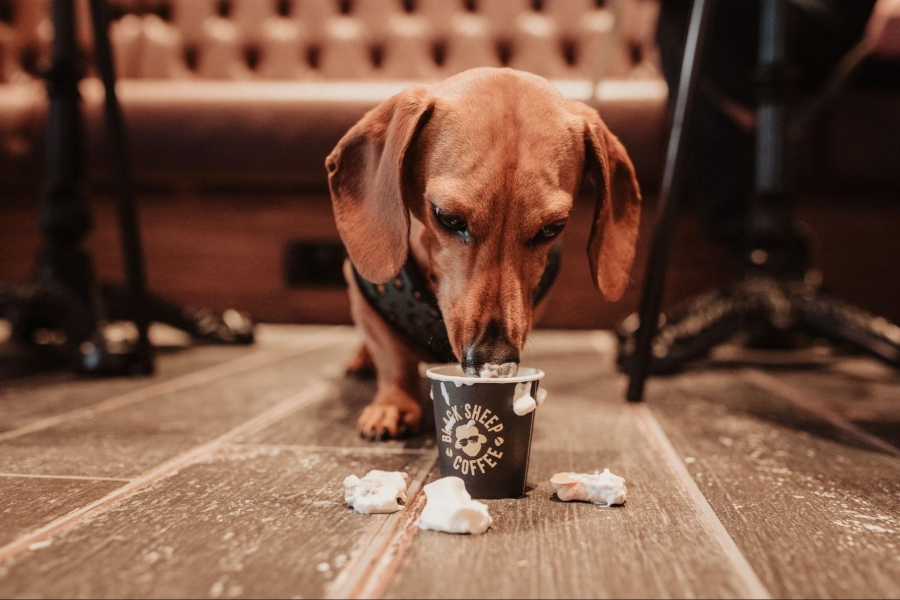
The result has been rapid growth without the operational deterioration that typically accompanies it. The company moved from 50 corporate locations to near-saturation of the UK market in under two years by applying that framework consistently, and the same model now governs every US decision. The brand currently has locations in Dallas, Plano, and Grapevine in the DFW area, with active development across Texas and Florida. A 20-store franchise development agreement across the Dallas-Fort Worth metroplex was signed in early 2026, one of the largest single franchise deals in the company’s history.
The franchise model itself reflects the same operational philosophy. Operators purchase territorial exclusivity by geography, giving them real ownership over their market and a stake in maintaining the quality standards that make the territory worth holding. The company is not selling a logo and a recipe. It is selling a system, and that system has to be healthy enough to support the franchisees entering it.
Shohet and Holth both operate exclusively within Black Sheep Coffee, with no parallel ventures and no divided attention. For executives studying how founder-led companies maintain identity and operational integrity at scale, the structure Shohet and Holth have built is worth examining carefully. Control, it turns out, is not just a governance question. It is an operational one.