
By: JJ Burke
Custom-Fit arrives like a wake-up call in a world full of polite hiring manuals. It is not some polished how-to handbook. It is a raw, practical push into the real cost of choosing people poorly. Reading it feels like leaning into a friend who has been through chaotic hires and is not interested in comforting nonsense. It made me think differently about how too many founders treat recruiting like a checkbox. It also made me hopeful that clearer hiring habits can help small teams make more thoughtful decisions.
The book lands with a voice that is direct and impatient with excuses. Kate Morgan refuses the common belief that the smartest resume equals the best hire. She pulls the curtain back on what she calls the human capital problem. This is about more than interview questions. It is about recognizing when someone fits the real work and the real mood of the company. When a business is small, every hire changes the culture, the pace, and the energy. That reality lands hard in the book.
I kept feeling both seen and challenged while reading. There are moments where you realize the messy truth you may have been ignoring: vague job descriptions attract vague responses, rushed hiring can create longer-term problems, and holding onto the wrong fit can quietly affect a team. The book does not hand you easy slogans. It gives you sharp questions and concrete ways to make your next hire more intentional. It feels like a conversation with someone who has watched founders make the same mistake and wants to help them think more clearly before the next decision.
The central theme is fit. Not fit as a buzzword, but fit as a deliberate choice. What qualities matter in this particular business right now? What kind of person can handle the pressure and move the work forward? How do you build a team that actually works together instead of just assembling credentials? Those ideas are useful because they apply to any business that wants to protect its momentum and preserve the soul of the company.
Kate writes in a style that is easy to read without being shallow. Her structure is practical. Chapters feel like tools rather than theories. You can flip back to a section and find a usable nugget. The language is not poetic and it does not try to be fancy. That is exactly what makes it work. It is honest, a little blunt, and refreshingly human. She uses examples and plain talk the way a mentor would in a late-night chat.
The book does not pretend hiring is simple. It shows that the hard part is not the process but the willingness to be honest about what your company really needs and who may help it grow. That honesty is rare in business writing. When you close the book, you are left with a clearer sense that hiring is not a task to finish. It is a choice that shapes what your business becomes.
For readers tired of corporate HR fluff and looking for something closer to the messy reality of small teams, Custom-Fit offers a grounded and direct perspective. It is useful, practical, and a bit gritty. It is the kind of book a founder may return to when the next hiring decision is approaching. By the end, it feels less like a manual and more like a demand for better care in the way people are brought into the work.
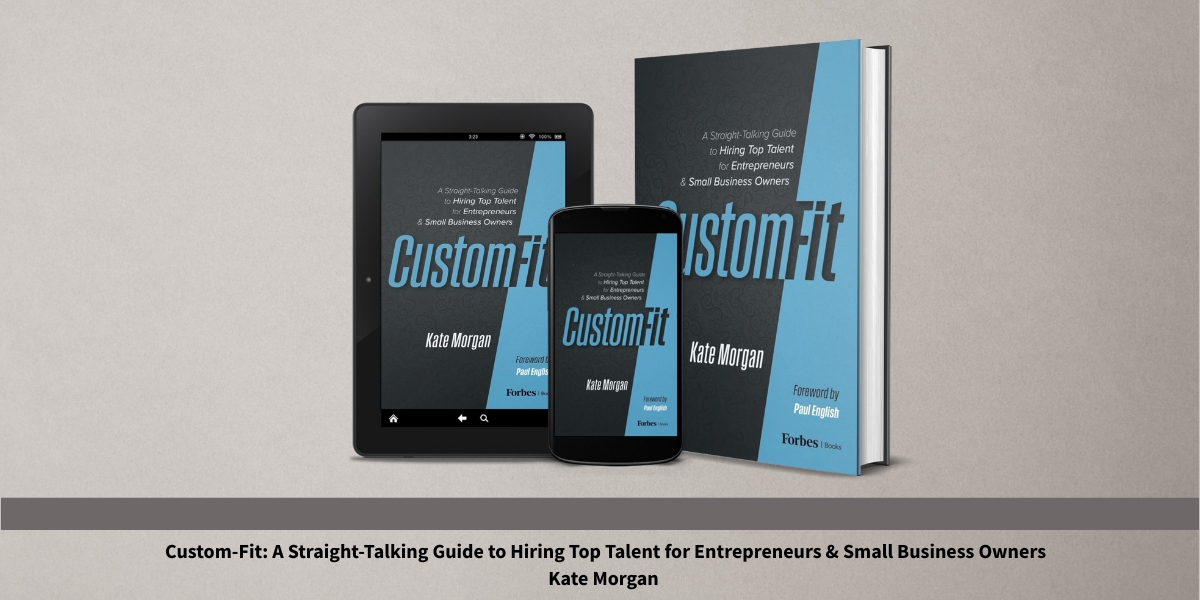
Get your copy of Custom-Fit: A Straight-Talking Guide to Hiring Top Talent for Entrepreneurs & Small Business Owners on Amazon.