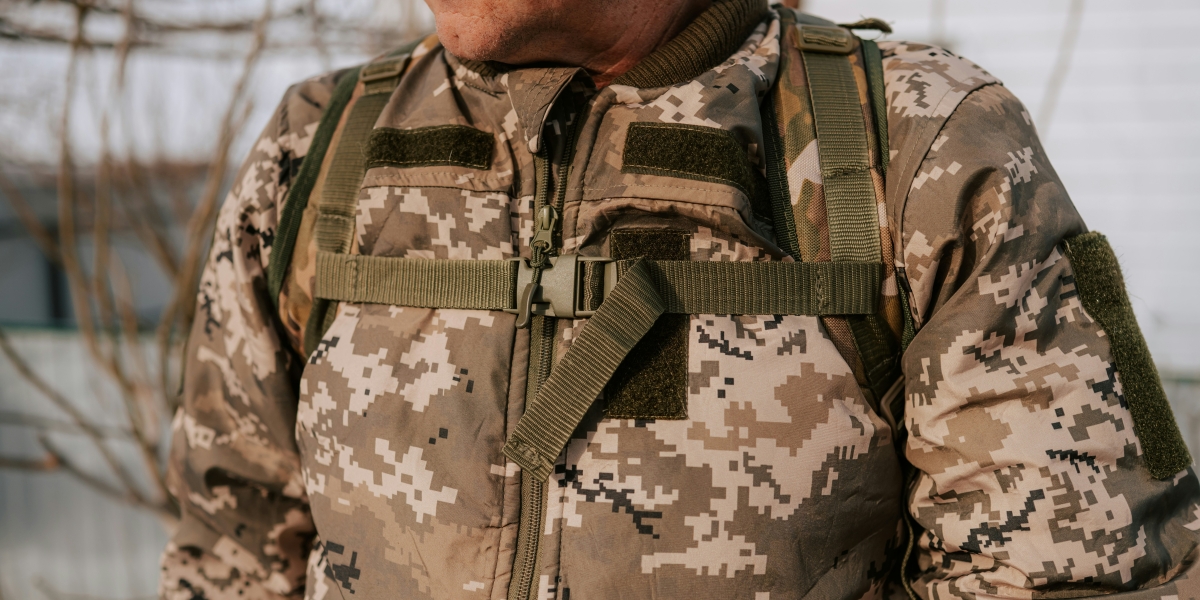

Anyone who has spent enough time around tactical and outdoor gear can recognize when a brand understands its customer versus when it is only borrowing the look of the category. The difference often shows up in places many consumers rarely inspect. Stitching. Material choices. Hardware placement. The way a chest strap is reinforced in an area that may not seem obvious at first, but matters when the product is carried under weight.
Deliberate Dynamics is one of those brands. Veteran-owned and focused on tactical equipment and apparel for law enforcement, military, government contractors, and serious outdoor users, the company appears to be built around a practical idea: gear used in demanding environments should be designed with reliability, function, and field conditions in mind.
That premise changes how a business thinks about product development.
The Buying Decision When Conditions Are Demanding
Many e-commerce operators spend their time looking at conversion rate, average order value, and time on site. Those numbers can matter in retail, but they do not fully explain how buyers evaluate gear intended for demanding use.
A customer shopping for tactical apparel, outerwear, or load-carrying equipment may be asking different questions. Will the seam hold under weight? Will the buckle function when wet? Will the pack keep its shape during movement? Those questions matter more when the gear is a tactical backpack built for field use rather than a commuter bag dressed up in MOLLE webbing. Will the materials remain practical across long days, rough terrain, changing weather, or repeated use?
Those questions are not answered by marketing language alone. They are answered through product design, testing, material selection, and feedback from people familiar with the conditions the gear may face.
The B2B to Direct Pipeline Many Brands Miss
The defense and law enforcement equipment market can be difficult for individual buyers to access. Institutional purchasing often moves through procurement channels, approved vendor systems, and agency-specific processes that differ from standard consumer ecommerce.
Deliberate Dynamics appears to approach the category from another angle. The company makes tactical and technical gear available through a direct online store, giving individual buyers access to products often associated with professional use. That may include active-duty personnel buying personal gear, contractors preparing for work, law enforcement professionals shopping outside standard-issue options, or civilians who value equipment designed for demanding conditions.
That distinction matters. Some tactical-inspired gear sold to general consumers is designed around appearance first. Professional-grade apparel and equipment often focus more closely on material performance, movement, weather protection, load carriage, and durability. When that type of gear becomes available through regular online shopping, it creates a bridge between institutional markets and individual buyers.
What This Teaches Anyone Building a Category Brand
There is a pattern here that applies beyond tactical gear.
Many brands try to grow by moving more broadly. More products, more audiences, more categories, and more attempts to capture every possible buyer. That can increase reach, but it can also weaken the brand’s original identity. Loyal customers may start looking elsewhere when a company no longer feels focused on the use case that attracted them in the first place.
Stronger category brands often go deeper instead. They focus on a specific customer and keep the product roadmap tied to real problems that the customer faces. That approach may feel narrower, but it can also create a clearer position in the market.
Deliberate Dynamics fits that pattern. The catalog reads as if it were shaped around tactical use, outdoor functionality, and professional expectations rather than general lifestyle trends. The focus remains on apparel, packs, outerwear, accessories, and equipment designed for demanding environments.
That kind of focus gives the brand a clear identity in a crowded category.
The Trust Economy
Selling tactical gear requires trust. Customers in this category often rely on recommendations from peers, colleagues, and people with firsthand experience using the equipment. If a product does not meet expectations, word can travel quickly within a close professional or enthusiast community.
The opposite is also true. When gear performs well across repeated use, that experience can carry weight. A vest that holds up through heavy wear, a pack that keeps functioning through travel and field conditions, or a jacket that remains practical in difficult weather can become part of the conversations buyers trust more than standard advertising.
That kind of reputation is difficult to manufacture. It depends on consistent product quality, accurate descriptions, realistic expectations, and a willingness to keep improving based on user feedback.
That is where Deliberate Dynamics seems positioned. Rather than presenting tactical gear as a costume or trend, the brand centers its catalog on equipment built for people who care about function, fit, and reliability.
It may be a more focused business model than a broad lifestyle play, but in a category where buyers pay close attention to performance, focus can be a meaningful advantage.