
The Leadership Vision
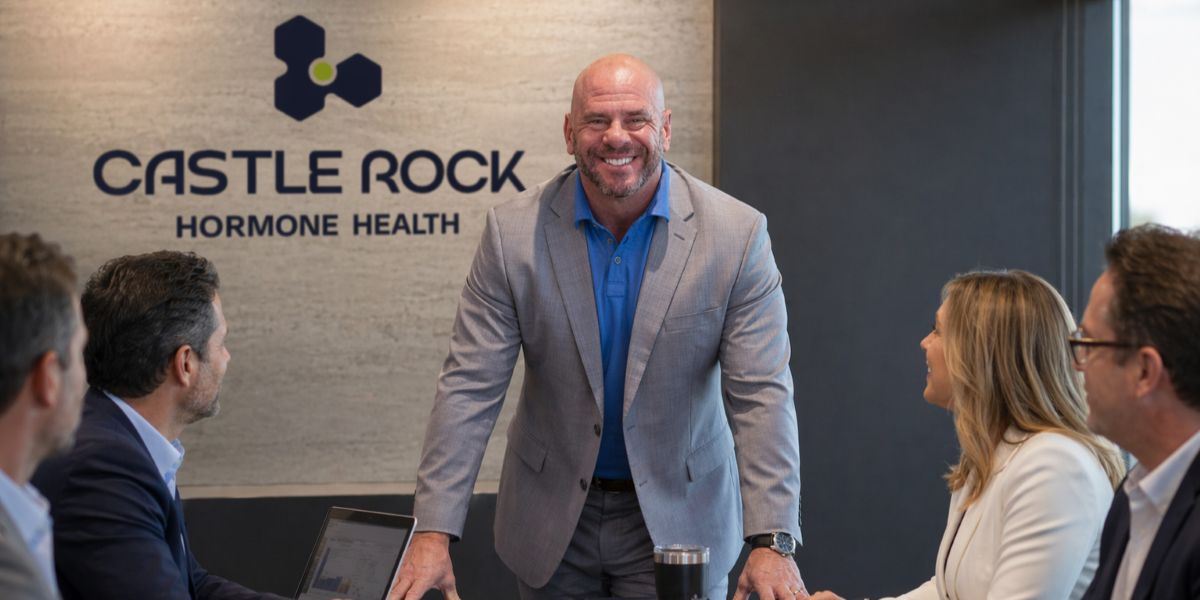
As preventive health, personalized care, and longevity-focused services continue to gain traction, a growing number of healthcare brands are rethinking how wellness can be delivered at scale. In that environment, Castle Rock Hormone Health is positioning itself as a modern healthcare platform built around clinical consistency, operational infrastructure, and a patient experience designed to feel both structured and personal.
Rather than framing care as a series of isolated appointments, Castle Rock Hormone Health presents its model as part of a broader shift toward ongoing engagement. The company’s approach centers on medically guided services, including hormone optimization, weight management, peptide therapy, and other wellness-focused offerings delivered through a franchise system intended to support expansion without losing cohesion.
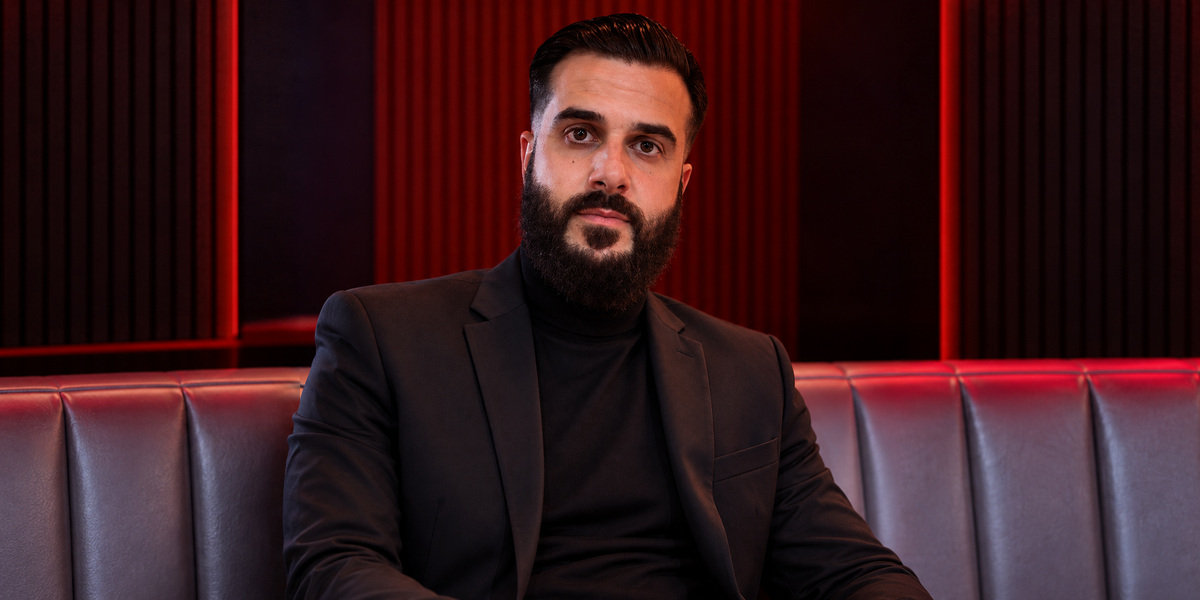
At the center of that expansion is Christopher Stolzman, CEO of Castle Rock Hormone Health, who sees scale not as a matter of footprint alone, but of alignment. “Scaling healthcare requires alignment between clinical standards, operational systems, and franchise support infrastructure,” Stolzman says. His perspective reflects a larger leadership philosophy inside the company: growth is only sustainable when every new location reflects the same standards, processes, and patient-first mindset.
That mindset traces back to Dr. Lee Moorer, Castle Rock Hormone Health Co-Founder and CMO, whose medical framework helped shape the brand’s foundation. According to the company, Moorer’s protocols were developed to bring consistency, oversight, and ethical discipline to a category that often competes on marketing language as much as medical credibility. In Castle Rock’s positioning, that clinical structure is what allows the brand to expand while maintaining a unified standard of care.
Building for Scale
Leadership at Castle Rock describes healthcare as a longer-term relationship rather than a reactive transaction. The company says its clinics are designed to emphasize consultation, monitoring, education, and continuity, giving patients a clearer understanding of the services being offered and the role those services may play within a broader wellness strategy. That framing places Castle Rock within the expanding longevity economy, where consumers are increasingly seeking more personalized and prevention-oriented options.
Turning that philosophy into a scalable platform depends heavily on operations. Tyler Altenhofen, Chief Growth Officer and Co-Founder of Franchise Sidekick, plays a central role in building the systems that support expansion across markets. “Ensuring every prospect has been vetted for financial readiness and operator fit are essential to supporting franchisee success in emerging healthcare categories,” Altenhofen says.
Under that model, replication is not treated as sameness for its own sake. Instead, the goal is to create a consistent operating environment across locations while still allowing local teams to build relationships within their communities. Training, onboarding, compliance support, and ongoing guidance all contribute to what the company presents as a disciplined growth framework for franchisees entering a specialized healthcare category.
Recurring Revenue Advantages
Recurring membership programs are another important part of that framework. Rather than relying entirely on one-time visits, Castle Rock’s model is structured around continuity, which can support more predictable scheduling, staffing, and business planning. From the company’s perspective, that recurring rhythm also helps reinforce accountability and ongoing communication between clinics and patients.
Over time, that continuity becomes more than an operational advantage. It supports a model in which patient relationships are built through consistency, follow-up, and familiarity rather than isolated transactions. In a category increasingly shaped by trust and personalization, that type of recurring engagement can become a meaningful differentiator.
Cash-Pay Model Simplicity
The cash-pay structure further simplifies the operational model. By removing the administrative demands associated with insurance billing and reimbursement cycles, Castle Rock says its clinics can devote more attention to consultations, patient education, follow-up communication, and service delivery. In practical terms, that allows the business to operate with greater clarity while keeping the patient experience more straightforward.
According to the company, leadership is focused on continued expansion, with plans to broaden the company’s national footprint through 2026. Those plans, as presented by the company, reflect its view that a membership-based, cash-pay healthcare platform can provide both operational visibility and room for disciplined national growth.
Operational Standardization
Still, scale in healthcare depends on more than economics. Castle Rock’s leadership has placed strong emphasis on standardization at the experience level, not just the procedural one. The company says staff are trained not only in workflows and service delivery, but also in communication, consistency, and patient interaction, with the aim of creating a recognizable experience across locations.
That emphasis on consistency is supported by centralized systems that connect clinics back to the broader organization. According to the company, those systems help leadership monitor operational performance, patient engagement, and treatment-related data across the network. In that sense, each clinic functions as part of a larger platform rather than a standalone outpost.
Strategic Partnership Role
Strategic support also extends beyond the clinic walls. Franchise Sidekick serves as a key growth partner in areas such as real estate coordination, licensing, and franchise marketing support. That relationship is designed to give franchise owners structure as they launch and grow, while keeping the brand aligned around shared standards.
The commercial side of expansion is also supported by a business development department, whose role helps connect growth strategy with market execution. Together with the broader leadership team, that function helps translate the brand’s operating model into new territories while preserving consistency in how Castle Rock is introduced, developed, and supported.
Long-Term Opportunity
Over the long term, Castle Rock is not simply pursuing more locations; it is participating in a wider transformation in how healthcare is positioned. As personalization and preventive care continue to shape consumer expectations, brands that combine clinical oversight with operational discipline may be better positioned to grow responsibly. Castle Rock’s leadership appears to be building around that premise, arguing that modern healthcare platforms must balance science, systems, and human connection.
In that respect, Castle Rock Hormone Health is presenting itself as more than a wellness franchise. It is, according to the company, a structured platform for delivering longevity-focused care in a way that is repeatable, patient-centered, and operationally scalable. As the category evolves, that combination may prove to be one of the clearest differentiators in a market increasingly defined by personalization, continuity, and trust.