
Balancing growth with disciplined capital management is one of the defining challenges in modern entrepreneurship. This is typically the case in capital-intensive industries like real estate and private equity.
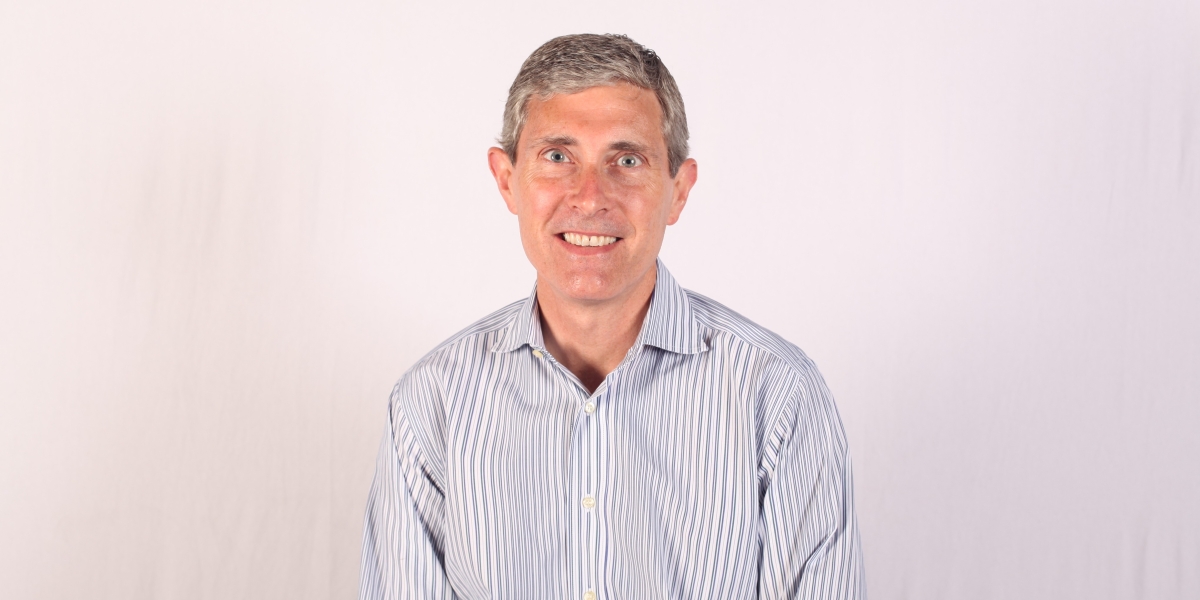
One notable leader in this sector is Rich Turasky. Like many who’ve succeeded over the decades, Rich doesn’t rely solely on aggressive expansion, but also on structured decision-making, operational clarity, and realistic performance modeling.
Rich has exemplified this philosophy for over 30 years. His lengthy career has consistently been characterized by a measured approach that prioritizes people, process, and performance alignment.
People as Strategic Assets
For Rich, sustainable growth begins with assembling the right team. He always looks beyond credentials, viewing talent as the ability to align with long-term objectives and execute under pressure.
Rich emphasizes that the wrong personnel can derail even the most promising investment strategy. His own high-performing organizations have always focused on recruiting individuals who understand both operational detail and broader financial goals, ensuring cohesion across leadership and execution layers.
Process Over Impulse
In fast-moving markets, there is often pressure to act quickly. But disciplined investors like Rich Turasky have learned to rely on repeatable processes rather than instinct alone. Throughout his career, structured underwriting, due diligence protocols, and risk assessment frameworks have all served as safeguards against volatility.
Rich insists that reinforcing that growth without process introduces unnecessary exposure. For this strategic investment specialist with extensive large-scale asset management experience, well-defined systems improve decision quality and enhance scalability across multiple investments and markets.
Reality-Based Underwriting
One of the most common pitfalls in expansion strategies is overly optimistic forecasting. For Rich, conservative underwriting isn’t necessarily about avoiding opportunity, but pricing risk accurately. He reminds us that assumptions around revenue, occupancy, or market trends should always be grounded in data rather than ambition.
Rich’s approach and disciplined mindset have paid off frequently. In commercial real estate, where market cycles can shift rapidly, he insists that performance expectations should be achievable under varying conditions, not just ideal scenarios.
Maintaining Control While Scaling
Growth always introduces complexity. As portfolios expand, maintaining oversight becomes increasingly difficult without proper systems and leadership structures.
Like Rich, entrepreneurs who’ve scaled successfully invested in infrastructure early. Financial controls, reporting systems, and operational benchmarks have all strengthened his companies’ internal capacity, contributing to a balanced approach that aligns with his expansion efforts. Consequently, he has frequently maintained his margins and avoided operational inefficiency.
Long-Term Value Over Short-Term Gains
Rich advises adopting a disciplined capital strategy to ensure long-term value creation. This typically involves prioritizing stability, tenant relationships, and asset performance over quick returns.
Rich’s own career reflects a consistent focus on sustainability. By building portfolios that perform across cycles rather than chasing short-lived opportunities, he has helped strengthen the broader ecosystem of stakeholders while benefiting his investors.
For Rich Turasky, balancing growth with capital discipline is an ongoing strategic exercise rather than a static formula. With his continued commitment to clarity in execution, realistic expectations, and structured decision-making, he demonstrates that enduring success is built not just on speed but also on precision and consistency.
Disclaimer: The information provided is for general informational purposes only and should not be construed as investment advice. Always conduct your own research or consult with a qualified professional before making financial decisions.