
By: Alyssa Miller
Most CEOs know their personal brand matters. Fewer know how to build one that actually drives business results. According to Zachary Bernard, Founder of We Feature You PR, the problem is not a lack of expertise; it’s a lack of the right channel.
“CEOs are some of the most knowledgeable people in any room,” Zachary says. “But they spend all their time behind closed doors, in board meetings, on calls. Their expertise never reaches the people who need to hear it. Podcasts change that equation entirely.”
Since founding his podcast booking and production agency in 2021, Zachary has helped place business leaders on over 700 shows. Zachary has seen clients who started with little industry visibility build genuine authority through consistent podcast appearances, not through paid advertising or ghostwritten articles, but through authentic conversations on podcasts their ideal clients already listen to.
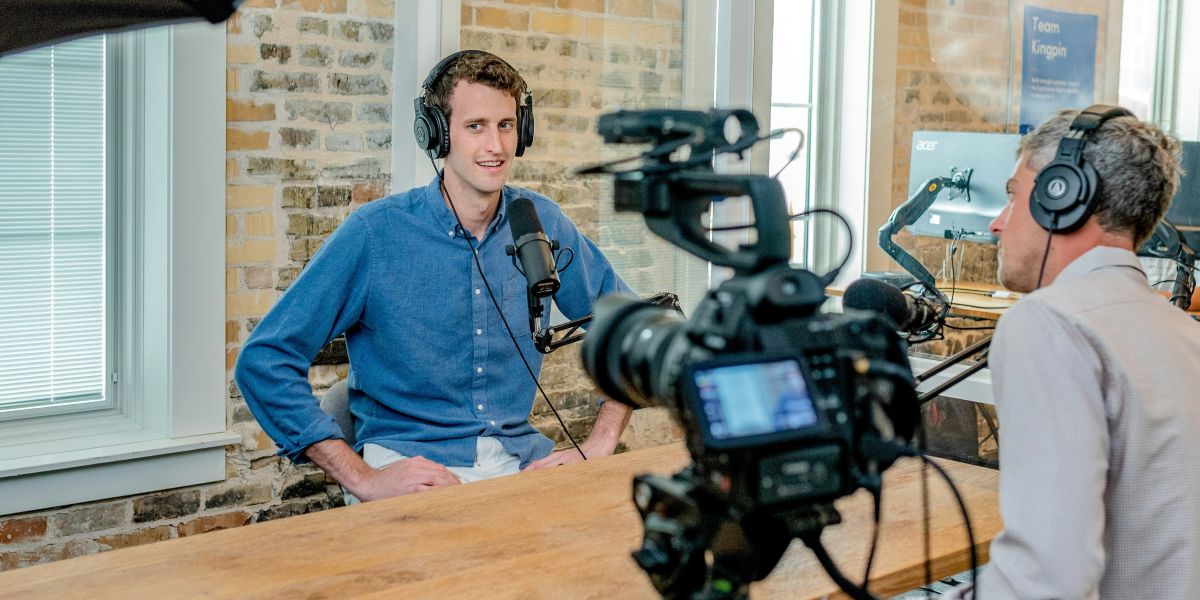
The appeal for CEOs specifically, Zachary argues, is that podcasts reward depth over brevity. Unlike social media, where complex ideas get compressed into short posts, a podcast interview gives a leader 30 to 60 minutes to articulate their perspective, share the reasoning behind their decisions, and demonstrate the kind of thinking that builds real trust.
“A CEO can post a hundred times on LinkedIn and still feel like they’re shouting into the void,” Zachary explains. “But one strong podcast appearance, where they’re genuinely helpful and share something the audience can apply, that creates a connection no algorithm can replicate.”
Zachary is quick to point out that effectiveness requires strategy. Appearing on any show that will have you is not a personal branding strategy. The shows need to align with your expertise and attract the kind of audience that would eventually become a client, partner, or advocate.
“I see leaders waste months chasing the biggest shows with the largest audiences,” he says. “A niche podcast with 100 listeners who match your ideal client profile is worth more than a general-interest show with 10,000 listeners who will never buy from you. Be strategic about where you show up.”
Preparation also separates effective guests from forgettable ones. Zachary advises CEOs to arrive at every interview with a few well-developed stories, not scripted answers, but real-world examples that illustrate their philosophy. Stories about failures, pivots, and lessons learned resonate far more than polished success narratives.
“Vulnerability is massively underrated in CEO branding,” Zachary notes. “Audiences connect with leaders who admit what didn’t work and explain what they learned. That’s what makes someone relatable and trustworthy, not a list of achievements.”
The downstream effects extend well beyond brand awareness. Zachary’s clients regularly report that podcast appearances shorten sales cycles, attract inbound partnership inquiries, and generate speaking invitations. Prospects arrive at sales conversations already familiar with the CEO’s thinking, which removes the need for extensive credibility-building.
“When someone listens to you for 45 minutes and then reaches out, that’s not a cold lead,” Zachary says. “That’s someone who already trusts you. The sales conversation is fundamentally different.”
For CEOs hesitant to invest the time, Zachary frames it simply: one hour of recording, strategically repurposed, can produce more meaningful business development than weeks of traditional outreach.
“Your voice is your most powerful marketing asset. Most CEOs just haven’t used it yet. Podcasts give you the platform to change that, and the results speak for themselves.”