
By: Alexandra Perez
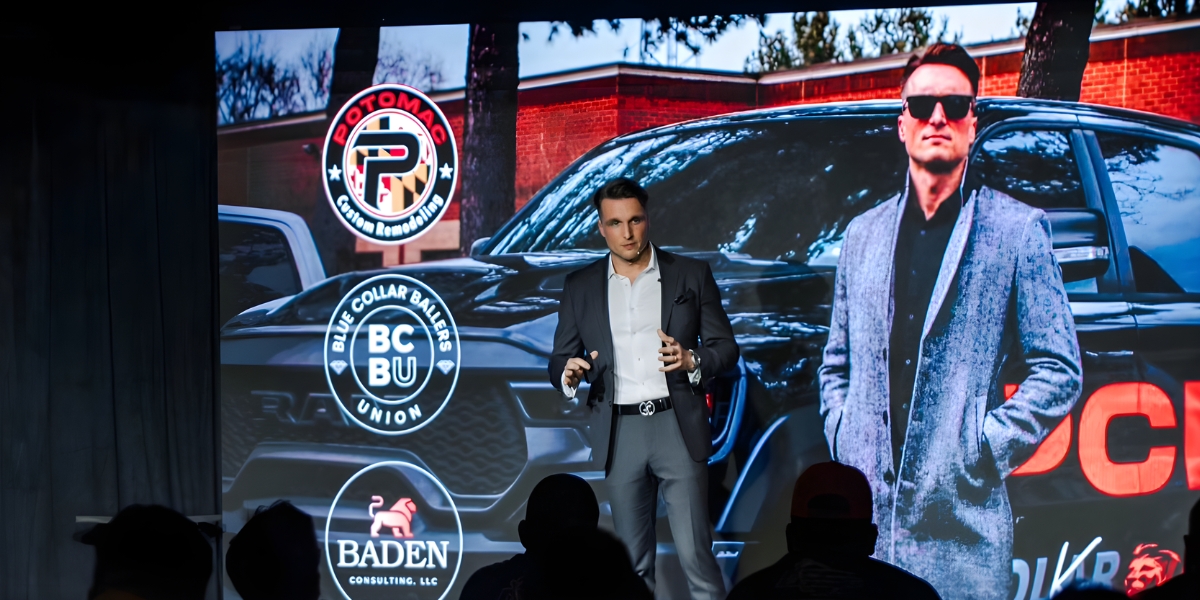
Ken Baden knows that a house can hide expensive truths behind an ordinary exterior. After almost two decades in remodeling, he has learned that the real danger is often not the damage itself but the false confidence around it: the cheap bid, the vague warranty, the neighbor who says he can handle it. Baden’s philosophy starts with protection, not polish. As he says, “What folks don’t know is what gets them in trouble.” It is a line that explains more than his sales approach. It explains the moral center of his work. For Baden, a home is not a quick transaction. It is a family’s biggest asset, and trust is part of the build.
He speaks with unusual bluntness about an industry that too often rewards shortcuts. Licensing, insurance, manufacturer certifications, and enforceable warranties are not box-checking exercises to him. They are the difference between recourse and regret. Baden has seen homeowners chase the lowest price, only to lose every protection that would matter if the work failed. He has also seen legitimate contractors race each other downward until quality disappears. That is the game he refuses to play. He would rather lose a job than win it by pretending premium work can be delivered at bargain rates.
That conviction was built over years of doing nearly every job the business offers. Baden’s path ran through labor, installation, project management, sales, consulting, marketing, and leadership roles long before Potomac Custom Remodeling opened in 2020. His father, who did decks and remodeling work years ago, made sure he understood what hard work felt like with his hands before he learned how to sell it with words. Later, a minor in marketing helped round out the picture. By the time Baden launched his own company, he was not chasing an image of the industry. He understood the mechanics, the people, and the consequences when something goes wrong.
What caught him off guard was the emotional burden of entrepreneurship. Potomac Custom Remodeling began lean, without the cushion of big capital, which meant Baden was not just building a company. He was asking people to trust a vision that had not proven itself yet. One of the first men to follow him had a wife and four children. That decision changed how Baden understood leadership. He knew how to survive hardship himself. What he could not shrug off was the thought of another family depending on him to get it right. In those early days, he remembers praying, “Don’t let me let these guys down.” That sentence still echoes through the culture he is building now, where loyalty is earned by responsibility, not slogans.
It also explains the way he talks about business ownership. Baden has watched an owner pull up in a Bentley while crews wondered whether payroll would clear, and he has no patience for that kind of leadership. In his view, the people who install, sell, and serve should never be treated as an afterthought. A company that protects its own people is more likely to protect its customers well. That belief shapes everything from hiring to pricing. Baden is upfront that Potomac Custom Remodeling will not be the cheapest option. He is equally clear about why: he wants the product, service, and warranty to last longer than the sales pitch.
His strongest practical advice centers on roofs, the part of the home people ignore until the problem becomes impossible to ignore. Baden sees homeowners pour money into visible wants while postponing the hidden systems that keep the house secure. A new bathroom may be more exciting than a roof replacement, but a failing roof can destroy insulation, invite structural damage, complicate insurance coverage, and turn a manageable repair into a crisis. He sees the same pattern in underinsulated attics, aging windows, and siding choices made only for appearance. The common mistake is not vanity so much as timing. People wait until need becomes emergency, then wonder why the bill feels brutal. Baden has spent his career trying to stop that cycle before it starts.
Still, there is nothing cold about his approach. Baden understands that homes are emotional, and even good decisions can feel different once they are built and standing in daylight. He has worked with clients who changed their minds after seeing a color or design choice in place. When that happens, he tries to solve the problem without pretending business realities disappear. That balance, firm but fair, may be one of his clearest strengths. He is not chasing perfection or dominance in every conversation. He is trying to be honest enough that homeowners know what they are buying and why it matters.
Now he is pushing outward, with Maryland and Delaware active, Pennsylvania underway, Virginia in sight, and bigger expansion plans stretching along the East Coast. Baden talks about growth with the same mix of ambition and discipline that defines the rest of his story. He wants his company to scale, but not at the expense of the values that built it. His goal is unapologetically large: “Our aim truly is to be a top five remodeling company in the United States.” It is a bold statement, yet it feels credible because it rests on something sturdier than hype. In an industry crowded with noise, the rarest thing Baden offers may simply be this: a business built to deserve belief. That is what makes Ken Baden memorable.