
By: Alva Ree
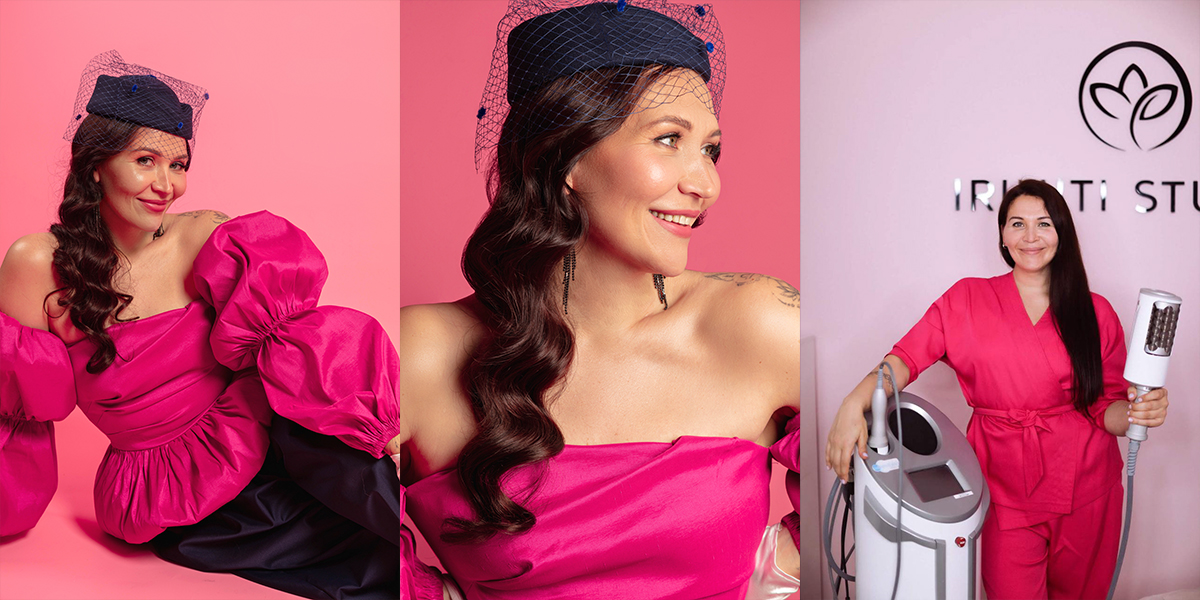
Mira Moore is a New York-based body restoration specialist and massage educator with more than 20 years of experience working with the female body. She developed a proprietary body-restoration method that combines manual therapy, safe, device-based technologies, and therapeutic body wraps to support tissue recovery and body contouring. Moore also trains practitioners in advanced techniques focused on individualized body analysis and personalized treatment programs.
In recent years, medications such as Ozempic and other GLP-1 drugs have dramatically changed the conversation around weight loss. Originally created for the treatment of diabetes, these medications are now widely used for rapid weight reduction.
While many people celebrate the scale numbers dropping quickly, specialists in aesthetics and body restoration are noticing another side of the trend. Rapid weight loss may affect skin elasticity, muscle tone, and overall tissue quality.
Some professionals now refer to these changes as the “Ozempic body.” According to New York-based body restoration specialist Mira Moore, this phenomenon is creating a growing need for specialists who can restore the body after significant weight changes.
Q: What do you mean when you talk about the “Ozempic body”?
The term refers to the changes we often see after rapid weight loss. People lose weight quickly, but the body does not always adapt at the same pace. Skin can lose elasticity, connective tissue becomes looser, and muscle tone may decrease.
As a result, the body may appear less structured or toned, even though the person has successfully lost weight.

Q: Why do these changes occur?
When weight loss happens quickly, the skin and connective tissue don’t always have enough time to adapt to the new body volume. Collagen and elastin need time to reorganize.
Another factor is that many people lose not only fat but also muscle mass, especially if weight loss is not combined with physical activity. This can affect the body’s overall firmness.
Q: What concerns do clients usually have after rapid weight loss?
Many women come to me because they feel their body has changed in ways they didn’t expect. They notice loose skin, reduced muscle tone, and a lack of firmness in areas such as the abdomen, arms, or thighs.
Even though they achieved their weight goal, they may feel that their body doesn’t look as balanced or toned as they hoped.
Q: How can body restoration help in this situation?
The most important step is understanding that there is no universal protocol. Everybody responds differently to weight loss.
In my practice, I always begin with a detailed body analysis. Based on the condition of the tissue, circulation, and skin quality, I create an individualized program that combines several methods.
Manual bodywork remains essential because the therapist’s hands allow us to feel how the tissue responds in real time and adapt the technique accordingly.
At the same time, modern technologies can significantly support the recovery process when used correctly.

Q: What technologies do you use as part of this approach?
For example, LPG technology works gently on the superficial layers of tissue and helps improve skin tone and elasticity without the aggressive wave-based energy. As a result, the risk of side effects is minimized while circulation and tissue quality improve.
Another technology, Endospheres therapy, helps stimulate microcirculation and can support muscle tone and tissue structure.
In addition, specialized body wraps can activate metabolic processes and improve skin firmness. When these elements are combined with manual techniques, they create a much more comprehensive approach to body restoration.
Q: Why is this combination of methods important?
The body is a complex system. To support real change, we often need to work on several levels: circulation, connective tissue, skin quality, and muscle tone.
Manual work provides the tactile understanding of the body, technologies help stimulate tissue processes, and wraps support metabolic activity. When used together, these methods help the body adapt more naturally to changes after weight loss.
Q: What advice would you give someone using GLP-1 medications for weight loss?
These medications can be very effective when used under medical supervision. However, it’s important to remember that weight loss alone does not guarantee a balanced or healthy body.
Supporting the body with proper nutrition, physical activity, and recovery therapies can significantly improve how it looks and feels after weight loss.
As GLP-1 medications continue to reshape the weight-loss landscape, specialists like Mira Moore believe the next step in wellness will focus not only on losing weight but also on restoring the body’s structure, health, and balance.
Disclaimer: The information provided in this article is for informational purposes only and is not intended as medical advice. Consult with a healthcare professional before beginning any weight loss, body restoration, or therapy program, especially when using medications like GLP-1 drugs. Results may vary based on individual health factors and lifestyle.