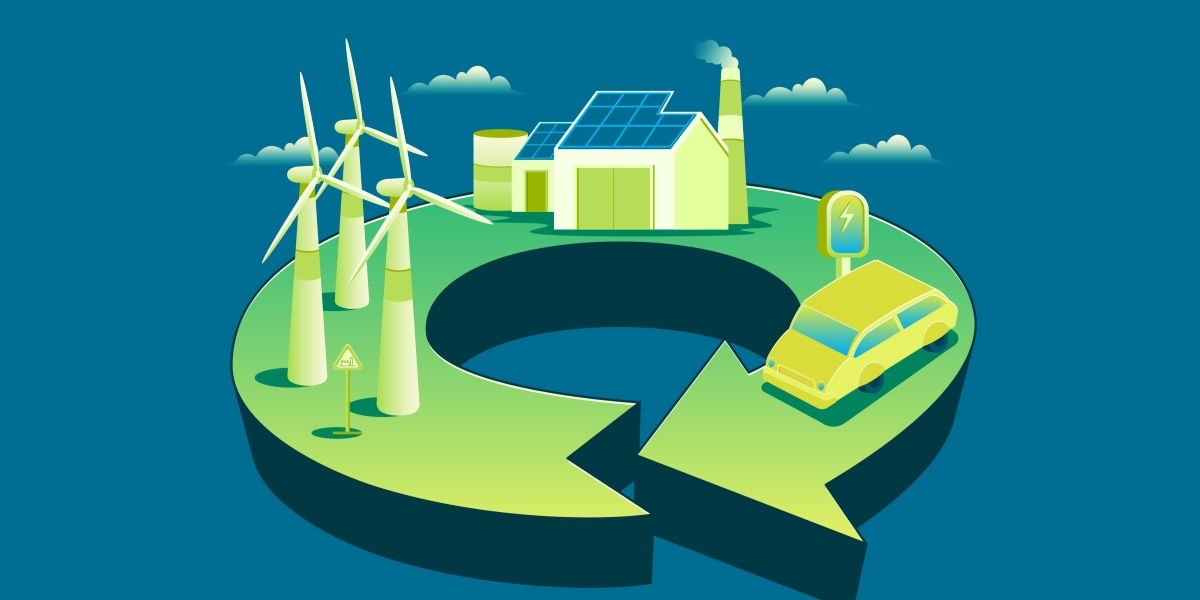

The oil and gas industry is evolving beyond traditional growth models toward a more disciplined, technology-driven approach. Here, we examine how operational intelligence, initiatives to retain sustainability, and strong leadership are shaping a more resilient and efficient energy sector. Modern energy companies are redefining performance by means of innovation and long-term strategic thinking. They are also adapting to changing environmental and market expectations.
Introduction
The oil and gas sector is entering a period of structural change. The conversation is no longer restricted to production volumes or reserve counts. It now centers on efficiency. It takes into consideration how everything has been digitized, how emissions are managed, and how resilient operations are.
Technology is molding the operations of energy companies. Data systems have improved drilling accuracy. Predictive maintenance has led to a significant reduction in downtime. Automation has ensured maximal safety. Environmental expectations have intensified at the same time. Companies are expected to operate responsibly while not allowing performance to dip.
A more disciplined approach to capital allocation is the need of the hour. The idea of “Smart Capital” stems from deploying resources with precision. This kind of precision is guided by data, operational insight, and long-term thinking. Companies such as Optimum Energy Partners throw light on how leadership, technology, and sustainability can converge to redefine how modern energy businesses operate.
From Production Focus to Operational Intelligence
Historically, growth in oil and gas was measured primarily by expansion. The dominant questions were simple: How can production increase? How can development accelerate?
The question today has changed slightly: How can performance improve without increasing risk or environmental impact?
Smart Capital shifts the emphasis from scale to intelligence. It prioritizes:
- Data-driven decision making
- Operational efficiency across asset lifecycles
- Risk mitigation through predictive modeling
- Balanced asset management
- Environmental risk reduction
- Strategic technology deployment
It is not limited to pursuing growth for its own sake. At the present age, forward-thinking operators focus on strengthening margins, improving asset longevity, and reducing operational friction. The resultant business model is built to last rather than remain suited to short-term expansions.
Why Agile Operators Are Driving Industry Change
Focused energy firms, which are smaller in size, have the benefit of structural advantages in periods of transition. They come with leaner decision chains and tighter integration between leadership and operations. This kind of structure enables them to adapt better and quicker to evolving regulatory standards.
Agility allows for:
- Faster adoption of digital systems
- Streamlined operational testing and deployment
- Targeted development of underutilized basins
- Flexible operational planning in response to market shifts
Optimum Energy Partners reflects this model. Its approach centers around disciplined operations. The development parameters are measured, and there is a chain of continuous process improvement. There is a greater focus on operational excellence rather than scale. This helps the company position itself to respond effectively to industry volatility and regulatory evolution.
Technology as a Force Multiplier
Technology is revolutionary and has therefore become foundational to modern energy operations. It ensures safety. There is a great reduction in waste with recent developments. As a result, there is improved performance visibility across assets. Some important advancements that are transforming the sector are as follows:
Machine Learning and AI Integration
Advanced analytics processes vast geological and production datasets, which allows forecasting to be more accurate, and ensures better reservoir management.
Remote Monitoring
Real-time tracking of well performance, which in turn lowers unplanned downtime and strengthens preventative maintenance strategies.
Digital Supply Chain Transparency
Improved tracking systems, which enhance accountability and maintain efficiency across vendor networks and operational inputs.
These tools are not replacements for operational expertise. They make it better and bring in more efficiency when integrated in the right manner. The resultant operating structure has more resilience and can easily absorb volatility without compromising productivity.
At Optimum Energy Partners, technology integration is not considered a separate initiative but is embedded into day-to-day operational practice. It allows leadership to make informed decisions based on real-time performance data.
Sustainability as an Operational Imperative
Environmental, Social, and Governance standards have been woven into the fabric of development and have ceased to remain in the periphery. Modern operational planning revolves around implemented standards of sustainability.
Sustainability is practical and geared towards measurable improvements, such as:
- Emissions monitoring and reduction strategies
- Water management and recycling systems
- Infrastructure upgrades that minimize environmental exposure
- Community engagement aligned with long-term development
Companies improve their viability in the long-run upon integrating these practices into core operations. Sustainability initiatives translate to operational efficiency. Reduced emissions have a direct correlation with reduced waste. Improved water stewardship takes costs down and limits operational risk.
Optimum Energy Partners and other companies of its like showcases how environmental discipline and operational performance walk hand-in-hand and reinforce one another. More than public messaging, the emphasis is on measurable operational outcomes.
Leadership and Long-Term Positioning
Transformation within oil and gas requires steady leadership. Vision alone is insufficient without operational execution. Derrick May, President and CEO of Optimum Energy Partners, approaches capital deployment as a function of discipline and alignment. The objective he follows is not rapid expansion but structural strength.
Effective energy leadership today requires:
- Alignment between technology and operations
- Clear environmental accountability
- Organizational discipline in resource allocation
- Continuous evaluation of risk exposure
- Transparent communication within teams
A leader who maintains visibility across both strategy and field execution creates coherence. Systems, people, and technology must function in concert. When they do, operational consistency improves, and long-term resilience follows.
The Future of Smart Capital in Energy
The next chapter of oil and gas will be defined more by integration. Companies that succeed in the long run will have one commonality- a cohesive leadership that brings together technology, sustainability, and operational discipline. Smart Capital represents this alignment. At the heart of it is intelligent resource deployment that, in turn, strengthens operational foundations.
As the broader energy transition unfolds, oil and gas will remain essential. The industry’s responsibility is to evolve responsibly while maintaining reliability. Organizations that integrate digital innovation, environmental accountability, and disciplined management will help define that evolution.
FAQs
Q: What role does Derrick May play at Optimum Energy Partners?
Derrick May serves as President and CEO. He oversees strategic direction. Under his guidance and operational discipline, there is efficient technology integration across the organization. His leadership is geared towards long-term stability.
Q: How is technology reshaping companies like Optimum Energy Partners?
Technology enhances data visibility. It also helps improve maintenance planning while strengthening environmental monitoring. The operational decision-making process becomes precise. When integrated correctly, it reduces risk while improving performance consistency.
Disclaimer: The oil and gas industry is subject to market fluctuations, technological advancements, and regulatory changes, all of which may impact investment outcomes. Always conduct thorough research or consult with a professional advisor before making any investment decisions.