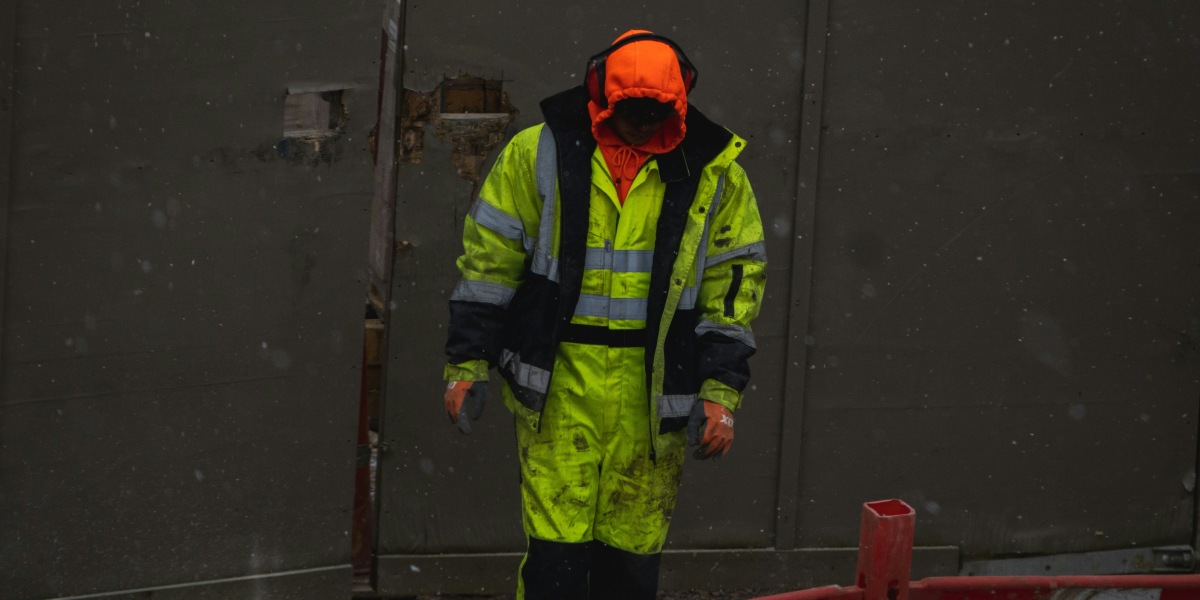

In demanding workplaces where safety, durability, and practicality intersect, clothing is more than just fabric — it’s equipment. Industrial work environments, from manufacturing plants to warehouses, require attire that can withstand harsh conditions while supporting the worker’s comfort and mobility. That’s where the proper industrial clothing plays a critical role. The right gear ensures workers can perform tasks efficiently without compromising their safety or comfort. It also helps reduce downtime due to injuries or discomfort, directly impacting productivity and overall work performance.
The evolution of industrial workwear has been shaped by both the rising complexity of job tasks and the growing awareness around worker safety. Workers face risks that include mechanical hazards, extreme temperatures, and chemical exposure. The gear they wear needs to be tough enough to withstand those threats without hindering performance. Over the years, materials and designs have adapted to meet these challenges, with modern workwear incorporating advanced fabrics and safety features. Innovations such as flame-resistant materials and moisture-wicking technology have become essential for protecting workers from workplace hazards. As industries continue to evolve, so too must the gear that keeps workers safe and efficient.
A report by the U.S. Bureau of Labor Statistics found that in recent years, nearly 40% of non-fatal workplace injuries involved hands, arms, and torsos — the areas typically covered by work shirts and uniforms. This statistic underscores the role that proper garments play in preventing injuries, making choices in industrial apparel not just a matter of comfort but also a safety strategy.
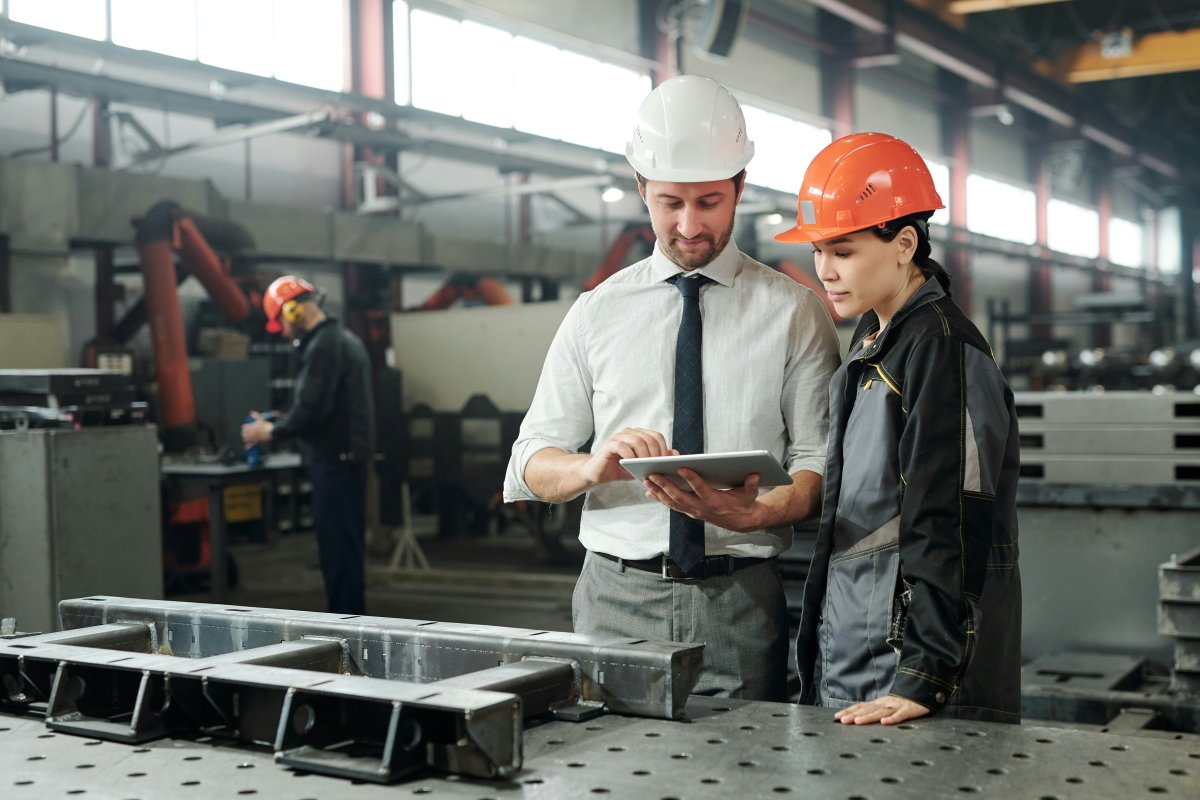
One of the defining features of high-quality industrial uniforms is the selection of materials. The fabrics used are often blends of cotton and synthetics, offering durability without excessive weight. Some are treated to be flame-resistant, moisture-wicking, or chemical-repellent, depending on the specific needs of the workplace. Equally important are features such as reinforced stitching, concealed closures, and ample pocket space, which enhance both resilience and utility. These thoughtful design choices ensure the uniform withstands the daily wear and tear of harsh environments. By prioritizing functionality and durability, these uniforms improve worker safety and productivity.
Functionality is vital, but comfort shouldn’t be underestimated either. Long shifts demand gear that allows for movement and breathability. Ill-fitting or overly stiff uniforms can cause discomfort, limit range of motion, and reduce productivity. That’s why more employers are paying closer attention to the ergonomics of industrial clothing — not just what it protects, but how it feels to wear over a ten-hour day. When workwear is designed with comfort in mind, workers can focus more on their tasks and less on adjusting their clothing. This shift toward ergonomic design is helping reduce fatigue and the risk of strain-related injuries.
One study published in Applied Ergonomics noted that ergonomically designed workwear led to an 18% improvement in worker efficiency and a noticeable decrease in fatigue over time. When clothing works with the body rather than against it, the results aren’t just felt physically — they’re seen in job performance.
Among the many providers stepping up to these functional and performance demands, Yurinox Workwear delivers industrial workwear designed with a strong balance of protection and comfort. Their range includes industrial shirts, pants, boots, and other industrial workwear suitable for both factory environments and industrial job sites. Informed by feedback from teams in multiple sectors, this workwear is engineered to handle the realities of daily labor without unnecessary bulk or excessive branding — a quality valued by professionals who prefer practicality over promotion.
It’s also worth noting the role of uniformity in industrial settings. Standardized work shirts and gear improve visibility and accountability on the floor. When everyone wears the same protective uniform, it’s easier to identify unauthorized personnel or respond swiftly in emergencies. It also adds a layer of professionalism and cohesion to teams operating in high-stakes environments. Uniformity fosters a sense of unity and team spirit, enhancing collaboration and communication among workers. Additionally, it reinforces the importance of safety by ensuring everyone is equipped with the same level of protection.