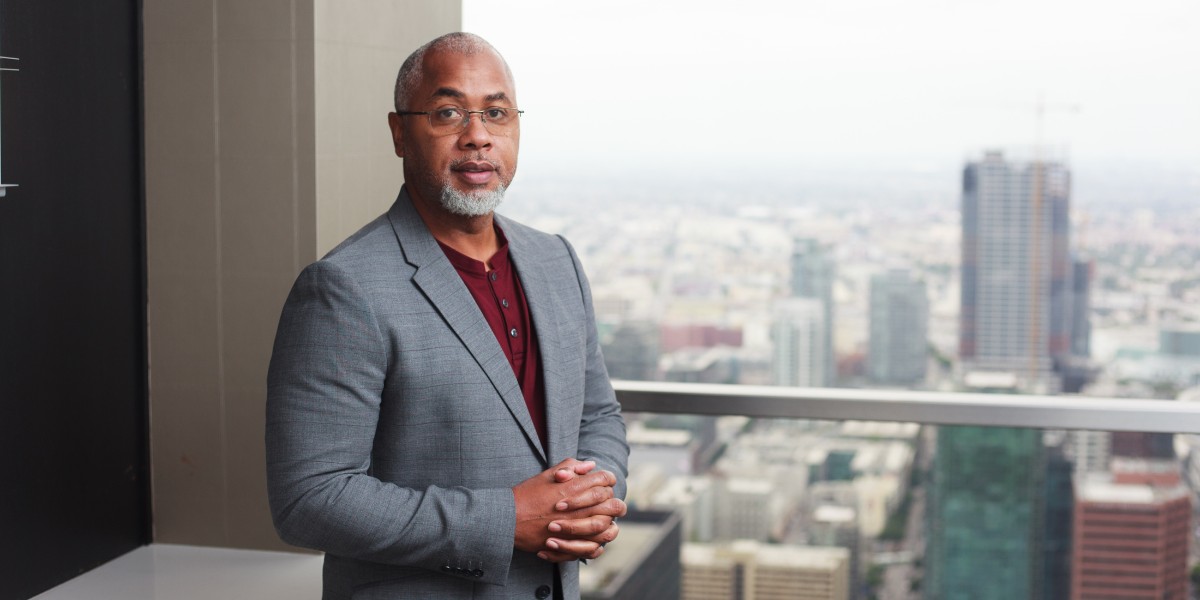

Modern business is experiencing a fundamental transformation where impact and income are no longer separate goals but interwoven elements of success. Yusef-Andre Wiley stands at the forefront of this evolution. As the Founder and Executive Director of Timelist Group, Inc., a reentry and housing organization, Wiley has built a model that challenges the outdated divide between nonprofit and for-profit paradigms. His approach represents what experts now recognize as the hybrid enterprise, where organizations are designed to blend mission-driven objectives with sustainable business strategy.
Wiley’s path to leadership was anything but conventional. After serving over two decades behind bars, he emerged with a renewed sense of purpose and a clear vision: to transform systems that failed him and countless others. That vision took shape as Timelist Group, a California-based organization dedicated to helping justice-involved individuals reintegrate into society through education, housing, and mentorship.
But beyond its humanitarian mission, Wiley’s organization demonstrates a sophisticated understanding of modern enterprise strategy. His model doesn’t rely solely on donations or grants. It leverages partnerships, consulting frameworks, and leadership programs to sustain growth and scalability. By doing so, Wiley has established an ecosystem where purpose drives performance, creating potential measurable outcomes for both individuals and institutions.
Defining the Hybrid Enterprise
A hybrid enterprise operates at the intersection of profit and purpose. It borrows the operational efficiency of the private sector while maintaining the moral and societal goals of a nonprofit. Timelist Group has exemplified this model by merging reentry services with professional development and organizational consulting.
Through his collaboration with thought leaders from the John Maxwell Team and TEDx, Wiley has positioned his organization as a social impact consultancy that equips both individuals and organizations with the tools to thrive. The programs he has developed go beyond rehabilitation, focusing instead on leadership cultivation, emotional intelligence, and growth mindset training, mirroring the key themes of his book, What I Know Now: The Guide to a Growth Mindset.
This adaptive model reflects the growing movement of 21st-century enterprises that reject traditional silos. Today’s organizations, like Timelist Group, are redefining what it means to be sustainable by anchoring growth in empathy, empowerment, and measurable social outcomes.
Growth Mindset as a Business Strategy
At the heart of Wiley’s model is the concept of a growth mindset. The belief that potential is not fixed but cultivated through effort, feedback, and resilience. It’s a philosophy that guides his work as a keynote speaker, consultant, and organizational strategist.
This growth-mindset philosophy also translates into his organizational design. By prioritizing continuous learning and accountability, his programs equip formerly incarcerated individuals with skills to succeed in the modern workforce. This approach not only changes lives but also strengthens communities, helping guide personal redemption towards possible systemic reform. His earlier book, If I Knew Then: Life of Yusef-Andre Wiley, offers a personal lens into this evolution, chronicling his journey from incarceration to empowerment.
A Model for the Future of Business
Wiley’s impact extends beyond social services as it offers a potential blueprint for how businesses of all kinds might thrive in a purpose-driven economy. His hybrid enterprise model underscores the idea that doing good and doing well are not competing objectives but mutually reinforcing strategies. By blending strategic planning, operational structure, and moral clarity, Timelist Group demonstrates that the future of enterprise lies in adaptability and authenticity.
This model resonates especially in an era where consumers, investors, and employees expect organizations to stand for more than profit. Hybrid enterprises are bridging that gap, offering a roadmap for sustainable capitalism.
More than a leader, Yusef Wiley has become a symbol of what it means to rebuild and reinvent. His life’s work demonstrates that personal transformation can scale into institutional change when guided by courage and strategic thinking.
As society continues to redefine what it means to lead, Wiley’s journey offers both inspiration and instruction: success in the 21st century isn’t about choosing between doing good and doing well—it’s about building systems where both can coexist and thrive.