
By: Jenny Rodriguez
Monali Jain‘s approach to artificial intelligence in aerospace combines an unusual mix of practical flying experience with advanced software engineering, creating AI systems that account for the harsh realities of space operations. Her work has gained recognition through her company’s deployment of AI systems across multiple autonomous aerospace projects, demonstrating that theoretical research can translate into commercial success when informed by hands-on experience.
Before focusing on autonomous aerospace applications, the engineer’s background spans multiple industries, from internet technologies to mobile to digital payments to enterprise digital transformation. This diverse technical foundation allows her to incorporate proven methodologies from various sectors into aerospace-specific solutions. Her credentials as a licensed pilot and skydiver offer valuable insights into operational challenges that purely academic approaches often overlook.
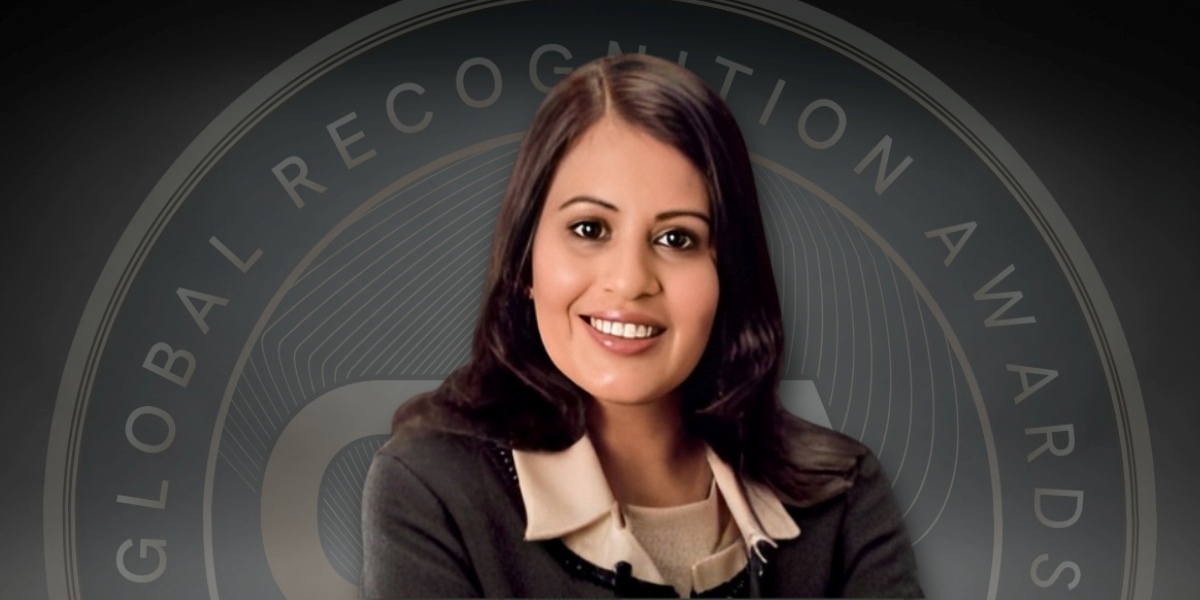
Jain recently received a 2025 Global Recognition Award for her contributions to AI implementation in autonomous aerospace vehicles. The award, evaluated using the Rasch model measurement scale, recognized her achievements across innovation, leadership, and research excellence categories. Her work addresses critical challenges of reliability, decision-making, and system redundancy that have long complicated autonomous space operations.
Technology Framework Reshapes Industry Understanding
Jain’s AI Architecture for Autonomous Vehicles Manifesto has become a reference point for aerospace engineers and AI specialists worldwide. The document provides foundational principles for implementing AI systems that can operate independently in space environments, addressing the technical complexities that arise when traditional computing systems face extreme conditions.
Her company has successfully deployed sophisticated AI implementation systems that showcase advanced machine learning algorithms capable of processing real-time environmental data and making split-second navigation decisions. These systems maintain integrity under conditions that challenge conventional computing approaches, demonstrating the viability of her technical methodology.
The successful deployment across multiple clients indicates market validation of her approach to autonomous vehicle AI systems. These implementations must operate reliably in mission-critical environments where system failures could result in catastrophic consequences for equipment and human safety, requiring a level of precision that few AI systems achieve.
Leadership Through Academic and Industry Engagement
Jain was the keynote speaker at Stanford Graduate School of Business International Alumni Reunion 2024, presenting her comprehensive vision for autonomous aerospace technology to distinguished alumni and industry leaders. Her presentation addressed technical complexities while exploring business implications, market opportunities, and strategic partnerships that will define the sector’s evolution.
This prestigious speaking engagement showcases her ability to communicate complex technical concepts to diverse audiences, creating thought leadership that influences academic discourse and industry direction. Her multidisciplinary expertise creates a competitive advantage that distinguishes her approach to autonomous aerospace development.
Her combination of hands-on aviation experience with cutting-edge software engineering capabilities covers multiple technological domains. As a licensed pilot in command, she brings invaluable insights into cockpit operations and human-machine interface design. At the same time, her skydiving experience offers a practical understanding of aerospace dynamics and safety protocols.
Market Success Validates Cross-Industry Approach
Before focusing on autonomous aerospace applications enabled by context business models, Monali Jain’s extensive technical background encompasses internet technologies, call center systems, mobile computing, cloud infrastructure, and digital payments. This comprehensive foundation informs her approach to AI system development, allowing her to incorporate proven methodologies from various industries into aerospace-specific solutions.
The diverse technical experience enables her to anticipate challenges and develop solutions that demonstrate superior performance characteristics compared to traditional single-industry approaches. Her systems benefit from decades of cross-industry technological advancement, resulting in more robust and reliable aerospace applications.
Her company’s achievement of generating multiple clients since launch demonstrates clear market validation of her autonomous vehicle AI systems implementation methodologies. The sustained client base indicates the technical superiority of her solutions and her ability to deliver consistent results that meet the stringent requirements of the aerospace industry while maintaining commercial viability. This proves that innovative AI applications can thrive when grounded in practical experience and rigorous technical expertise.