
By: Jastine Beatrice Yap
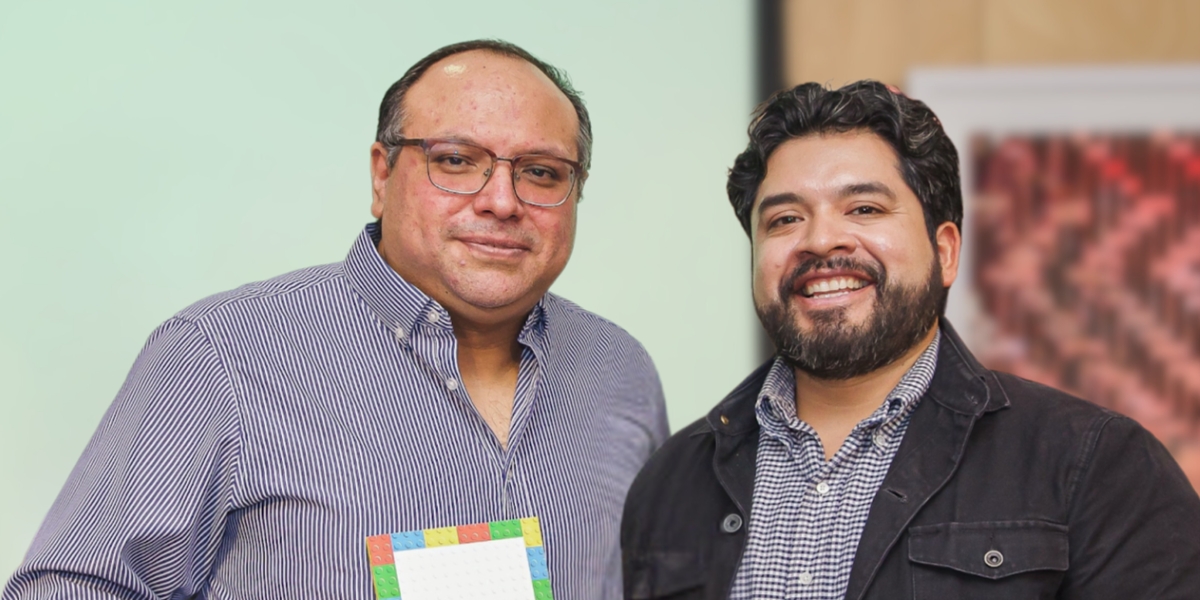
When a boardroom hears, “What is our AI strategy?” the pause often points to missing standards. Daniel Gomez and Alejandro Cuauhtemoc Mejia have observed leaders who guide billion-dollar decisions hesitate when artificial intelligence becomes a leadership test. Universities teach theory, boot camps teach code, and companies need to prove they are AI-ready, with leaders, governance, and processes that can withstand scrutiny.
A Standard for AI Readiness
Silicon Valley Certification Hub, often referred to as the ISO of AI for small and medium companies, provides a framework to help meet that need without claiming ISO status. It offers certification that validates whether a company can use artificial intelligence responsibly and effectively across its operations.
Executives often invest in elite programs, yet return with presentation slides instead of actionable plans. Others accumulate online certificates, yet still feel uncertain when speaking to boards about risks, controls, and value. This mismatch can lead to potential issues in markets where AI now requires a structured approach.
Recognition Across Sectors
The demand from governments, universities, and enterprise learning teams illustrates how AI literacy is increasingly seen as a necessity. Companies that hold an AI readiness seal can gain increased leverage with investors, regulators, and major clients. Procurement teams now ask for measurable controls around data, privacy, and model risk, and a third-party seal helps address those concerns in clear terms.
A McKinsey report indicates that 78 percent of companies use artificial intelligence in at least one function, with sixteen percent utilizing it across five or more of the eleven functions surveyed. The implication is clear: while technical pilots advance, strategy and oversight often lag. Silicon Valley Certification Hub aims to provide a clear standard so that scattered efforts can become more organized and cohesive.
Credentials That Matter
More than 3,000 executives from fifteen countries hold Silicon Valley Certification Hub credentials, and the organization reports thirty percent quarter-over-quarter revenue growth. Clients include Fortune 500 firms, public agencies, and venture-backed startups. This mix suggests that the need for AI readiness spans both mature industries and emerging companies.
The CAIO CP credential is now considered by many to be a significant factor in executive promotion pathways and public sector job criteria. Beyond individual badges, Silicon Valley Certification Hub encourages at least eighty percent of senior managers to pass ANSI-aligned exams. Each client receives an AI Readiness Scorecard that highlights strengths, identifies gaps, and offers near-term opportunities for improvement.
Built for Trust and Efficiency
Graduates often advocate for the programs, promoting adoption through word-of-mouth referrals. The certification process integrates artificial intelligence for diagnostics, process mapping, and real-time proctored exams. Mid-sized firms can typically complete certification for ten to twenty thousand dollars, with smaller companies paying less. These standards, once predominantly reserved for global corporations, are now accessible to businesses of various sizes.
This matters because certification covers the entire organization, rather than just individuals. Readiness becomes visible across business units and over time, helping companies win contracts, reassure boards, and prepare for audits in markets that increasingly ask for verifiable proof.
Global Reach and Academic Alliances
Silicon Valley Certification Hub certifies organizations across North America, Latin America, and EMEA. While contexts differ—Latin American firms face regulatory and data residency issues, while European companies operate under stringent compliance regimes—the standard is adaptable to these conditions while maintaining global credibility.
Input from alumni and professionals affiliated with prestigious institutions like MIT, Stanford, and the University of Chicago helps translate academic research into programs that companies can apply right away. Industry leaders from Google, Meta, Snowflake, and Bain also provide case experience, ensuring the relevance and practical application of the programs.
Certification at the Pace of AI
Traditional executive education operates on academic calendars, but AI evolves in line with product cycles. LinkedIn’s Work Change Report reveals that more than ten percent of professionals hired today hold job titles that did not exist in 2000, with the U.S. share at around twenty percent. The same report suggests that people starting their careers now will likely hold twice as many jobs across their lifetime as those who started fifteen years ago. This demonstrates why portable, widely accepted certification is increasingly important for employers seeking AI skills.
Boards and regulators demand proof of AI readiness. Uploading lecture slides was never enough. Silicon Valley Certification Hub answers this need with a digital, standards-based process, interactive tools, and credentials that hold weight with buyers, investors, and public bodies. A shared rubric helps legal, security, and product leaders communicate effectively during reviews.
What Comes Next
Credibility continues to outpace prestige, and structured readiness is replacing theoretical knowledge. With thirty percent quarter-over-quarter growth and a widening global footprint, Silicon Valley Certification Hub is meeting the demand for recognized proof of AI maturity at the organizational level. For SMEs looking to demonstrate responsible and strategic adoption, the editorial comparison to the ISO of AI is a fitting one. It reflects a model built to earn trust in markets that now assess AI readiness with increasing rigor.
The key takeaway for leaders is straightforward. Treat AI readiness as a company-wide mandate, not an afterthought. When the question “What is our AI strategy?” arises again, an audited seal can move the conversation from hesitation to action, showing that the organization is prepared to adopt artificial intelligence with discipline and practical business sense.
Disclaimer: This article is for informational purposes only. The views expressed are based on the author’s opinions and research. Silicon Valley Certification Hub is mentioned for its offerings and has not endorsed any claims or guarantees presented in the content. Always perform due diligence before making any business decisions or commitments.