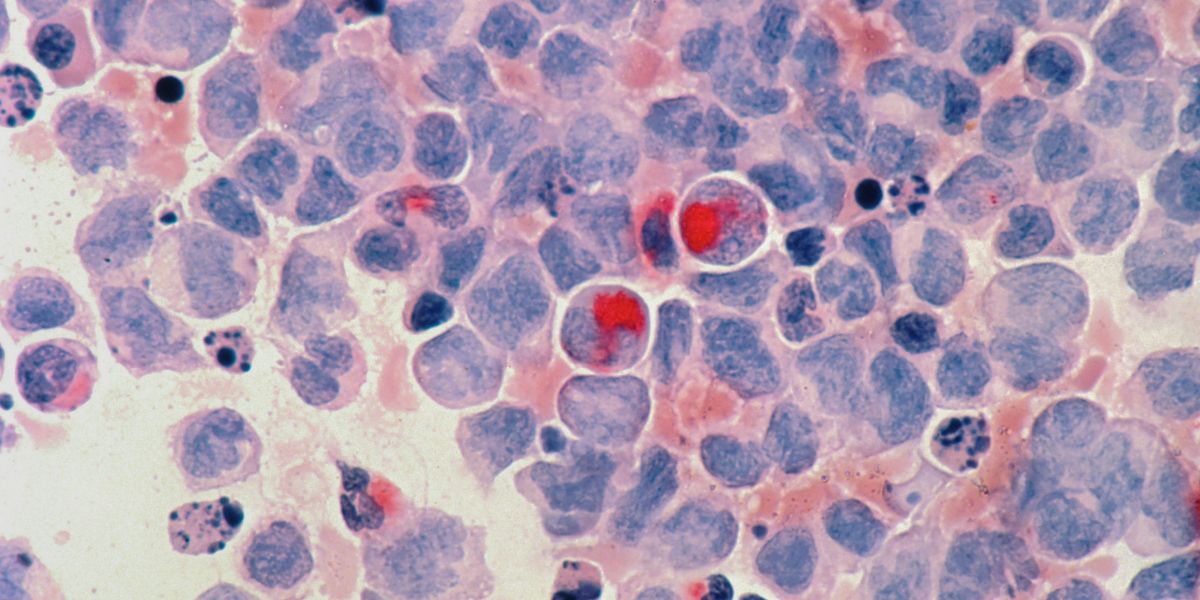

Have you ever stopped to consider the structures that form the building blocks of life? Cells are the fundamental units of all living organisms, each with its own set of unique characteristics and functions.
This guide explores the diverse world of cells, highlighting their complexity and importance. It also shares tips for maintaining healthy cells, possibly with the aid of supplements like a C15 supplement.
What Are Cells?
First, it’s important to understand the concept of what cells are. Cells are the basic structural and functional units of all living things. They carry out vital processes necessary for life, like obtaining energy, synthesizing proteins, and replicating genetic material.
Without cells, life as you know it would cease to exist. In your search for optimal cellular vitality, supplements with nutrients like C15 fatty acid can lend a hand, potentially supporting cellular health and function.
What Are Prokaryotic Cells?
Prokaryotic cells are the unsung heroes of the cellular world, existing as bacteria and archaea. Unlike their more complex counterparts, prokaryotic cells lack a true nucleus and membrane-bound organelles.
Instead, their genetic material floats freely within the cell. Despite their simplicity, prokaryotic cells are incredibly efficient and diverse, thriving in various bodily environments. They play essential roles in processes like nutrient cycling and symbiotic relationships with other organisms.
What Are Eukaryotic Cells?
Transitioning away from the simplicity of prokaryotic cells, you’ll next encounter the complexity of eukaryotic cells. Eukaryotic cells are found in plants, animals, fungi, and protists, showcasing a higher level of organization and specialization.
These cells boast a defined nucleus that houses genetic material, along with various membrane-bound organelles like mitochondria, endoplasmic reticulum, and the Golgi apparatus. Eukaryotic cells are bustling cellular cities, with each organelle serving a specific purpose to maintain the cell’s overall operation.
What Are Animal Cells?
Among the diverse array of eukaryotic cells, animal cells stand out as especially dynamic units. They’re known for their flexibility and mobility, which are essential for performing multiple functions in animal bodies.
From nerve cells transmitting electrical signals to muscle cells enabling movement, animal cells are the workhorses of multicellular organisms. They exhibit structures like lysosomes for waste disposal, centrioles for cell division, and a cell membrane with intricate proteins for communication and transport.
What Are Plant Cells?
Plant cells are unique in their ability to harness sunlight through a process called photosynthesis, converting light into chemical energy. These cells contain specialized organelles called chloroplasts, which house the green pigment chlorophyll responsible for capturing light.
Additionally, plant cells boast rigid cell walls composed of cellulose, providing structure and support to plants. Within plant cells, you’ll also find organelles like vacuoles for storage and maintaining turgor pressure, as well as plastids for synthesizing and storing pigments.
What Are Specialized Cells?
Specialized cells are unique in structure and function, designed to perform specific roles within the body. For instance, red blood cells are adept at transporting oxygen, while neurons excel in transmitting electrical signals in the nervous system.
These cells undergo differentiation, a process where they acquire specific features that enable them to carry out their designated tasks effectively. Specialized cells showcase the remarkable adaptability of multicellular bodies.
What Are Stem Cells?
Stem cells are the remarkable building blocks of life. Stem cells possess the extraordinary ability to self-renew and differentiate into various cell types. They support development, tissue repair, and regeneration.
Stem cells exist in embryonic and adult tissues and offer immense potential in medical research and therapies. Scientists and clinicians are actively harnessing stem cells’ regenerative properties to explore novel treatments for a wide range of conditions, which may lead to a future filled with innovative medical advancements.
What Are Cancer Cells?
Cancer cells deviate from normal cellular behavior, exhibiting uncontrolled growth and the ability to invade surrounding tissues. These malignant cells can form tumors and metastasize to distant parts of the body, posing a significant threat.
Recognizing the characteristics of cancer cells is crucial to developing effective treatments that target and eliminate them. Ongoing research aims to understand the ins and outs of cancer cells to devise personalized treatments and therapies.
Cellular Diversity: A Journey Through the Wonders of Life
From simple prokaryotic cells to complex eukaryotic cells — not to mention the specialized, stem, animal, and plant cells in between — each cell type offers a unique perspective on the wonders of life. Amid all these cells, it becomes apparent that maintaining your cellular health is vital to sustaining your overall well-being.
Exploring innovative supplements like C15 fatty acids may offer a potential avenue for supporting cellular vitality. Continue to explore the marvels of biology and unlock the mysteries that lie within the cellular world.