
By: Emily Rumball
When Jessica Fabus Cheng was told she had thyroid cancer, she was a mom to a toddler, an experienced registered nurse, and a woman who had built her identity around service and communication. When doctors shared that she might lose her voice, her whole world and perspective changed.
“It wasn’t just about speaking—it was about singing lullabies, telling bedtime stories, and being heard,” Jessica says.
The diagnosis was harrowing, but the aftermath—a permanent reduction in vocal function—seemed to become the unlikely spark that propelled her toward a purpose-driven career in advocacy, inclusion, and leadership.
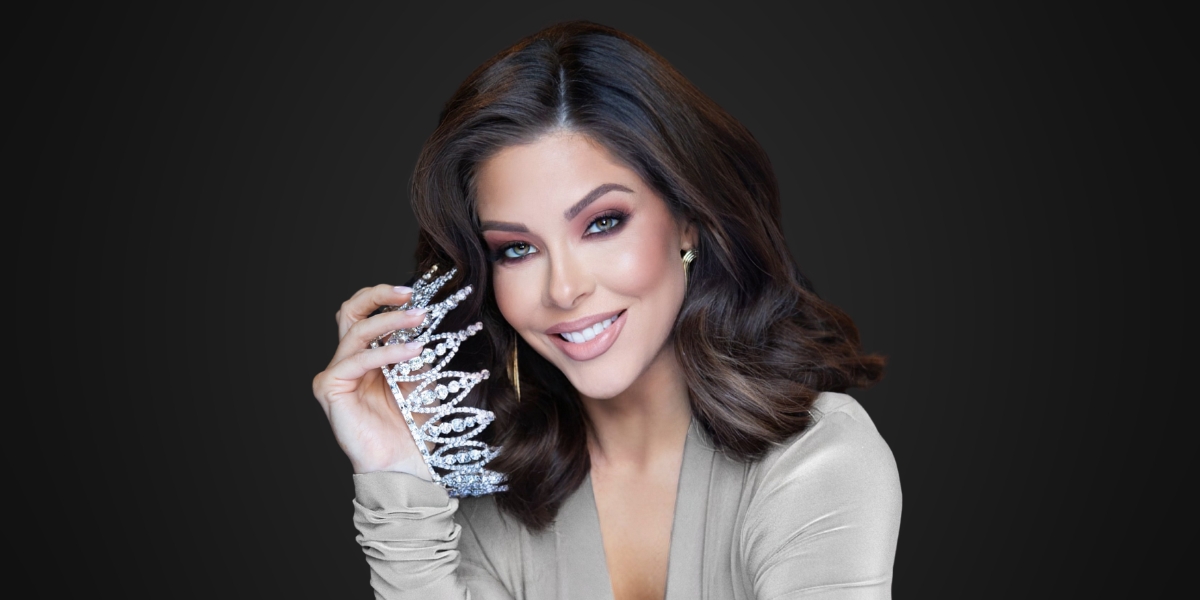
Today, Jessica is Mrs. DC International 2025, a podcast host, accessibility strategist, and founder of Accessibility in Action. With approximately 80% vocal function, she speaks with clarity and conviction, leading with boldness and heart.
From Nurturer to Advocate
Jessica’s path to advocacy didn’t begin with a business plan. It began with a profound and deeply personal defining moment.
Her cousin, diagnosed with Duchenne Muscular Dystrophy, tripped over a broken sidewalk outside a medical building at age 12. That fall made him a wheelchair user prematurely and opened Jessica’s eyes to how often inaccessibility goes unnoticed until it’s too late.
“I had already been working in healthcare, but that moment shifted something in me,” she recalls. “It wasn’t just about the diagnosis anymore. It was about the barriers. The ones you don’t see until they impact someone you love.”
That experience planted the seed. Her cancer diagnosis years later helped it grow, bringing her passion for accessibility into focus.
Leading With Empathy and Grit
Jessica describes her leadership style as relational but visionary—an uncommon yet impactful combination.
“I’m results-oriented, but the way I get results is by building deep connections,” she says. “Whether I’m training brands or raising a guide dog with my family, I’m always asking: How can we make this more human?”
The values driving her decisions are empathy, authenticity, and service. As a mom, a nurse, and a survivor, Jessica has worn many hats, and each has shaped the lens through which she leads.
“My strength as a leader isn’t despite my personal challenges. It’s deeply influenced by them,” she says.
But leadership is a constant evolution. Lately, she’s focused on learning how to scale her one-woman mission. “I’m great at vision. Now I’m working on building systems so I’m not the only engine,” she admits with a smile.
Building Accessibility In Action
Her signature offering, Turnkey Accessibility, helps creators and entrepreneurs build digital content that includes the 1 in 4 Americans with disabilities, many of whom are often left out of digital marketing.
It’s a free training, but the insights are highly valuable. From formatting hashtags properly for screen readers to using plain language and contrast in design, Jessica’s practical tips have made accessibility more approachable for many.
And it’s making a difference.
“I remember speaking to a group of visual artists,” she says. “When they realized that blind and low-vision creators are on Instagram, creating art, they were surprised. They had never considered how image descriptions could connect them to a whole new audience.”
Jessica doesn’t just teach awareness. Her approach, the Triple A Framework—Awareness, Allyship, and Action—helps close the gap between knowing better and doing better.
“People often get stuck between awareness and action. Allyship is what moves them forward. It’s the personal connection that makes the strategy stick.”
The Next Era of Inclusive Brands
Jessica’s vision for the next decade is ambitious, much like the pageant crown she wears: to help make accessibility a non-negotiable in business.
“Accessibility could become the new brand credibility,” she says. “If your site, content, or social media isn’t inclusive, you’re not just being exclusive—you’re potentially overlooking a significant audience.”
Her eyes are set on partnerships with platforms like Canva or Instagram to make accessibility features native to content creation. She’s also exploring ways to integrate her training in entrepreneurship programs and hopes to develop a podcast network that highlights disabled voices in media and leadership.
And the opportunity is substantial: over $13 trillion in global buying power comes from people with disabilities and their families. Yet many businesses are still learning how to meaningfully engage them.
“That’s a significant business blind spot,” Jessica says. “And we can work to fix it.”
Impact That Echoes
When asked what she’s most proud of as a CEO, her answer is immediate: “It’s the look people get when they finally see what’s been invisible. That moment when they realize, ‘I can do something about this.’ That’s real impact.”
Her influence isn’t confined to the boardroom or microphone. It lives in the culture she’s shaping through her family, too.
Jessica, her husband Dan, and their five-year-old daughter Coco are raising a guide dog through the Guide Dog Foundation. “It’s hands-on allyship,” she says. “It teaches Coco compassion and reminds all of us that inclusion is a lifestyle, not just a strategy.”
Beyond the Crown
When Jessica isn’t training a future service dog, testifying on Capitol Hill, or podcasting, she’s recharging in her own quiet way.
“My advocacy is built on personal storytelling, so I have to protect my voice—literally,” she says. That means scheduling breaks between calls, protecting her rest, and spending intentional time with her family.
Motherhood fuels her mission, too. “I think of the mom raising a daughter with a disability, watching me speak, and feeling less alone. That’s who I’m fighting for.”
And what would she tell an aspiring CEO?
“You don’t have to be the loudest in the room—you just need to be heard by the people who matter. Lead with your truth.”
Jessica Fabus Cheng didn’t set out to become an advocate. Advocacy found her—through heartbreak, through illness, through motherhood. And now, she’s turning it into a platform, a movement, and a legacy.
Her voice may be softer than it once was.
But her message?
It’s resonating more powerfully than ever.
Published by Joseph T.