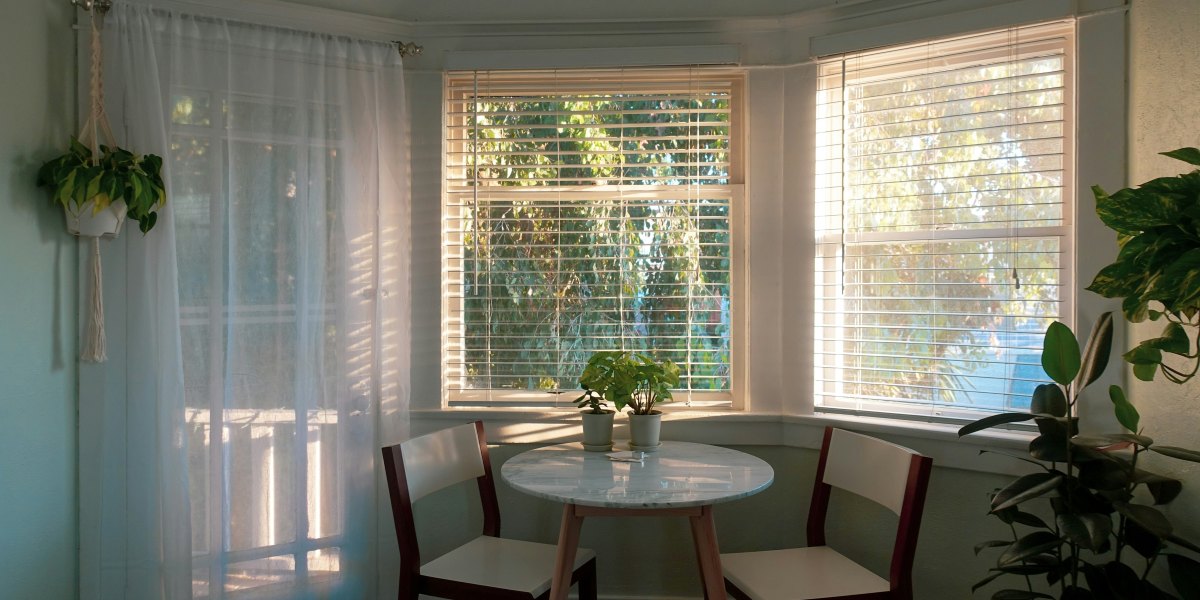

Window blinds add texture to your home without compromising energy efficiency. Certain textures create an insulating barrier which keeps it warmer during the winter and cooler in summer.
Light-colored treatments reflect sunlight and reduce heat gain, making them an excellent choice for hot climates. You can further boost their energy efficiency by programming blinds to close at peak sunlight hours.
1. Improved Insulation
An energy-efficient home reduces fossil fuel consumption and greenhouse emissions, saving money and resources over time. Window treatments can significantly enhance home insulation, helping save on energy costs throughout the year.
Curtains and drapes with thicker material help block heat during summer days while providing additional insulation during the cold months. Blackout curtains can also reduce solar heat gain for an ideal indoor temperature environment.
Insulated blinds are another great choice, featuring fabric layers sandwiched between multiple layers of high-density foam for insulation purposes and reduced air movement. Available as single or double-cell configurations in many colors, fabrics, and weaves – this window shade solution adds warmth without the cold glare!
Roller and Roman shades offer affordable solutions, featuring adjustable slats that provide up to an R-value of 1. For higher R-value insulation, consider investing in a cellular shade that can easily open or close by sliding along tracks installed inside your window frame for ease of use.
2. Reduced Noise
Numerous homeowners are taking steps to increase the energy efficiency of their homes, from smart appliances and solar panels on the roof to making more minor upgrades that have an immediate effect. While these changes might initially seem technical, minor upgrades can dramatically cut energy consumption costs.
Window blinds may often go underappreciated regarding energy cost reduction, yet they’re an invaluable way to start. By keeping your house cooler during summer and warmer during winter months, blinds can help lower utility expenses year round, and help cut utility costs significantly.
Thick insulating curtains block out sunlight to reduce heat gain and help maintain comfortable temperatures, while honeycomb-shaped cellular shades trap air to help prevent energy loss. Awnings shade windows from direct sunlight while protecting them from UV rays. When selecting energy-efficient window treatments, it is essential to consider both climate conditions and aesthetic preferences.
3. Increased Privacy
Blinds and curtains can be an efficient energy-saving measure when used correctly. Be sure they fit snugly against their frame to minimize gaps where air could escape, and consider adding insulation material such as linings to keep them thicker for reduced thermal transfer, keeping your home cooler during summer and warmer during winter.
Window blinds help reduce solar heat gain by blocking sunlight and glare and protecting furniture, flooring, artwork, and other valuable items from sun damage. When closed, window blinds reduce solar heat gain while providing sun protection to minimize sunburn damage to these items.
Blackout blinds differ from other window coverings by blocking heat transfer inside and outside the house, helping keep living spaces cool without overworking air conditioning units. Furthermore, smart window blinds can further improve energy efficiency with their integration into smart home systems so they can be controlled using apps or voice commands from within your home.
4. Increased Value
Home improvement upgrades that increase value often include kitchen remodels and flooring upgrades; however, window blinds can also effectively contribute to energy efficiency in a home.
Every type of window treatment can help reduce heat transfer, helping keep warm air inside your home and keeping cold air at bay during winter. Some window coverings are more efficient than others in doing this job.
Curtains of thick insulating fabric like cotton or linen can provide significant aid. High-performance cellular shades can also be invaluable, trapping air with honeycomb-shaped pockets to increase insulation.
Smart blinds go even further by synching with your home’s lighting and temperature controls to give you complete control. Set the perfect temperature for the day while having smart blinds open or close automatically according to their settings.
In conclusion, window blinds offer a simple yet effective way to enhance your home’s energy efficiency. The benefits are numerous, from improved insulation and reduced noise to increased privacy and added value. By carefully considering the type of blinds, their material, and how they are used, homeowners can significantly reduce energy consumption and create a more comfortable living environment.
Beyond windows, remember that energy efficiency extends to other openings in your home as well. Upgrading entry doors, for example, can further contribute to a well-insulated and energy-saving home. But just how much do these energy-saving upgrades cost? Budget is a key factor in any home improvement project, and understanding the costs associated with new entry doors is crucial. For those considering this upgrade, researching “How Much Dо Entry Doors Cost іn Canada?” will provide valuable insights into budgeting for this vital home improvement that boosts energy efficiency and curb appeal.
Published by Stephanie M.