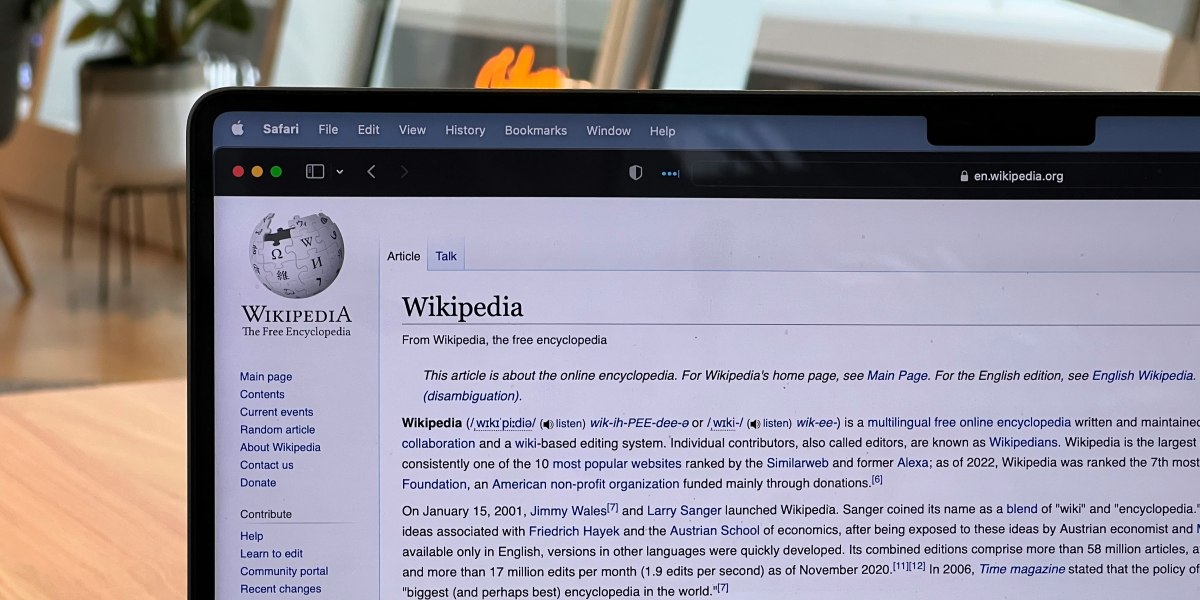

Notability is the foundation of a successful Wikipedia page. To qualify, an individual or company must have received substantial coverage from reliable, independent sources. This means more than just a brief mention—in-depth articles should discuss their contributions, achievements, or influence in a meaningful way.
Reliable sources play a crucial role in establishing notability. As per Wikipedia guidelines, these sources should come from reputable publications with strong editorial standards, such as newspapers, magazines, and academic journals. Articles must provide comprehensive coverage rather than just a passing reference. If sufficient sources are lacking, addressing this gap becomes essential.
According to Pierre Zarokian, a top Wikipedia editor on Upwork:
“Based on my experience, Wikipedia administrators have varying standards for notability. While some may consider three well-researched, in-depth articles sufficient, others may require between five and ten. Furthermore, the publication’s reputation is crucial—articles from highly respected media outlets carry greater significance.”
This inconsistency among Wikipedia editors underscores the importance of thorough research when preparing to create a page.
Articles That Strengthen Notability
Having the correct type of coverage is essential for demonstrating notability. Feature stories and biographies in established publications provide valuable insights into an individual’s or company’s impact. Articles with expert analysis, detailed profiles, or in-depth reporting on accomplishments significantly enhance credibility.
Coverage in industry publications, trade journals, or financial news platforms can help establish notability for businesses. Additionally, articles highlighting awards, achievements, or community impact contribute to demonstrating influence. The key is ensuring the subject is presented within a broader context, reinforcing their relevance in their field.
Coverage That Won’t Help Notability
Not all types of coverage contribute to Wikipedia’s notability. Content such as interviews (whether in publications, podcasts, TV, or YouTube), blog posts, press releases, self-published materials, or social media mentions are generally unreliable. These sources lack the independent verification required for Wikipedia pages.
Similarly, promotional articles or content written by the individual or company can be seen as biased and may not be accepted. Wikipedia prioritizes neutrality, and overly promotional content can undermine credibility. Additionally, coverage from vanity publications or non-reputable websites can weaken efforts to establish notability. Opinion pieces or personal anecdotes also typically fail to meet Wikipedia’s standards.
Preparing for Wikipedia Page Creation
Before creating a Wikipedia page, conducting thorough research is essential. Start by gathering articles highlighting the individual’s or company’s accomplishments, ensuring they come from reputable sources. Keep a record of URLs, publication names, and publication dates, as these will be needed for citations.
Consulting experienced Wikipedia editors, such as Pierre Zarokian, can be invaluable. Their expertise can help navigate the complexities of Wikipedia’s guidelines. Additionally, reviewing existing Wikipedia pages of similar subjects can provide insight into their structure and sources, offering a blueprint for your page.
Maintaining a Neutral Point of View
One of the most critical aspects of Wikipedia page creation is maintaining neutrality. Content should be factual, objective, and free from promotional language. Wikipedia is a collaborative encyclopedia that values impartiality, so avoiding exaggerated claims is crucial.
For example, instead of stating that someone “revolutionized the industry,” a more neutral phrasing would be “made significant contributions to the industry.” Careful wording helps maintain credibility and aligns with Wikipedia’s standards.
Including diverse perspectives can further enhance neutrality. When applicable, mentioning achievements and controversies or criticisms ensures a well-rounded view. This approach strengthens credibility and aligns with Wikipedia’s commitment to balanced, verifiable content.
Citations and References: Ensuring Credibility
Citations are the backbone of a Wikipedia page’s credibility. Proper referencing helps verify claims and maintain the accuracy of information. Wikipedia relies on verifiable facts, and inline citations ensure that external sources can support statements.
When selecting sources, prioritize those with authority in the subject matter. Books, academic journals, established newspapers, and authoritative websites carry more weight. Each citation should follow Wikipedia’s formatting guidelines to ensure clarity and consistency, especially when discussing sensitive or significant topics.
Engaging with the Wikipedia Community
Before creating a Wikipedia page, it helps to engage with the Wikipedia community in their help forums. Understanding the platform’s norms and practices can be beneficial. Participating in discussions on related topics, contributing to other pages, and collaborating with experienced editors can provide valuable insights.
An effective strategy is to contribute to existing Wikipedia articles related to your subject before submitting a new page. This demonstrates familiarity with Wikipedia’s standards and increases the likelihood of a positive reception for your page.
Navigating the Path to Notability
Creating a Wikipedia page requires meeting strict notability, neutrality, and credible sourcing criteria. By securing strong media coverage, maintaining an unbiased tone, and engaging with the Wikipedia community, you can establish a solid foundation for a successful page.
Ultimately, achieving notability on Wikipedia requires patience, meticulous research, and strategic planning. With the right approach, building a reputable Wikipedia presence is possible.
Significant coverage in respected publications is essential for qualifying for a Wikipedia page. If adequate media coverage is lacking, it may be necessary to wait until it is secured or work with a PR expert like Pierre Zarokian, who specializes in obtaining press and article placements.
Published by Joseph T.