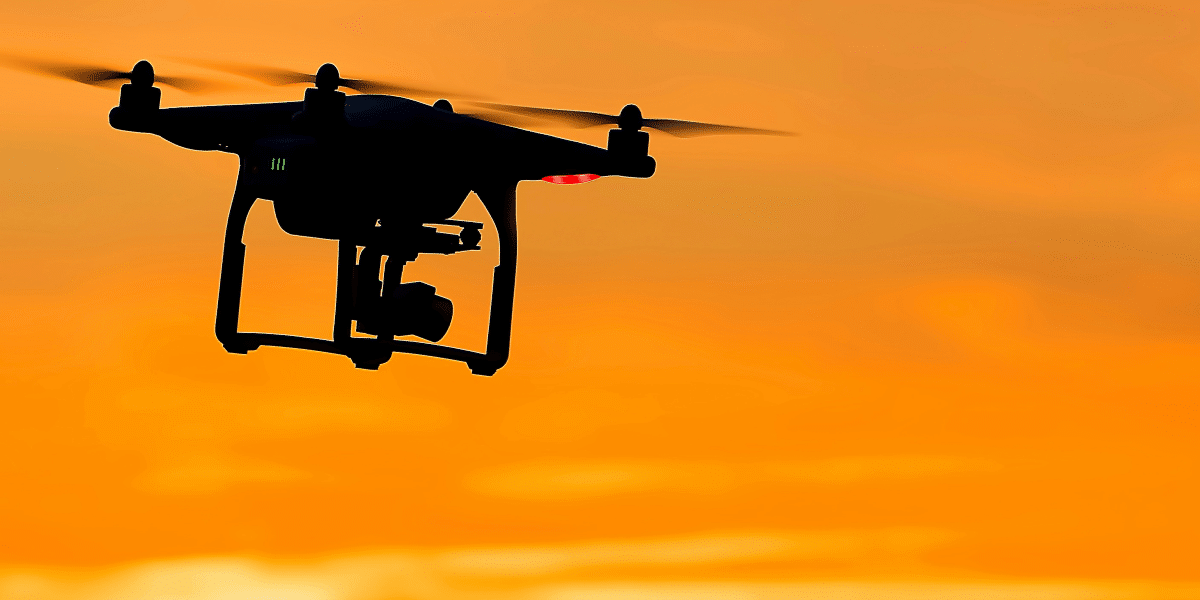

As drone technology continues to advance, the demand for efficient and long-lasting drone batteries is rapidly increasing. According to a recent report by Research Nester, the global drone battery market is poised for substantial growth, with projections showing it will expand from USD 9.58 billion in 2023 to USD 99.18 billion by 2036, driven by an increased need for drones across multiple industries such as defense, filmmaking, agriculture, and surveillance.
Premergy, a leader in advanced battery management technology, is well-positioned to capitalize on this growth with its innovative battery recharging solutions, which address some of the most pressing challenges in the drone industry.
Market Trends and Drivers
Per Research Nester’s statistics, the global drone battery market is expected to grow at a compound annual growth rate (CAGR) of 19.7% between 2024 and 2036. One of the primary factors driving this growth is the rising demand for drones in commercial applications, such as traffic monitoring, search and rescue missions, agricultural mapping, and security surveillance. As more industries turn to drones for fast, efficient, and cost-effective solutions, the need for more powerful, efficient, and durable batteries becomes increasingly critical.
The widespread use of lithium-ion batteries is particularly notable in the drone industry, given their high energy density and relatively lightweight design, which allows drones to carry out longer and more complex missions. Lithium-based batteries accounted for a significant portion of the market, with production reaching 300 gigawatt-hours in 2018. However, as drone applications continue to expand, the limitations of current battery technologies, such as shorter flight times and slow recharging cycles, remain significant challenges.

Premergy’s Role in Revolutionizing Drone Batteries
Premergy’s advanced battery management technology is designed to overcome these challenges by offering a more comprehensive solution for multi-chemistry battery management. With a focus on extending flight times, rapid recharging, and efficient thermal management, Premergy could be the key to unlocking the full potential of drone technology.
Extended Flight Times: One of the most significant limitations of current drone batteries is their limited flight time. As drones are increasingly used for longer missions, such as environmental monitoring, logistics, and even passenger transport, the ability to stay in the air longer is essential. Premergy’s battery systems use a multi-chemistry approach that enable drones to switch between different battery banks based on energy demand, thereby reducing battery stress and extending flight durations. This technology can help drones cover larger areas in a single mission, improving operational efficiency across industries.

Rapid Recharging: The downtime associated with recharging drones is a significant bottleneck in large-scale operations. For instance, in commercial delivery applications, drones often need to recharge after completing just a few deliveries. Premergy addresses this issue with its rapid recharging technology, which drastically reduces the time required for drones to recharge. While most lithium-ion batteries can take 30 to 45 minutes to recharge, Premergy’s system allows drones to return to operation in as little as 15 minutes. This rapid turnaround time could be particularly beneficial for industries that rely on high-frequency drone operations, such as emergency response and surveillance.
Thermal Management for Enhanced Safety: One of the key challenges in battery management is maintaining safe operating temperatures, especially in high-demand environments. Drones that operate for extended periods or carry heavy payloads are at risk of overheating, which can lead to reduced battery life or even safety hazards. Premergy’s battery technology incorporates advanced thermal management systems that ensure optimal operating temperatures, even under challenging conditions. This capability not only improves the safety and reliability of the drones but also extends the overall lifespan of the battery systems, reducing maintenance costs over time.
The Growing Importance of Smart Battery Technology
According to Research Nester, the drone battery market is also expected to benefit from advancements in smart battery technology, which is projected to further decrease the cost of battery packs to around USD 55/kWh by 2030. These cost reductions will make it more affordable for businesses and government agencies to adopt drone technology on a larger scale. Premergy’s approach to battery management aligns with these advancements, as their systems are designed to maximize efficiency, reduce energy waste, and optimize drone performance.

Conclusion: Premergy’s Impact on the Future of Drone Technology
As the drone battery market continues to expand, driven by increased demand across industries and advancements in battery technology, companies like Premergy are poised to play a crucial role in shaping the future of drone operations. With their innovative battery management systems, Premergy addresses some of the most critical challenges facing the drone industry today, including limited flight times, long recharging cycles, and safety concerns related to thermal management.
By enhancing the capabilities of drone batteries, Premergy’s multi chemistry battery charging technology could unlock new possibilities for drone applications, from long-range deliveries to extended surveillance missions and environmental monitoring. As the industry moves toward the projected USD 99.18 billion market by 2036, Premergy’s solutions will be essential for enabling the next generation of drones to operate more efficiently, safely, and sustainably.
Published By: Aize Perez