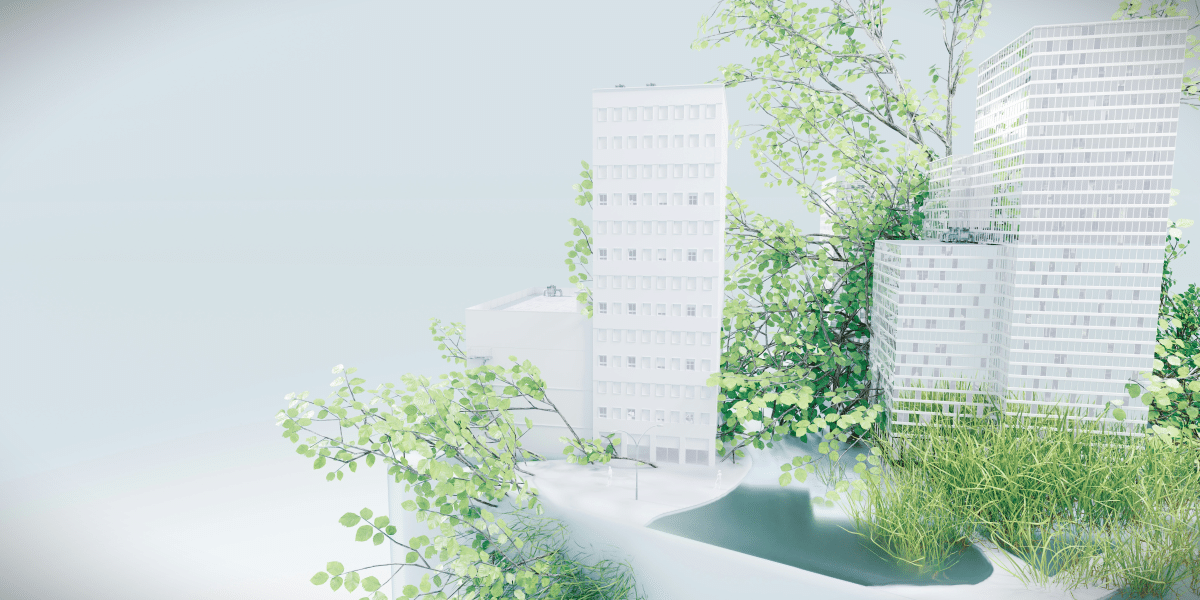

Sustainable design in public spaces is evolving into an essential component of urban development, driven by the need to address environmental degradation and enhance the quality of life for urban dwellers.
This shift towards eco-conscious planning incorporates various strategies, from the use of eco-friendly materials and energy-efficient technologies to community engagement and the adoption of green policies. These practices help mitigate the impacts of urbanization and promote economic savings and social well-being.
A Alberto Lugo knows that as cities expand, integrating these environmentally sustainable and socially inclusive strategies will be crucial for fostering resilient urban environments that are prepared for future challenges.
The Role of Environmental Consciousness in Public Space Design
Environmental consciousness is increasingly becoming a central aspect of urban planning and architecture. As cities grow and the impact of human activities on the environment becomes more pronounced, designing public spaces with sustainability in mind is beneficial and necessary. These designs aim to minimize environmental footprints by integrating eco-friendly materials and innovative construction methods that promote longevity and reduce waste.
The embracing of sustainable design in public spaces can significantly enhance ecological and human health. Parks, squares, and pedestrian zones designed with environmental consciousness help reduce urban heat, manage stormwater, and improve air quality. Urban green spaces serve aesthetic and recreational purposes and play crucial roles in the ecological networks within city environments.
Considering these benefits, it’s clear why integrating sustainability into the planning and design of public spaces is gaining momentum. By fostering ecosystems that support nature and people, cities can become more livable and resilient against the challenges of urbanization and climate change.
Essential Principles of Eco-Friendly Design
Eco-friendly design in public spaces is grounded in using sustainable materials and implementing energy-efficient strategies. These materials, sourced responsibly, reduce environmental degradation and promote resource conservation.
Energy efficiency, meanwhile, is achieved through the thoughtful placement of structures to maximize natural lighting and ventilation, significantly reducing electricity use. Together, these practices not only uphold environmental standards but also ensure economic savings in the long term.
Another cornerstone of sustainable design is water conservation. Techniques such as rainwater harvesting, drought-resistant plant species in landscaping, and efficient irrigation systems are crucial. These methods help mitigate the effects of water scarcity and reduce the overall ecological footprint of urban developments.
Innovations and Case Studies in Green Public Design
Innovating for sustainability has led to the emergence of cutting-edge materials and technologies in public space design. Biodegradable composites, recycled plastics, and permeable pavements are now more commonly used, reflecting a shift towards materials that support ecological balance and reduce waste.
Advanced building techniques, including modular construction and 3D printing with sustainable materials, are also on the rise. These techniques streamline construction processes and minimize environmental impact.
Cities around the globe are showcasing how these technologies and design principles can be implemented effectively. Urban centers are transforming with the creation of green roofs, vertical gardens, and energy-efficient lighting systems, setting benchmarks for others to follow. These projects exemplify innovative design and demonstrate the tangible benefits of integrating sustainability into urban planning. By observing these successes, other regions can be inspired to adopt similar practices, enhancing sustainability on a broader scale.
Community Engagement in Designing Public Spaces
The success of public space design often hinges on the extent of community involvement. Engaging residents in the design process ensures that the final product meets their needs and fosters a sense of ownership and responsibility for maintaining these spaces.
When communities are involved from the outset, the solutions developed are more likely to be embraced and sustained.
Challenges and Future Directions in Green Public Space Design
Navigating the challenges of green public space design requires addressing both logistical and financial hurdles. The initial cost of implementing sustainable technologies and materials can be high, discouraging some stakeholders. Moreover, logistical challenges, such as integrating green spaces in densely built urban areas, demand innovative solutions and careful planning.
Despite these challenges, the future looks promising as more cities adopt policies incentivizing green development. The evolving regulatory landscape is expected further to propel the adoption of sustainable practices in urban design, shaping greener cities that cater to the needs of their growing populations.
Insights and Encouraging Sustainable Practices
Reflecting on the discussions, it’s evident that sustainable public space design is not merely a trend but a necessary evolution in urban planning. It encompasses a range of practices, from using eco-friendly materials to community involvement and overcoming significant challenges.
Moving forward, the continuous promotion of these practices is crucial. By advocating for policies that support sustainable development and raising public awareness about the benefits of eco-friendly design, we can ensure that sustainability becomes a cornerstone of all public space projects, leading to healthier, more resilient urban environments.
Published by: Khy Talara