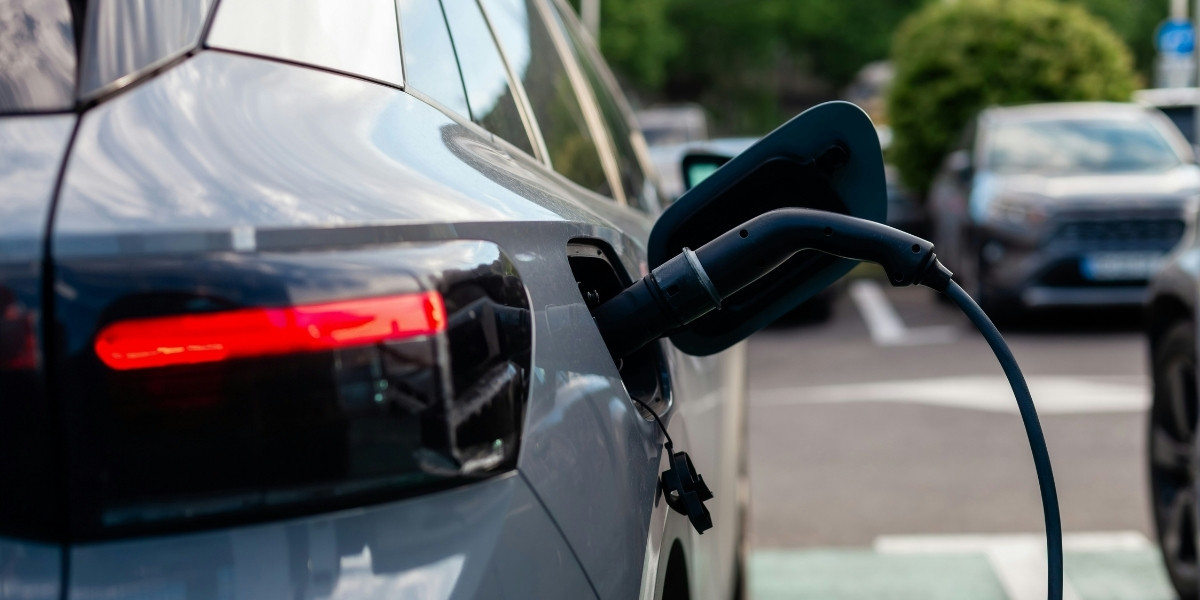

As the world moves more towards the use of electric vehicles, there is an increased need for reliable and efficient EV charging stations. Thus, both manufacturers of EV charging stations and EV charger manufacturers are important in this ecosystem which provides the necessary infrastructure and technology that supports the growing number of these cars on our roads. This article discusses how deploying EV charging stations can be complex as well as the role played by manufacturers in it and some strategic issues to be considered when implementing.
Technologies
Different types of electric vehicle charging solutions exist in the market designed to cater for specific consumer or business needs. These are developed by manufacturers who specialize in creating Level 1 chargers which are suitable for homes since they charge slowly, level 2 chargers used commercially to quickly charge batteries and DC fast chargers that require specialized designs therefore only bought from a few companies. For those looking to invest in EV infrastructure, understanding all these options is crucial.
Strategic Site Selection
The location choice for electric vehicle charging stations is based on several factors. Accessibility is one critical factor that determines success of installation while nearness to power sources and expected traffic volumes constitute others. Urban planners work together with property owners who are approached by EV charger manufacturers to show them spots where people park their vehicles most frequently so they will be visible and accessible enough.
Integration
Linking smart grids infrastructure with electric vehicle chargers becomes very essential because such measures manage excess energy consumption by electrical cars efficiently. The integration helps in improved energy management thus optimization of recharging during off-peak hours hence reducing pressure from overloading grid connection structure. Besides stabilizing grids, these intelligent ideas have been initiated by EV charging station manufacturers who want everyone to use clean energies even if their facilities benefit first.
Challenges
There are many challenges associated with building infrastructures that support charging points; installation costs are very high, there is a need to keep up with new technology and a lot of regulations must be followed. EV charger manufacturers should therefore develop innovative but cheap systems that blend well with fast changing technologies. Therefore local government authorities have to help to reach agreement on this issue as there are certain standards which they can only go against after acquiring all necessary permits.
Future Trends
The future should expect several exciting developments in electric vehicle charging due to the advancements in technology and changing consumer behaviors. Electric vehicle charging station manufacturers, together with EV charger manufacturers, are working towards incorporating such inventions into mainstreaming applications such as wireless charging or ultra-fast charging methods among others. These improvements will definitely have an impact on the way cars are charged in future making it more effective and widespread.
Deploying an electric vehicle charging station involves understanding the technologies available, strategic site selection, integration with smart grids, overcoming infrastructural challenges, and staying abreast of future trends. This has put EV charging station manufacturers and EV charger manufacturers at a privileged position within this sector that will shape the burgeoning EV market and facilitate sustainable transport platforms for days ahead .
In conclusion, successful deployment of electric vehicle charging systems demands strategic planning, advanced technologies and partnership between stakeholders. Manufacturers of EVCS are responsible for driving innovations and developing solutions that meet the emerging needs in this market segment; hence they support global transition towards cleaner transportation alternatives.
Published By: Aize Perez