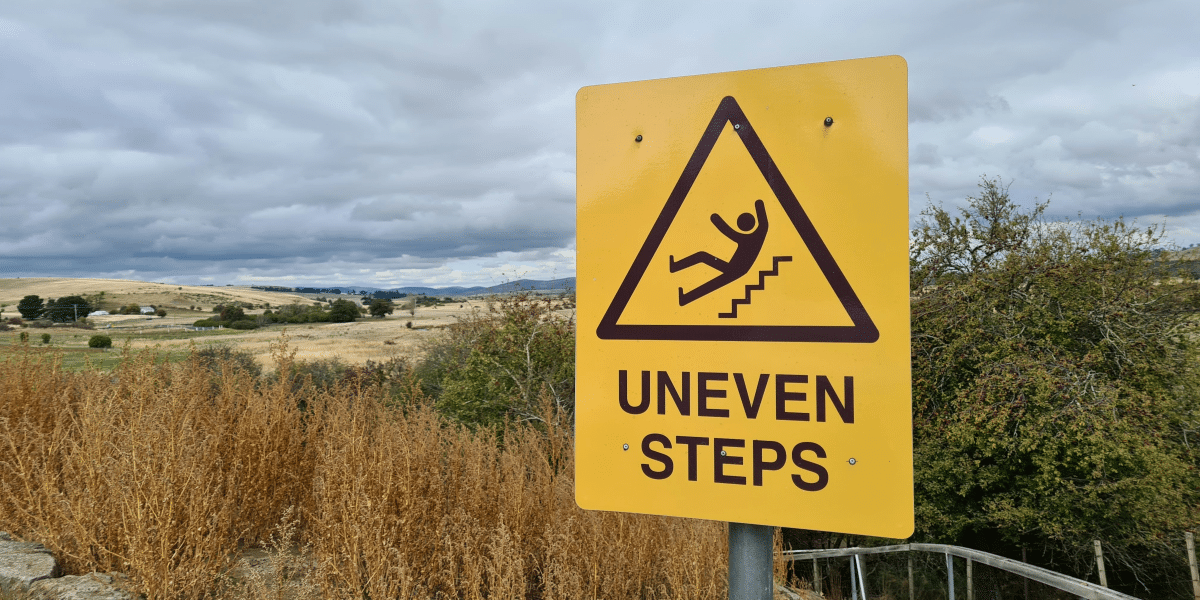

Imagine walking through a grocery store and suddenly slipping on a wet floor. That scenario brings us to the topic of premises liability. Premises liability is a legal concept that holds property owners responsible if someone gets injured on their property due to unsafe conditions. Understanding this can help you know your rights if you ever face such a situation.
You might wonder what negligence counts in these cases. Negligence means that the property owner did not show reasonable care in maintaining the safety of the premises. For instance, not putting up a wet floor sign after mopping could be negligence. Property owners must fulfill their duty of care to prevent accidents and injuries.
Personal injury cases related to premises liability can include a variety of situations. If you trip over a broken step, fall on ice that wasn’t cleared, or get hurt by faulty equipment, these all fall under premises liability. It’s vital to know that you have legal options if you end up injured because of someone else’s lack of reasonable care.
Understanding Premises Liability
Premises liability deals with the responsibility of property owners and occupiers to ensure their property is safe. Both private and business properties must follow these laws to avoid accidents and claims.
What is Premises Liability?
Premises liability is a legal concept that holds property owners and occupiers accountable for accidents on their property. The property owner may be held responsible if someone is injured because of unsafe conditions. This can apply to homeowners, landlords, store owners, and tenants alike.
Duties of Property Owners and Occupiers
Property owners and occupiers must keep their premises safe. This includes regular inspections, prompt repairs, and clear warnings about any dangers. For instance, if you own a store, you must ensure walkways are clear and spills are cleaned promptly.
For tenants, this duty might extend to their rented space. Landlords should maintain common areas, like stairwells and hallways, in safe conditions.
Types of Visitors and Their Rights
Visitors to a property can be classified into three main categories:
- Invitees: People invited onto the property for business reasons, like customers in a store.
- Licensees: Guests who are welcome for social reasons, such as friends visiting your home.
- Trespassers: People who enter without permission.
Invitees are owed the highest duty of care, while trespassers are owed the least.
Common Types of Premises Liability Cases
Many cases fall under premises liability laws, such as:
- Slip and falls: Often due to wet floors or icy sidewalks. An accident like this can lead you to seek assistance from a slip and fall lawyer.
- Dog bites: If a property owner fails to restrain a pet.
- Maintenance failures: Broken steps or poor lighting can cause injuries.
- Swimming pool accidents: Lack of proper barriers or supervision.
Understanding these categories and duties can help you recognize and address potential risks on your property.
Legal Actions and Compensation
Understanding your legal rights can be crucial when you face injuries due to unsafe conditions on someone else’s property. This section explores how to file a claim, factors that affect your case like comparative negligence, seeking different types of compensation, and the importance of statutes of limitations.
Filing a Premises Liability Claim
To start a premises liability claim, you must prove that the property owner was negligent. This means showing they didn’t maintain a safe environment. Evidence like photographs, witness statements, and medical records can support your case.
Hiring a personal injury lawyer can be very helpful. They can help navigate complex legal processes and deal with insurance companies. Preserving evidence early on is crucial for building a strong case. Discussing your options with an attorney ensures you take the right steps to protect your rights.
The Role of Comparative Negligence
Comparative negligence can significantly impact your claim. This principle means that your compensation may be reduced if you are partly at fault for your injuries. For example, if you were 20% responsible, your damages could be decreased by 20%.
States vary on how they handle comparative negligence. Some states won’t allow you to recover any compensation if you are more than 50% at fault. Personal injury attorneys can help you understand how these rules apply to your case.
Seeking Compensation for Damages
After establishing negligence, you can seek compensation for various damages. These include:
- Medical bills: Expenses related to your treatment.
- Pain and suffering: Compensation for physical and emotional distress.
- Lost wages: Income lost due to being unable to work.
- Wrongful death: If a loved one dies, families can seek compensation for their loss.
It’s important to document everything. Keep all your receipts and records. Insurance companies might challenge your claims, so thorough documentation helps support your case. Consult your lawyer to understand what you can claim and how to build a strong case.
Statutes of Limitations
Every legal claim has a deadline known as the statute of limitations. This is the timeframe within which you must file your claim. For premises liability, this period varies by state but generally ranges from one to three years.
Missing this deadline can bar you from recovering any compensation. It’s crucial to learn your specific deadline and act quickly. Consult a personal injury attorney early to ensure you meet all necessary deadlines and preserve your right to seek compensation.
Disclaimer: The content in this article is provided for general knowledge. It does not constitute legal advice, and readers should seek advice from qualified legal professionals regarding particular cases or situations.
Published by: Holy Minoza