
By: Floodprosusa
Understanding the different types of water damage is essential in Largo, FL, due to the region’s humid climate, which can exacerbate moisture problems. Water damage can occur from various sources, requiring specific approaches for effective restoration and prevention. Whether dealing with a clean water leak or severe black water contamination, knowing how to promptly identify and address these issues can protect your home and health. This guide will help you navigate the complexities of water damage, ensuring you can take the proper steps for each.
Clean Water Damage
Clean water damage originates from a clean water source. This includes broken water supply lines, malfunctioning appliances like dishwashers or washing machines, and rainwater. Clean water is considered safe for humans, but it can still cause significant damage to property if addressed slowly. Although less hazardous, clean water damage can lead to mold growth and structural issues if left untreated. Act quickly, remove standing water, and thoroughly dry affected areas to prevent further complications is crucial.
Gray Water Damage
Gray water damage involves water that is slightly contaminated and may cause discomfort or illness if ingested. This type of water can come from washing machines, dishwashers, or sump pump failures. Largo water damage restoration companies offer specialized services to handle gray water contamination. Gray water requires careful handling and cleaning to prevent the spread of bacteria and other contaminants. Professional restoration services can ensure that all affected areas are thoroughly sanitized and safe for use again.
Black Water Damage
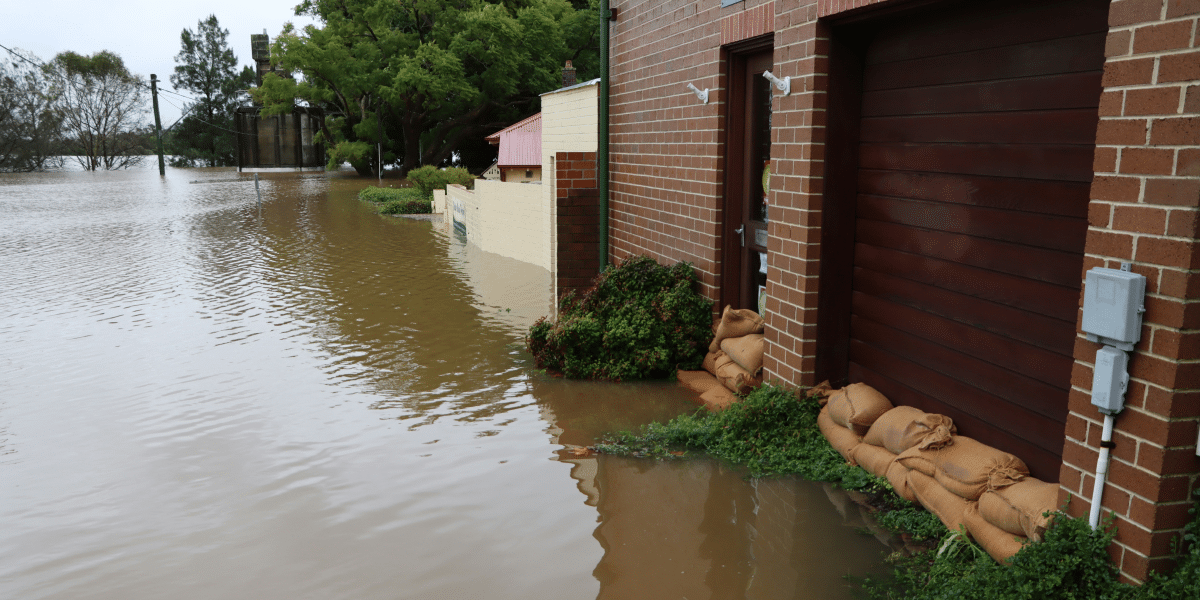
Black water damage is the severe type of water damage. It involves highly contaminated water containing harmful bacteria, viruses, and toxins. Sources of black water include sewage backups, floodwaters from rivers or streams, and seawater. Black water poses significant health risks and requires immediate professional intervention. Restoration experts use specialized equipment and protective gear to safely remove black water and thoroughly clean and disinfect affected areas. Due to the high contamination risk, untrained individuals should never handle black water damage.
Common Causes of Water Damage
Water damage can occur from various sources, each posing unique challenges. Common causes include plumbing leaks, appliance malfunctions, and weather-related events like heavy rain or flooding. Burst pipes, clogged gutters, and poor drainage systems are also frequent culprits. Understanding these common causes helps homeowners take preventative measures to minimize the risk of water damage. Regular maintenance, timely repairs, and proper home inspections can go a long way in preventing water-related disasters. Knowing what to look for and addressing potential issues early can save significant time and money in the long run.
Signs of Water Damage to Watch For
Detecting water damage early is key to preventing extensive repairs and health hazards. Common signs of water damage include discolored walls or ceilings, musty odors, and visible mold growth. Warped or buckling floors, peeling paint or wallpaper, and sudden spikes in water bills can also indicate hidden leaks. Pay attention to any changes in your home’s structure or appearance, as these can be early indicators of water damage. By recognizing these signs and addressing the issue promptly, you can prevent further damage and maintain a safe, healthy living environment.
Health Risks Associated with Water Damage
Water damage can pose serious health risks if not properly addressed. Standing water and moisture create an ideal environment for mold and mildew growth, which can lead to respiratory issues, allergies, and other health problems. Contaminated water from gray or black water sources can carry harmful pathogens, causing infections and illnesses. Long-term exposure to water damage can also weaken structural integrity, increasing the risk of accidents. To protect your health and safety, it is crucial to act quickly and seek professional help when dealing with water damage.
Preventing Water Damage in Your Home
Prevention is the right defense against water damage. Regular maintenance and inspections can help identify potential issues before they escalate. Check for leaks under sinks, around appliances, and in basements or crawl spaces. Ensure your home’s drainage system is functioning properly, and clean gutters regularly to prevent water buildup. Install water alarms and automatic shutoff valves to detect and stop leaks early. Additionally, consider waterproofing your basement and investing in a sump pump to handle excess water. Taking these preventative steps can help safeguard your home against costly water damage.
Immediate Steps to Take After Water Damage
Taking immediate action after discovering water damage can minimize the extent of the damage and reduce restoration costs. Start by shutting off the water source and turning off electricity to affected areas. Remove valuable items and furniture from the waterlogged space to prevent further damage. Use mops, towels, and wet/dry vacuums to remove as much water as possible. Open windows and doors to promote airflow and speed up the drying process. Contact a professional water damage restoration company to assess the situation and begin the restoration process promptly.
The Role of Professional Water Damage Restoration
Professional water damage restoration services play a crucial role in effectively addressing and mitigating water damage. Trained technicians have the expertise, equipment, and techniques to handle all types of water damage safely and efficiently. They can accurately assess the extent of the damage, identify hidden moisture, and implement the effective restoration strategies. Professional services also include thorough cleaning, sanitization, and mold remediation, ensuring your home is safe and habitable. Relying on professionals for water damage restoration provides peace of mind and ensures the possible outcome for your property.
The Importance of Water Damage Insurance
Having water damage insurance can provide valuable financial protection in the event of unexpected water damage. Standard homeowners insurance policies cover certain types of water damage, but it is essential to understand the specifics of your coverage. Review your policy to know what is included and consider additional coverage for areas prone to flooding or severe weather. Documenting the damage and keeping records of repair costs can help with the insurance claim process. Ensuring you have adequate water damage insurance can ease the financial burden and help you recover more quickly from water-related incidents.
Summary
Understanding the different types of water damage is essential for effective prevention, timely action, and successful restoration. By recognizing the causes and signs of water damage, taking preventative measures, and knowing when to seek professional help, homeowners can protect their property and health. Regular maintenance, proper insurance coverage, and immediate response to water damage can significantly reduce the impact and costs associated with these incidents. Armed with this knowledge, you can confidently address water damage issues and maintain a safe, healthy, and beautiful home.
Published by: Holy Minoza