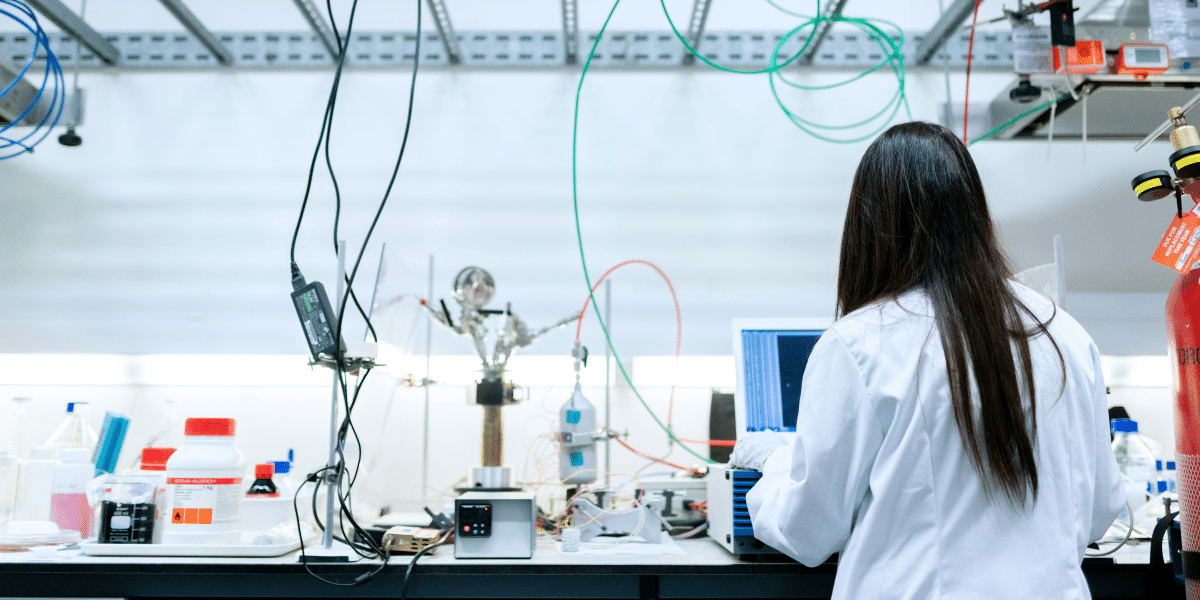

Scientific research is critical to progress. It is how we determine the causes of ailments, test cures and treatments, and develop new devices and drugs. These things are essential but require funding, time, and labs. Labs are workplaces that house researchers and all of the tools that they need to innovate. While different labs may require different types of equipment to achieve their desired endpoints, all of them share the requirement of needing high-quality equipment. Read the following tricks for upgrading your science lab without breaking your budget.
Select the Right Countertops
Countertops are a main feature in labs. They make up the majority of the surface space and are the site of much of the testing done in labs. This means that choosing the right type of countertop is important to the overall functionality of the lab. They should be easy to clean and resistant to stains and water. Also, consider what chemicals and temperatures the surface will be exposed to regularly.
Think About Cabinet Selections
Right along with the countertops are cabinets. Cabinets affect every part of the day in the lab. They set the height of the countertop, which affects your posture. They also provide crucial storage for the numerous items needed to run a lab. To select the right cabinet material, height, and depth, carefully consider the tasks performed throughout the day and the equipment used.
Don’t Forget About Seating
As you consider the cabinets, you will also want to think about the type of seating needed in your lab. Think about the height that will be required to align with cabinets and ensure good posture. There is significant research regarding ergonomics in the workplace that can help you determine the appropriate seating.
Consider the Water Sources
Another crucial component of labs is sinks. Throughout the day in a lab, many items are used that need to be washed. These can include beakers, tubes, tweezers, etc. While autoclaves are often an option for sterilization, timely rinsing with water in a sink will still be necessary. Lab sinks should be deep and the material should be scratch-resistant. You will also want to consider eye wash stations as many chemicals will require these. The sink(s) and eye wash stations should be close to where testing will be done.
Research Fume Hoods
Fume hoods are a critical aspect of safety in the lab. Working with chemicals with known and unknown effects means that they need to be vented out and inhalation needs to be prevented. Controlling this ventilation also increases the purity of the air throughout the lab. Carefully consider the size, features, and quality of the hood(s) you purchase for your lab.
Design a Lab Plan
Designing your lab before ordering anything for it will save you money and increase the functionality of the space. Planning it out and discussing it means that you will know what should go where and what you need. It also means that what is ordered will meet the needs of the lab the first time.
Carefully considering these factors will ensure that your lab has all of the upgrades and equipment it needs. It will also save time in prep and clean up, as well as increase lab safety if designed with thought.
Published By: Aize Perez